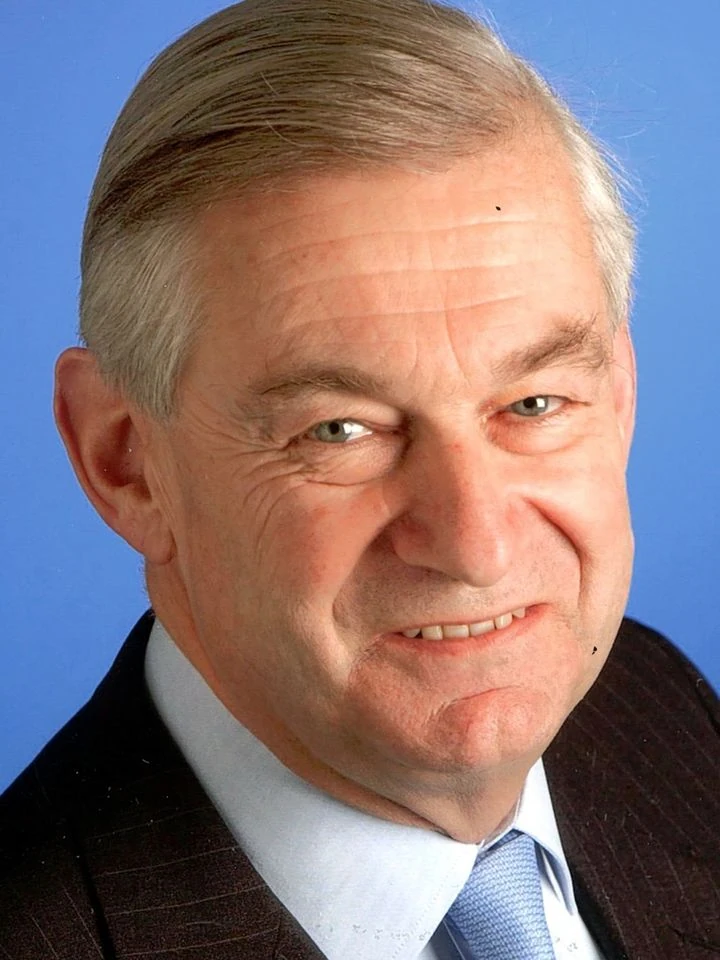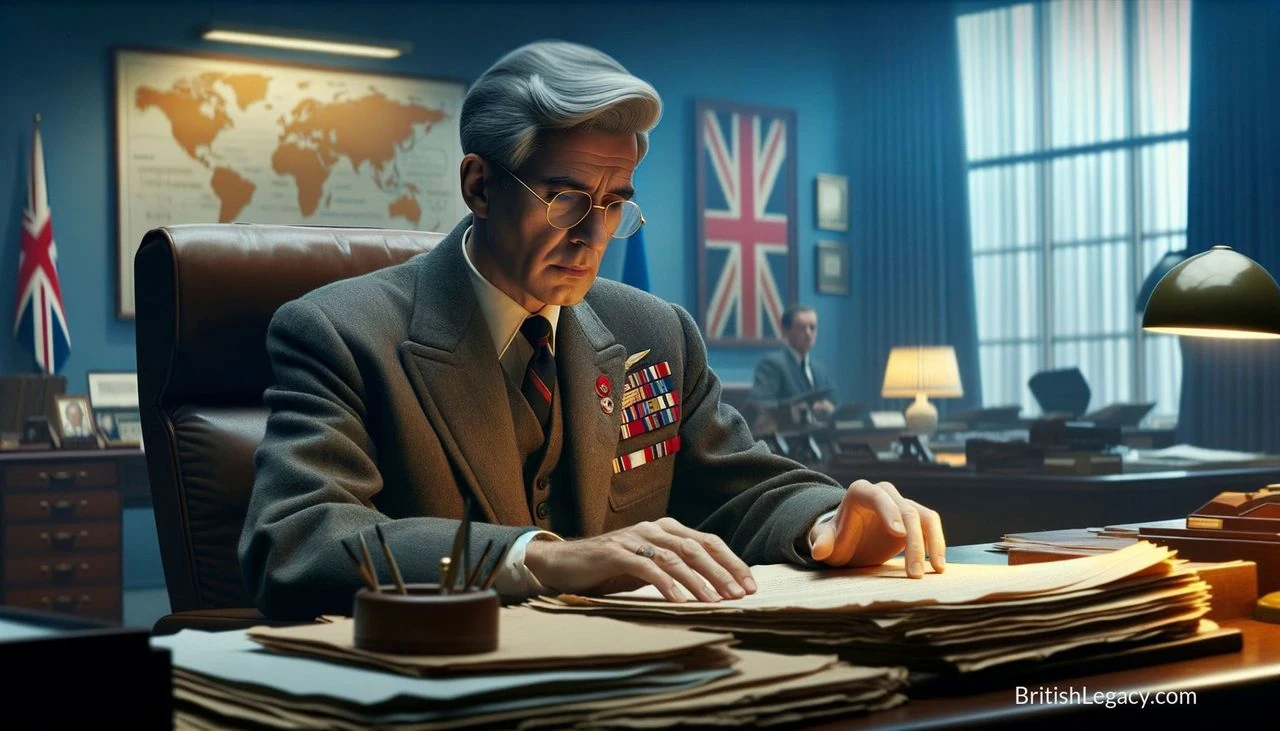
Sir Michael Alexander: A Diplomatic Luminary of the Cold War Era
In the annals of British diplomacy, Sir Michael Alexander stands as a towering figure, renowned for his deft handling of some of the most intricate and perilous issues during the fraught decades of the Cold War. His name might not be as ubiquitous as other historical giants, but his contributions to the British legacy are immense, with ripples that extended far beyond the shores of the United Kingdom, profoundly shaping global geopolitics.
Early Life and Ascendancy
Sir Michael Alexander was born into a period of immense global upheaval, which undoubtedly influenced his worldview and career path. He joined the British diplomatic service, quickly distinguishing himself with a sharp intellect, a nuanced understanding of international affairs, and an unyielding commitment to the principles of diplomacy.
Master of the Cold War Chessboard
The Cold War, a period marked by intense rivalry between the Western bloc led by the United States and its allies, including the United Kingdom, and the Eastern bloc led by the Soviet Union, was a time of potential and profound peril. The world stood on the precipice of nuclear annihilation, with the balance of power hanging by a thread. It was in this climate of tension and uncertainty that Sir Michael Alexander's abilities shone brightest.
Tackling Nuclear Defence
One of Sir Michael's most significant contributions was in the realm of nuclear defence. The spectre of nuclear warfare dominated the strategic calculations of the period, and it required diplomats of the highest calibre to navigate these treacherous waters. Sir Michael, with his exceptional understanding of both the technical and strategic aspects of nuclear deterrence, played a pivotal role in ensuring that the United Kingdom's posture remained both robust and responsible.
His work in this arena wasn't merely about safeguarding national security; it was about preventing the devastating consequences of nuclear conflict, an endeavour that had ramifications for the entire world. His efforts contributed to the delicate equilibrium of the time, which many historians believe avoided the outbreak of full-scale war.
Bridging the Transatlantic Divide
Sir Michael Alexander was also a key figure in fostering and sustaining Transatlantic relations. The bond between the United Kingdom and the United States, and by extension, NATO, was an essential element in the Western bloc's strategy during the Cold War. Sir Michael's diplomatic prowess was instrumental in ensuring that this relationship remained strong and effective.
His ability to navigate the often-complicated political landscapes of both nations, coupled with his deep understanding of international diplomacy, allowed him to act as an effective bridge between London and Washington. This not only bolstered Britain's strategic positioning but also contributed to the overall stability and security of the Western alliance.
Legacy and Recognition
Sir Michael Alexander’s intellect and effectiveness in diplomacy were widely recognised, earning him respect and admiration from colleagues and adversaries alike. His contributions extended beyond the Cold War era, leaving an indelible mark on the practice of diplomacy and international relations.
He has been the recipient of numerous honours, reflecting his sterling service and dedication. Among these, his knighthood stands as a testament to his significant contributions to British interests and global stability.
Wrap-Up
The story of Sir Michael Alexander is a testament to the power of effective diplomacy in shaping history. His work during one of the most turbulent periods of the 20th century, particularly in the areas of nuclear defence and Transatlantic relations, stands as a beacon of what can be achieved through intelligence, dedication, and an unwavering commitment to peace and security.
Sir Michael Alexander's legacy is not just encapsulated in the annals of British history but is also woven into the very fabric of global diplomacy. His contributions continue to inspire and inform the field to this day, ensuring that his impact on the British legacy endures, celebrated both at home and abroad.