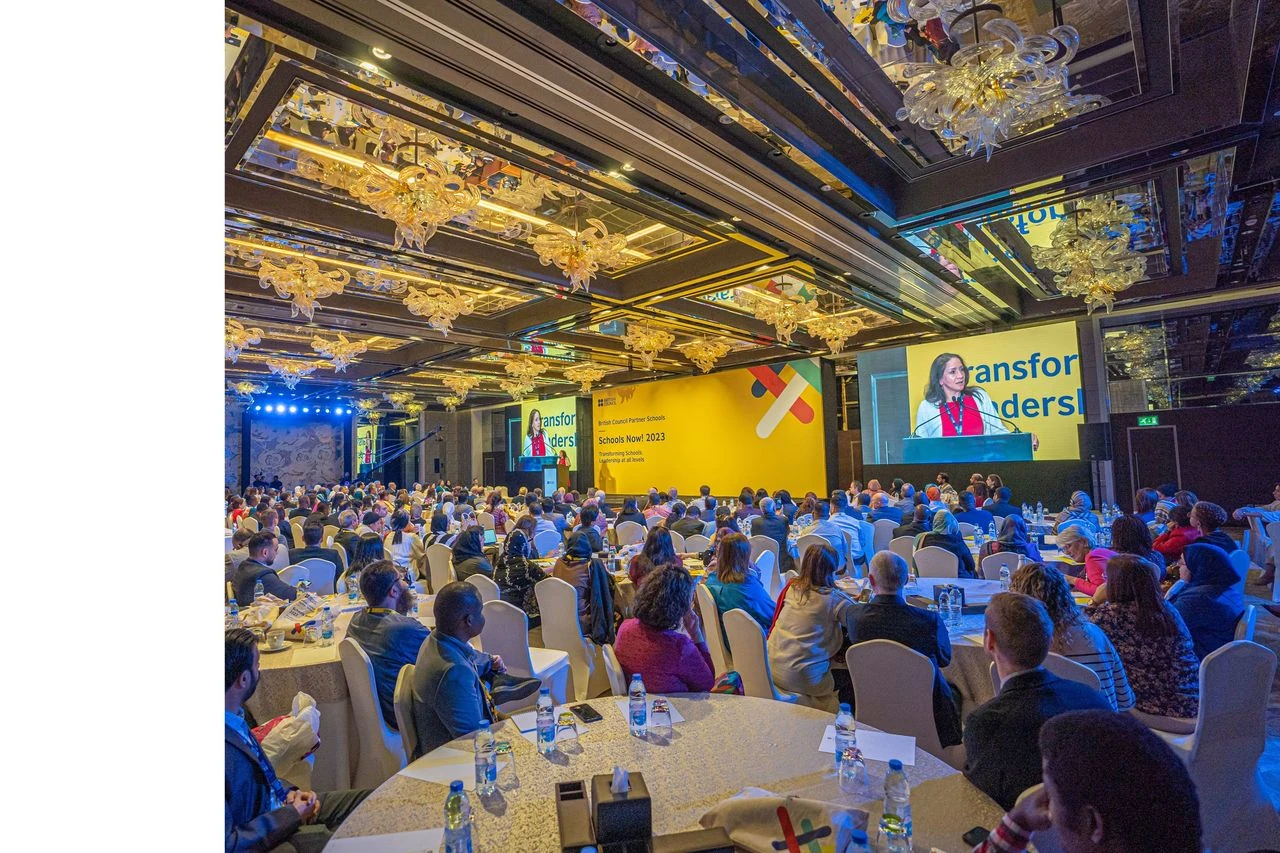
Founded in 1934, the British Council works to build connections between people in the UK and other countries through cultural relations and educational opportunities. Its activities range from promoting arts overseas to English-language teaching, examinations and community initiatives. Across these different areas, the organisation’s central work is creating opportunities for exchange and learning.
Sharing arts and culture
The Council promotes British arts abroad through festivals, exhibitions and performances in music, theatre, literature and visual arts. The British Council’s account names work with the Edinburgh International Festival and international Shakespeare celebrations as examples. These activities bring British creative work to audiences overseas and provide settings for cultural dialogue.
Cultural relations are not limited to presenting British work abroad. The Council describes its wider purpose as building connections and understanding between people in the UK and people elsewhere. Its cultural activity therefore sits alongside an emphasis on exchange: introducing audiences to British work while making space for encounters across cultures.
Language and education
English-language teaching and examination services form another part of the Council’s work. Its account includes IELTS among the examinations it offers and links language learning with access to further opportunities. It also describes collaboration with universities and educational institutions internationally, including academic exchanges and scholarships.
Chevening is cited as a scholarship programme supported by the British Council, enabling students from other countries to study in the UK. The Council’s account presents scholarships and institutional collaboration as part of a wider educational relationship, connecting study in Britain with links between people and institutions in different countries.
Community initiatives and international reach
The Council’s work also includes Active Citizens, an initiative described as encouraging community leaders to engage with social causes and dialogue. The organisation’s activities are associated with issues including climate change, gender equality and social entrepreneurship. Together with its arts and education programmes, this community work broadens its remit beyond cultural presentation and formal study.
The British Council is described as operating in more than 100 countries. Its international reach brings these strands of work—arts, education and community engagement—within one organisation. The account also points to digital collaboration as part of its future aspirations, although it gives no further detail about particular projects or results.
Why The British Council deserves a place in British Legacy
The British Council merits a place in British Legacy because it connects the UK with people and institutions in other countries through more than one channel. Its promotion of music, theatre, literature and visual arts gives British creative work an international audience, while the named festival and Shakespeare examples show how cultural activity can also create opportunities for dialogue. The Council’s work is not solely about presenting culture: its stated purpose includes building connections and understanding between people.
Education and community initiatives extend that role. English-language teaching and examinations, collaboration with educational institutions, scholarship support and Active Citizens represent distinct ways of encouraging learning and participation. The evidence available does not establish particular outcomes, but it does show the breadth of the Council’s stated remit and its international scope. That combination—cultural relations, education and community engagement—is the specific contribution that makes the organisation significant to Britain’s relationship with the wider world.