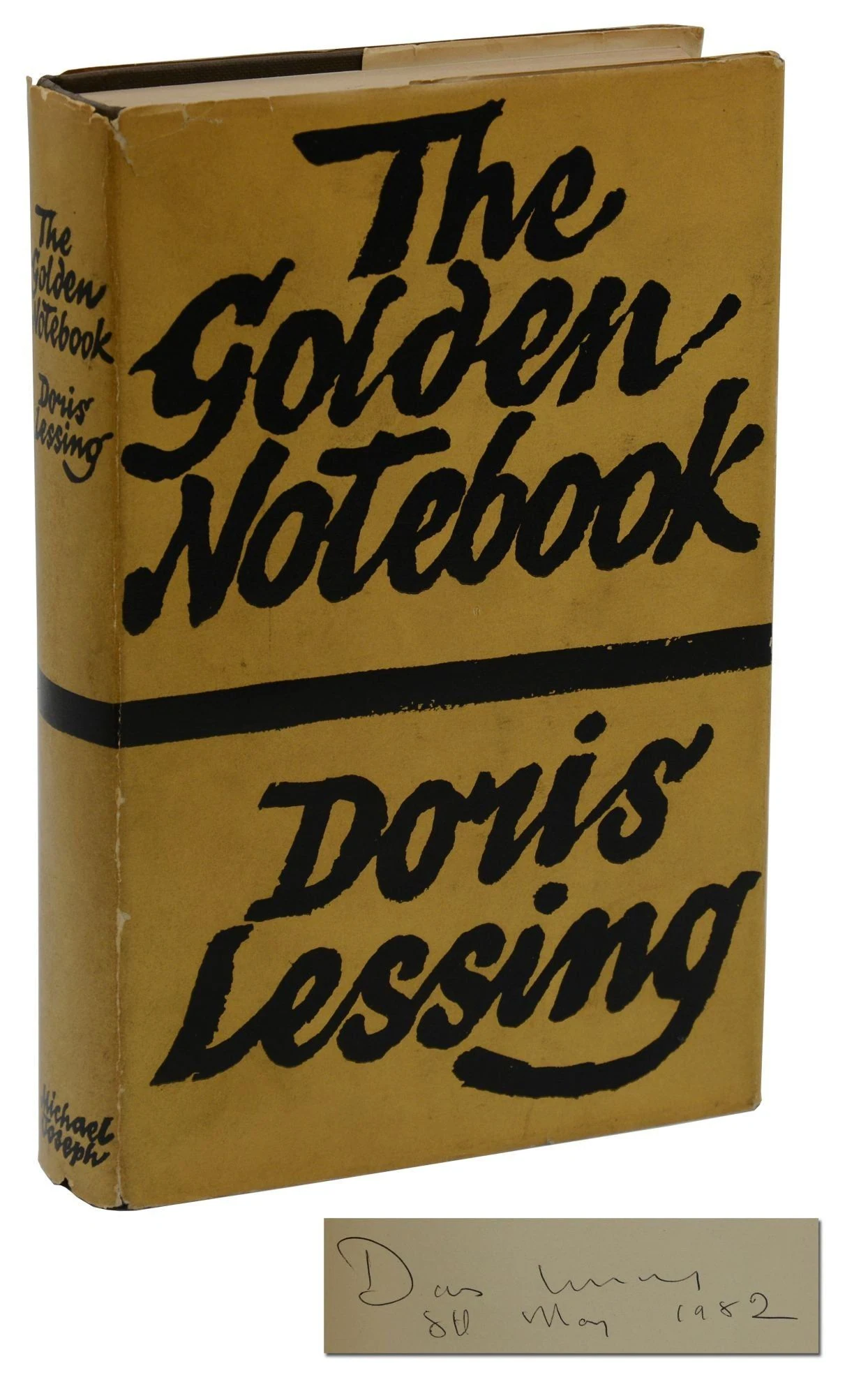
The Golden Notebook by Doris Lessing: An Icon of British Literary Heritage
Introduction
"The Golden Notebook" by Doris Lessing stands as a monumental piece in British literature. Revered for its intricate narrative and profound exploration of themes such as freedom, identity, and feminism, it has garnered global recognition since its publication in 1962. This article delves into the core elements that make "The Golden Notebook" an integral part of British literary legacy.
About the Author
Doris Lessing, born in Persia (now Iran) in 1919 and later moving to Zimbabwe (then Rhodesia), was a prolific British writer whose works often reflected her keen observations of society, politics, and personal struggle. Awarded the Nobel Prize in Literature in 2007, Lessing's contributions encapsulate the breadth and depth of human experience, making her one of the most respected literary voices of the 20th century.
Synopsis
"The Golden Notebook" chronicles the life of Anna Wulf, a writer who keeps four notebooks, each symbolising different facets of her life - her African experiences, her political views, her emotional life, and a personal diary. She grapples with her identity, creativity, and emotional breakdowns, eventually attempting to integrate these fragmented parts of herself into a "golden notebook."
Fragmented Narrative and Feminist Undertones
Lessing employs an unconventional, fragmented narrative to mirror Anna Wulf's disintegrated psyche. This structure not only highlights the complexity of the protagonist’s character but also challenges traditional storytelling, inviting readers to piece together the narrative puzzle. The novel examines the confines placed on women by society and their own psyches, prefiguring many themes central to second-wave feminism. It has been lauded as a feminist masterpiece by critics worldwide.
Writing and Success
Lessing wrote "The Golden Notebook" at a time when she was deeply engaged in the political and social upheavals of the mid-20th century. Combining elements of her own life and contemporary experiences, she sought to break from the conventions of genre and narrative form. Upon its release, the novel was met with both acclaim and controversy. Its unflinching portrayal of women’s inner lives and societal constraints struck a profound chord, making it a bestseller and a perennial subject of academic study.
Contribution to British Legacy
"The Golden Notebook" plays a crucial role in the British literary canon. Lessing’s fearless exploration of complex themes such as mental illness, gender politics, and creative struggle continues to inspire readers and writers worldwide. The novel’s innovative structure and rich thematic content challenge and expand the boundaries of fiction, making it an enduring and influential work.
Wrap-Up
Doris Lessing’s "The Golden Notebook" is more than just a novel; it is a pioneering work that has left an indelible mark on literature and society. Its legacy is reflected in its powerful themes, innovative narrative, and its role in advancing feminist thought. For those wishing to explore a touchstone of British literature, "The Golden Notebook" is indispensable reading.
Purchase Link
To own a copy of this transformative novel, you can purchase "The Golden Notebook" from Amazon UK.
In revisiting "The Golden Notebook," readers not only engage with a compelling story but also partake in a piece of British literary history that continues to resonate and inspire.