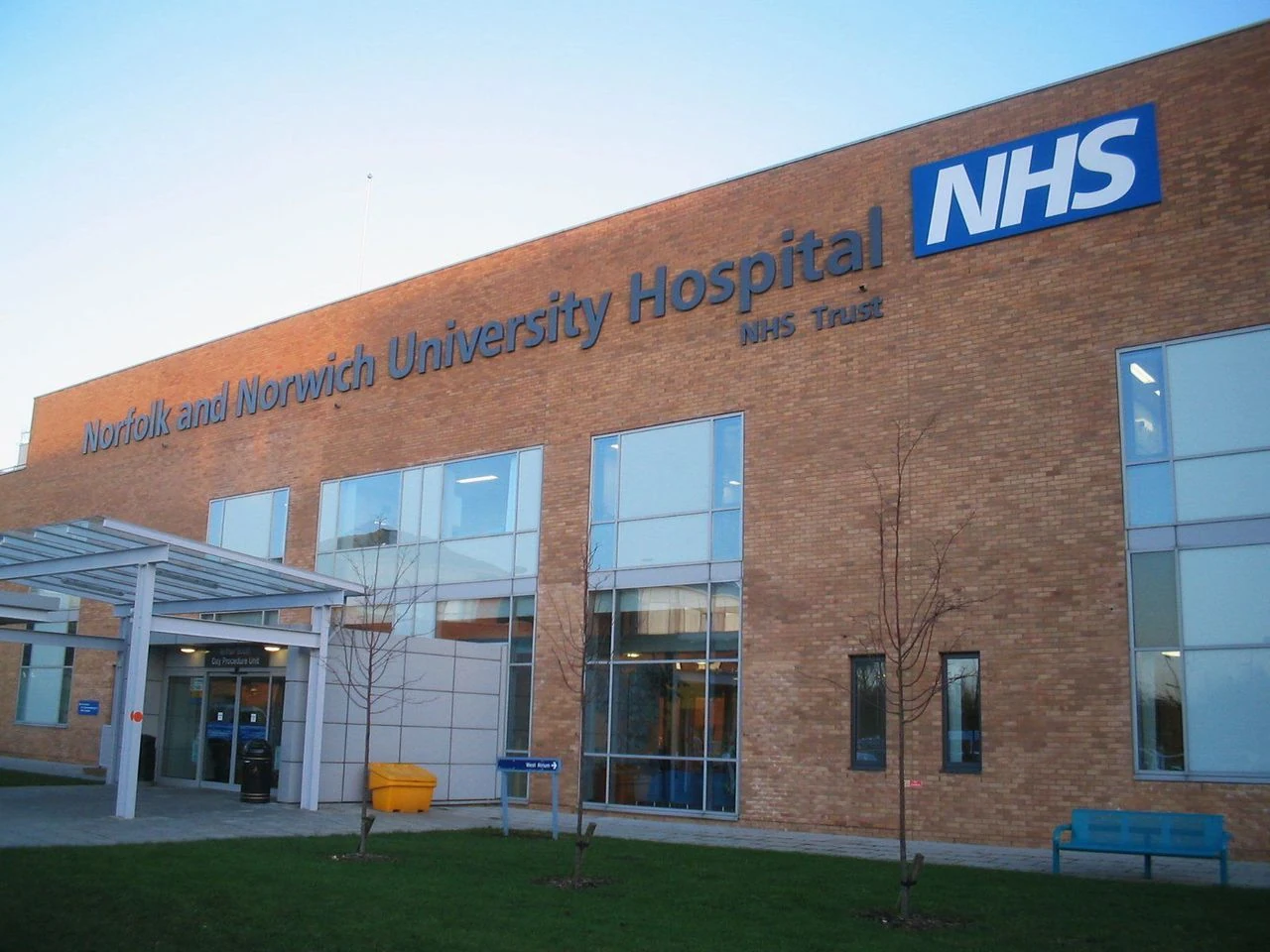
The National Health Service began on 5 July 1948 with an ambition that was both practical and political: to make healthcare available to everyone, funded through taxation rather than determined by personal income. Its founding principles—meeting people’s needs, providing care free at the point of delivery, and basing treatment on clinical need—gave the new service a clear purpose. The NHS has since become one of Britain’s most consequential public institutions, bringing healthcare, public health and professional training together on a national scale.
A new settlement for healthcare
Before the NHS, healthcare in the United Kingdom was delivered through a mixture of private practices, voluntary hospitals and limited public services. The existing arrangements could leave people on low incomes with restricted access to treatment. The Labour government led by Prime Minister Clement Attlee set out to replace that patchwork with a system available regardless of income. Health Minister Aneurin Bevan was central to the project.
Bevan inaugurated the service at Park Hospital in Manchester on its opening day in 1948. The principle behind the change was that care should follow need rather than ability to pay. This was not simply a change in how treatment was organised: it established a public commitment to access as a shared responsibility. The NHS’s founding principles remain the clearest way to understand the institution’s purpose, even as the demands on healthcare and the way it is delivered have changed.
Care, treatment and public health
The NHS provides a wide range of services, including primary care, hospital treatment, dental care and mental health services. Its reach across everyday healthcare is central to its place in British life: people encounter it not only in hospitals but through services intended to support health at different stages of life. The promise of care without a direct charge at the point of delivery is an important part of that model, alongside the principle that clinical need should guide treatment.
The service has also been associated with medical research and the development and use of new treatments. The earlier account highlights liver, heart and lung transplant surgery as examples of medical advances in which the NHS played a role. These achievements sit alongside the less dramatic but essential work of delivering treatment and maintaining services for patients. They help explain why the NHS is understood not only as a funding arrangement but as a large organisation involved in care, research and the application of medical practice.
Public health is another part of its work. The NHS has supported vaccination programmes and anti-smoking initiatives, using its broad network to reach the public. During the COVID-19 pandemic, its work in testing, treatment and vaccination formed part of the national response. Such activity shows how the service’s responsibilities extend beyond treating individuals who are already ill: it also plays a role in preventing disease and responding to health emergencies.
People, skills and pressure
The NHS is also a major employer and a place of professional training. The existing article gives a figure of more than 1.3 million people employed by the service, and describes hospitals and universities working together to train healthcare professionals and support research. That scale brings responsibilities as well as reach. The service depends on a skilled workforce to provide care, and its training role helps prepare successive generations of staff.
Funding constraints, rising demand associated with an ageing population and the pressures of modern healthcare are among the challenges identified in the earlier account. It points to the NHS Long Term Plan as an effort to address them through prevention, digital technology and community-based care. These priorities reflect the continuing task of adapting services while meeting current needs. The NHS’s history is therefore not only one of creation and achievement; it is also a continuing negotiation between the service’s founding commitments and the resources and demands confronting it.
Why the National Health Service deserves a place in British Legacy
The NHS deserves a place in British Legacy because its founding principle altered the relationship between healthcare and personal means. Established in Britain in 1948, it set out to provide care according to clinical need, with treatment free at the point of delivery and funded through taxation. Those commitments give the institution significance beyond its size: they express a practical public choice about how access to healthcare should be organised. Its work in primary and hospital care, mental health, dentistry and public health brings that choice into everyday life.
Its legacy also lies in the breadth of responsibilities gathered under one public service. The NHS treats patients, supports vaccination and other public health initiatives, contributes to medical research and trains healthcare professionals. Its role in the response to COVID-19 further illustrates how that network can be mobilised during a national health emergency. The service faces real pressures, including funding constraints and rising demand, and its future depends on how well it responds to them. Remembering the NHS means recognising both its enduring commitment to care based on need and the continuing work required to sustain that commitment for the people who rely on it.