The Natural History Museum: A Pinnacle of British Legacy in Science and Discovery
In the heart of London, nestled within the illustrious borough of Kensington, lies a museum that stands as a testament to Britain’s unyielding pursuit of knowledge and its quest to decode the natural world. The Natural History Museum, which opened its grand doors in 1881, is no mere repository of artefacts; it is, in essence, an invincible fortress of scientific enquiry, educational enlightenment, and public wonder.
The Magnificent Birth and Growth
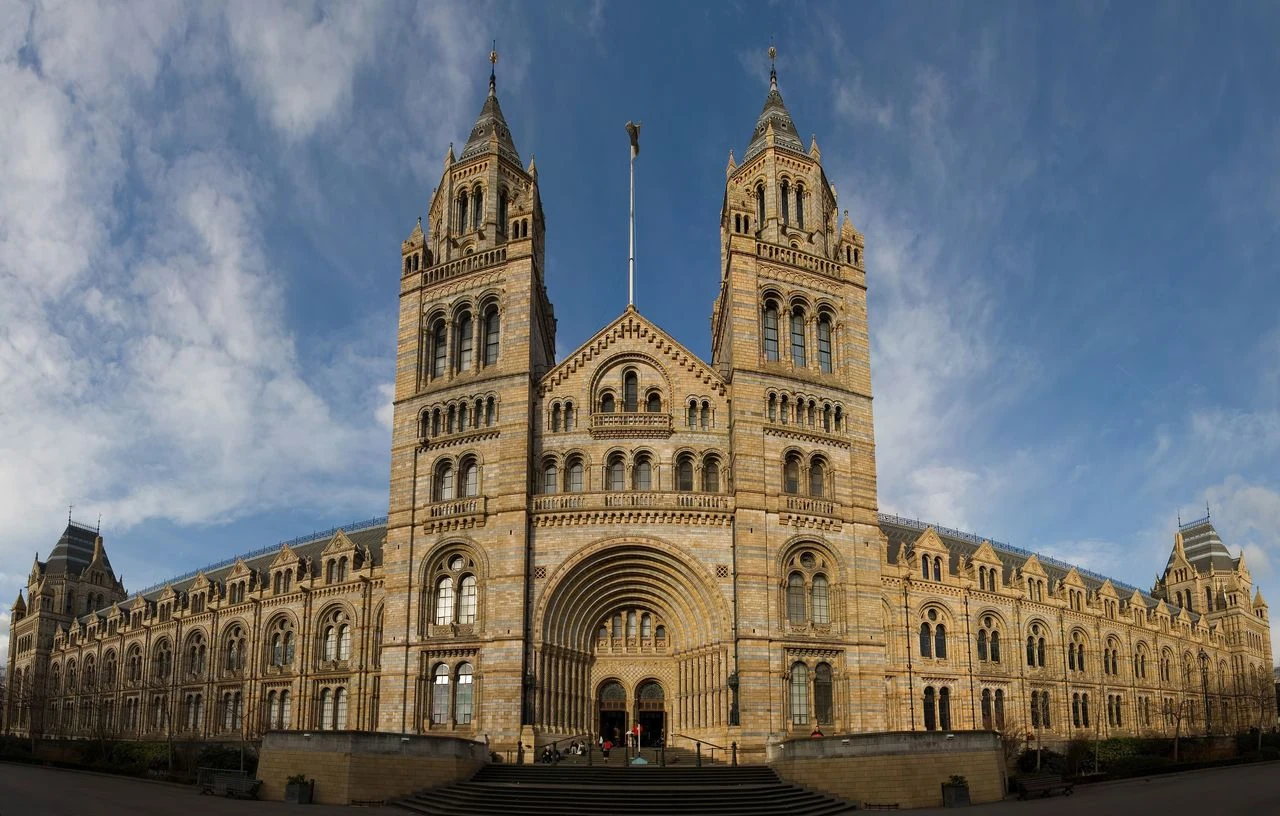
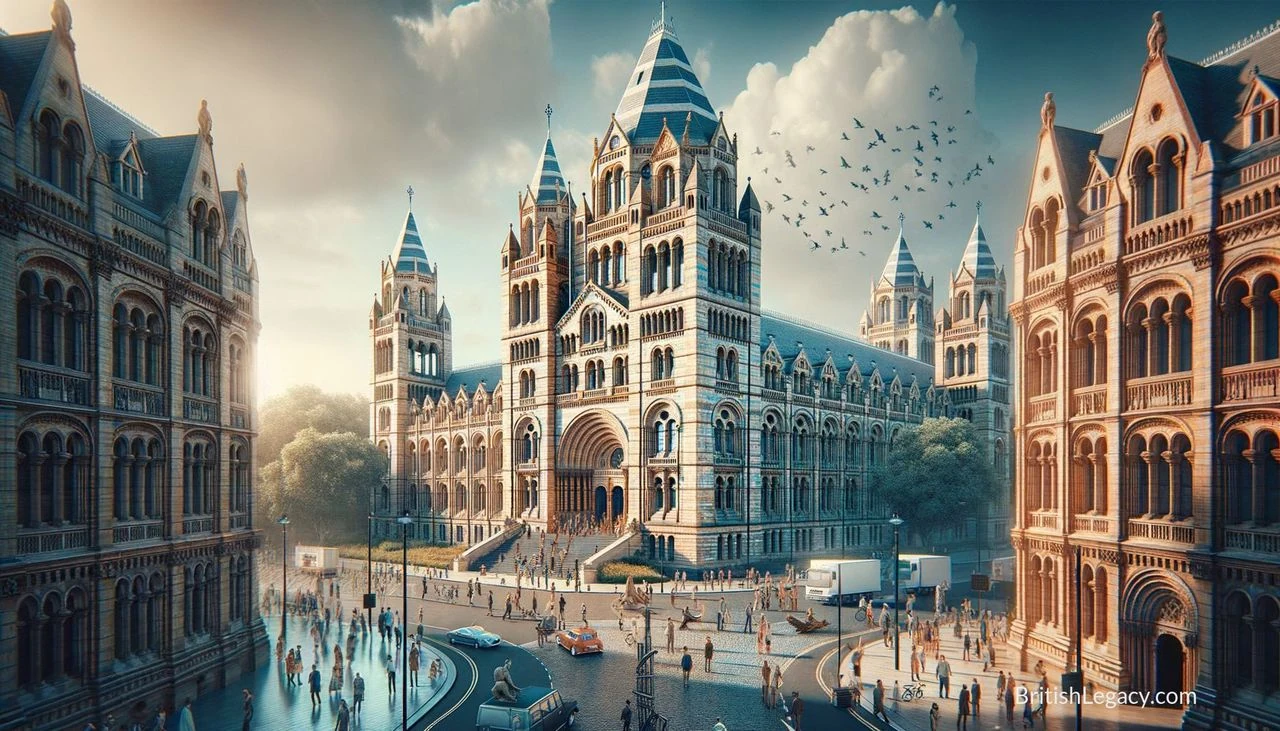
Founded as an offshoot of the British Museum's national collection of natural history, the Natural History Museum was borne of a growing need for a dedicated space to house the burgeoning collections amassed by Victorian explorers and scholars. The museum’s inception was spearheaded by Sir Richard Owen, a biologist of formidable repute, who ardently believed in a separate institution for natural history. It was under his visionary direction that the museum’s monumental Romanesque building, designed by Alfred Waterhouse, was constructed, a marvel that in itself is a masterpiece of architectural brilliance.
A Treasure Trove of Natural Wonders
The museum’s collection is nothing short of astonishing. It comprises over 80 million items spanning billions of years of natural history, offering a comprehensive chronicle of life on Earth. From the awe-inspiring fossils of giant dinosaurs to the delicate specimens of rare insects, the diversity of exhibits speaks volumes about the richness of our planet’s natural heritage.
Foremost among these are the iconic dinosaur skeletons that stretch across the museum’s expansive halls. No visit is complete without an encounter with the towering Tyrannosaurus rex or the majestic Diplodocus, fondly known as “Dippy," who has been an enduring ambassador of the museum's identity.
A Beacon of Scientific Research
Beyond its public allure, the Natural History Museum is a cornerstone of scientific research. It is home to one of the world's foremost centres for taxonomy and biodiversity studies. Here, researchers delve into the mysteries of the natural world, endeavouring to classify millions of species and trace the intricate web of life.
The museum’s scientists are engaged in pivotal research that impacts global conservation efforts, medical advancements, and the understanding of climate change. Their work has contributed significantly to identifying new species, comprehending genetic relationships, and uncovering the impacts of human activity on ecosystems across the world.
Education and Public Engagement
The Natural History Museum is not just a place for passive observation; it is an interactive educational hub. It fervently believes in the dissemination of knowledge and making science accessible to all. Through its plethora of programmes, exhibitions, and workshops, the museum engages millions of visitors annually, from curious children to seasoned researchers.
Its interactive exhibits, such as the ‘Human Evolution’ gallery, the ‘Cocoon’ in the Darwin Centre, and the innovative ‘Sensational Butterflies’ exhibition, turn learning into an immersive experience. The museum’s digital initiatives, ranging from virtual tours to extensive online resources, extend its reach far beyond its physical confines, touching and inspiring minds globally.
Contribution to British and Global Heritage
The Natural History Museum is a proud custodian of British legacy. It embodies the Victorian spirit of discovery and reflects the pioneering endeavours that have defined British contributions to science and exploration. Indeed, it is an exemplar of the nation's commitment to preserving and understanding the natural world.
Internationally, the museum’s influence is profound. It collaborates with scientific institutions across the globe, sharing knowledge, samples, and expertise. Its exhibitions often travel worldwide, bringing pieces of the museum’s vast collection to a global audience, thus fostering a universal appreciation for natural history.
A Living Legacy
As we venture further into the complexities of the 21st century, the Natural History Museum remains an ever-vital institution. It continues to evolve, embracing modern technologies and methodologies to further its mission of understanding and protecting our natural world.
In essence, the Natural History Museum is a symbol of intellectual pursuit and curiosity. It is a beacon that lights the path to discovery, a sanctuary where the mysteries of nature are revered, studied, and shared. It stands as a profound illustration of how a nation’s legacy can be cemented through education, research, and the unending quest for knowledge.
With its invaluable contributions to both British heritage and global scientific enlightenment, the Natural History Museum undeniably holds a cherished place in the annals of history, capturing the imaginations of countless generations and continuing to be a stalwart of natural wonders and human curiosity.