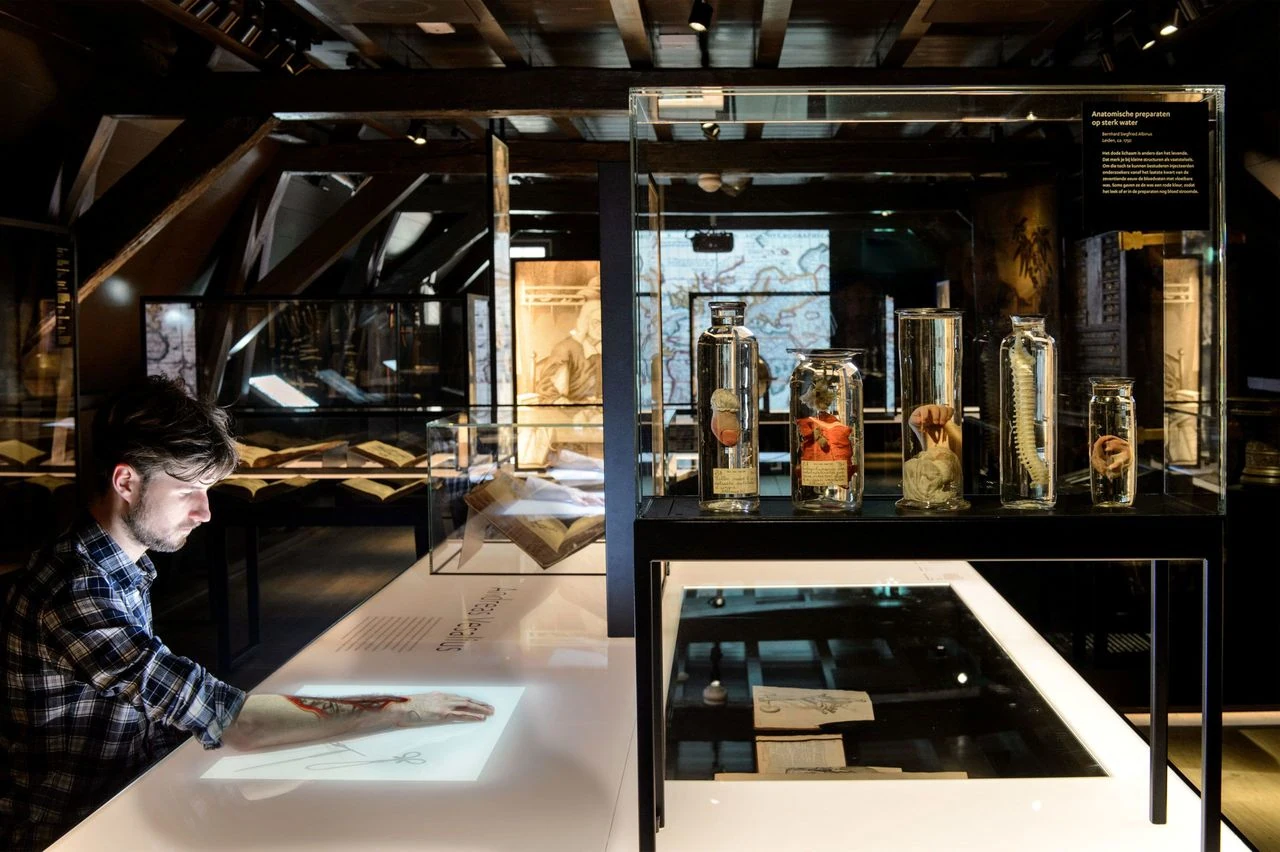
In South Kensington, the Science Museum presents science and technology through objects visitors can examine and, in some galleries, experiments they can try. Its collections range from historic engines and a workshop associated with James Watt to the Apollo 10 command module. Alongside these objects, interactive galleries, demonstrations and educational activities invite visitors to think about how scientific ideas work and what they mean in society.
A collection spanning engineering and spaceflight
The museum began in 1857 as part of the South Kensington Museum, an institution that would later become the Victoria and Albert Museum. The Science Museum now holds a collection of more than 300,000 items, according to the existing account. Together, these objects offer a long view of scientific and technological change rather than a story confined to one period or discipline.
Among the objects highlighted are a steam engine attributed to Thomas Newcomen, James Watt’s workshop and the Apollo 10 command module, which orbited the Moon in 1969. They place different kinds of work and achievement side by side: the development of machinery, the setting in which an engineer worked, and a spacecraft associated with a mission beyond Earth. The museum’s appeal lies partly in this contrast between practical engineering and the scale of space exploration.
Learning by seeing and doing
Hands-on displays give visitors a way to engage with scientific principles as well as view historical objects. The Launchpad gallery offered interactive experiments involving physics, while Wonderlab presents science through demonstrations and activities. These approaches make the galleries places for trying, watching and questioning, not simply moving past exhibits.
The museum’s educational work also includes workshops for school groups and families, live science shows and talks by scientists and engineers. Such activities place public learning alongside the care and display of the collection. A visit can therefore connect an object with an explanation or demonstration, giving visitors more than a label to read and encouraging them to consider how scientific ideas operate.
Science in public life
Not all the museum’s subject matter is about machinery or invention. The Who Am I? gallery addresses genetics and identity, bringing scientific developments into conversation with questions about people and society. The museum also presents contemporary issues, including climate change, renewable energy and medical advances, through a scientific lens. This gives its work a present-day dimension: historical artefacts sit alongside subjects that continue to shape public discussion.
The institution extends its reach beyond its London galleries through online resources, a digital archive and international exhibitions. The existing account notes that exhibitions have travelled to cities including Beijing and New York. These activities make the museum’s material accessible to audiences outside South Kensington and give its displays a role in sharing accounts of science and technology internationally.
Why The Science Museum deserves a place in British Legacy
The Science Museum merits a place in British Legacy for the particular combination of collection, public learning and social discussion described in its history. Its South Kensington origins connect it to the development of a major British museum institution, while its holdings bring together examples of engineering and space exploration. The Newcomen engine, Watt’s workshop and Apollo 10 command module offer visitors distinct ways to encounter technical achievement: through a machine, an engineer’s working environment and a spacecraft.
Its contribution is not limited to preserving objects. Interactive galleries, workshops, demonstrations and talks create routes for visitors to engage with science directly. Galleries such as Who Am I? and displays addressing climate change, renewable energy and medicine also show how scientific subjects can intersect with questions affecting society. Online resources and international exhibitions extend that work beyond the museum’s London home. Together, these activities make the Science Museum a British institution whose legacy includes both the material record of science and opportunities for people to explore its ideas.