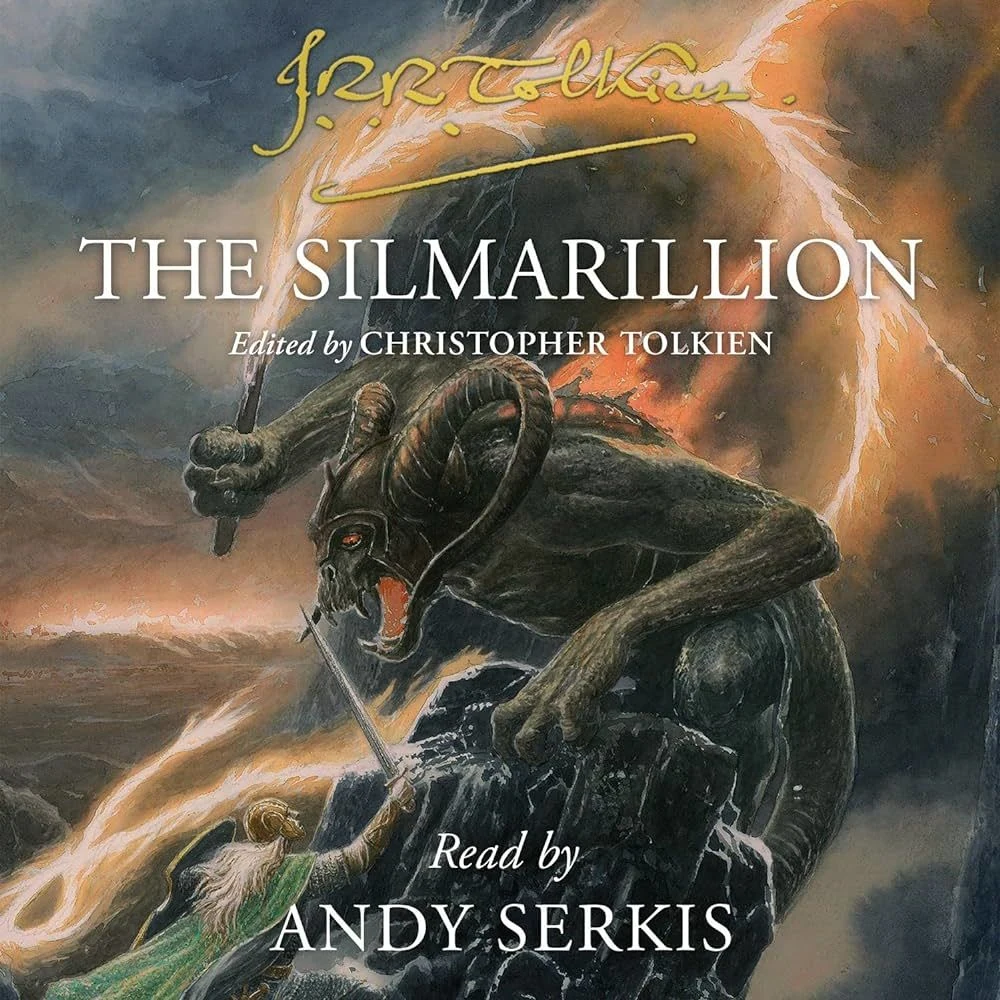
The Silmarillion by J.R.R. Tolkien: A Cornerstone of British Literary Heritage
J.R.R. Tolkien's The Silmarillion stands as a monumental pillar in the world of literary fantasy, offering an intricate tapestry of mythopoeic tales that form the bedrock of Middle-earth. Though published posthumously in 1977, the collection is a testament to Tolkien's unparalleled skill in world-building and storytelling, and it provides essential context for his more widely known works, The Hobbit and The Lord of the Rings.
What Is It About?
The Silmarillion is a compendium of mythological narratives and histories that chronicle the creation and early ages of Tolkien’s fictional universe, Arda. Divided into five parts, the book journeys from the creation myth in the Ainulindalë, through the saga of the rebellious Elf Fëanor and the tragic wars over the titular Silmarils in Quenta Silmarillion, to the complex tales of The Akallabêth and Of the Rings of Power and the Third Age. These stories lay the foundation for the rich, complex lore that infuses Tolkien’s later works.
Summary: An Engaging Overview
In the Ainulindalë, Tolkien introduces the creation of the world through the divine music of the Ainur, celestial beings who shape the very fabric of Arda under the guidance of Eru Ilúvatar, the supreme deity. This cosmic overture sets the stage for the ensuing epic struggles narrated in Quenta Silmarillion, the central section recounting the forging of the Silmarils by Fëanor, their theft by the dark lord Morgoth, and the ensuing strife among Elves, Men, and Gods. The Akallabêth delves into the rise and fall of the island kingdom of Númenor, while Of the Rings of Power and the Third Age provides critical backstory for the events detailed in The Lord of the Rings.
The Birth of a Mythical Realm
The Silmarillion was carefully assembled and edited by Tolkien's son, Christopher Tolkien, from extensive notes and drafts his father left behind. J.R.R. Tolkien began conceptualising these tales as early as 1914, long before he wrote The Hobbit or The Lord of the Rings. Committed to crafting a comprehensive mythos, his detailed languages and histories contributed significantly to the book’s profound impact.
Success and Cultural Contribution
While its publication initially led to mixed reactions due to its dense and archaic style, The Silmarillion has since been recognised as a critical piece of Tolkien’s legendarium. Its intricate narratives and profound themes have paved the way for modern fantasy literature, influencing countless writers and creators. Furthermore, it has deepened readers' appreciation of the vast world Tolkien created, enriching the context and emotional depth of his more popular works.
Legacy in British Literature
The Silmarillion endures as a testament to Tolkien’s genius and remains integral to British literary heritage. It elucidates the deep roots of his narrative universe, showcasing his linguistic prowess and unparalleled imagination. As a foundational text of modern fantasy, it has inspired generations, bridging the mythical and the modern in a unique, timeless fashion.
You can purchase The Silmarillion on Amazon, among other retailers.
By illuminating the origins and early epochs of Middle-earth, The Silmarillion not only satisfies the intellectual curiosity of ardent Tolkien fans but also stands as a towering achievement in literary history, cementing J.R.R. Tolkien’s legacy as one of Britain’s greatest literary figures.