The Tate galleries tell more than one story about British art. Tate Britain presents a collection spanning centuries; Tate Modern brings modern and contemporary work into a former power station; and Tate Liverpool and Tate St Ives place galleries within distinctive regional settings. Together, the four institutions hold the national collection of British art as well as international modern and contemporary art. Their history links a late nineteenth-century act of philanthropy with a gallery network that reaches from London to Liverpool and Cornwall.
A gallery founded through philanthropy
The story begins with Sir Henry Tate, a sugar magnate and philanthropist who gave artworks and financial support towards a national museum devoted to British art. The Tate Gallery opened on Millbank in 1897; the institution is now known as Tate Britain. Its collection was intended to span from Tudor times to the present, placing works from different periods within a shared account of British art.
That breadth is visible in the artists associated with Tate Britain’s holdings, among them J. M. W. Turner, John Constable and Lucian Freud. The Clore Gallery, a dedicated wing, houses Turner works in watercolour, oil and sketch form. Seen together, these artists and works offer visitors the opportunity to consider how British art has changed across time, rather than encounter each work as an isolated object.
The account of Tate Britain also highlights a longer passage through artistic styles and subjects: from religious imagery of the Tudor period to twentieth-century avant-garde movements. The Turner Prize, described in the earlier account as an annual award for contemporary British artists, adds a contemporary dimension to the institution’s role. The collection looks back across historical periods, while the prize recognises current artistic practice.
From Bankside to the regions
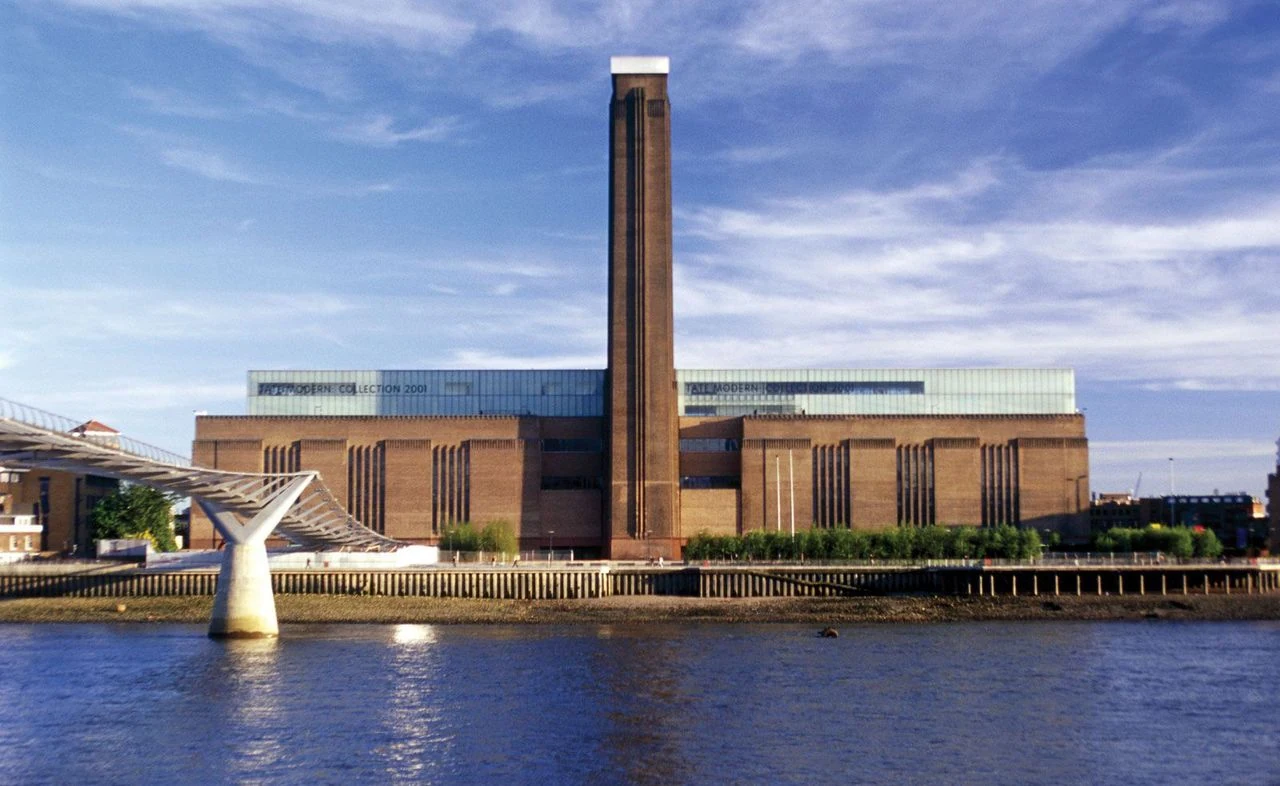
In 2000, Tate Modern opened in the former Bankside Power Station, a substantial change of setting for a gallery devoted to modern and contemporary art. The building was adapted by architects Herzog & de Meuron. Its exhibitions include work by international artists such as Pablo Picasso and Andy Warhol, alongside British artist Damien Hirst. The Turbine Hall provides space for large-scale installations, giving the gallery a setting for work that engages with the scale and character of the former industrial building.
Tate Liverpool, which opened in 1988 at Albert Dock, extended the galleries beyond London. Its exhibitions bring together British and international modern and contemporary art. The earlier account also describes workshops, artist-led projects and interactive exhibitions as part of its public programme. These activities place participation alongside the display of artworks, connecting the gallery with people visiting and living in the city.
Opened in 1993, Tate St Ives gives the network a Cornish setting. Its programme connects local heritage with modern art, and its collection and exhibitions include work associated with Barbara Hepworth and Ben Nicholson, artists linked in the earlier account to the region. The gallery’s position in St Ives makes place part of the story: the local and regional context sits alongside wider developments in contemporary art.
One name, different encounters with art
The four galleries do not present a single uniform experience. Tate Britain’s historical range, Tate Modern’s modern and contemporary focus, Liverpool’s exhibitions and community activities, and St Ives’s relationship with Cornish art and place each give visitors a different point of entry. Across them, British art is shown in relation both to its own history and to international work.
The network’s reach also rests on the variety of its spaces. The former power station at Bankside, Albert Dock in Liverpool and the coastal setting of St Ives are not interchangeable backdrops. They situate galleries in different parts of the country and give their collections and programmes distinct contexts. This regional presence broadens the account of British visual art beyond a single London institution.
The earlier article made expansive claims about Tate’s global influence and its effects on how art is valued around the world. The more concrete story is sufficient: the galleries steward a national collection, show international modern and contemporary art, and provide different settings for viewing and engaging with it. Their significance lies in those identifiable responsibilities and in the range of places through which they are carried out.
Why The Tate galleries deserve a place in British Legacy
The Tate galleries deserve a place in British Legacy because their history joins public collections with a continuing account of artistic change. Henry Tate’s donation of artworks and financial support led to the opening of the Tate Gallery on Millbank in 1897. Tate Britain’s holdings, including works by Turner, Constable and Freud, make that historical breadth tangible; the Clore Gallery gives Turner’s work a dedicated home. The Turner Prize, in turn, connects the institution with contemporary British artists. Together, these details show how one institution can preserve work from earlier periods while also recognising art being made in the present.
The wider network matters because it extends that encounter beyond one building and one city. Tate Modern’s home in a former power station, Tate Liverpool’s base at Albert Dock and Tate St Ives’s Cornish setting give audiences different ways to meet British and international art. The galleries’ programmes, including the workshops and artist-led projects described for Liverpool and the large-scale installations in Tate Modern’s Turbine Hall, add forms of engagement beyond conventional display. Their British connection is not simply a claim to national importance: it is grounded in a collection of British art and in institutions located across England, each contributing a different setting for public access to visual art.