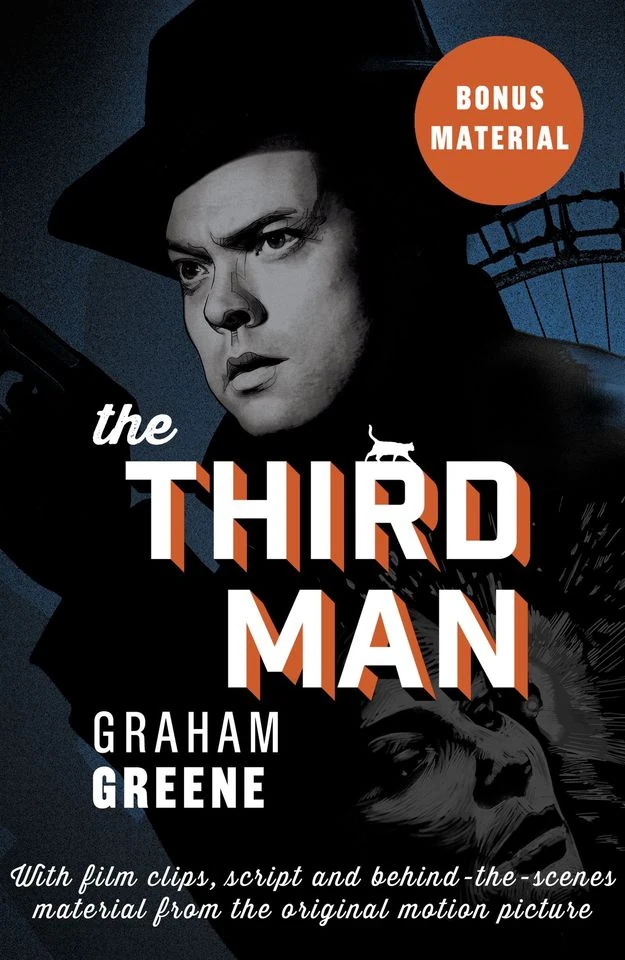
The Third Man: A Testament to British Literary Legacy
Introduction
Graham Greene's "The Third Man" stands as a quintessential piece of British literature that has profoundly influenced readers and cinephiles alike. Originally conceived as a screenplay, this compelling narrative set in the post-war ruins of Vienna is a masterclass in storytelling that exposes the complexities of human nature through a gripping tale of intrigue, love, and betrayal. It is a testament to Greene’s talent and a crowning jewel of British literary heritage.
Summary of the Book
"The Third Man" revolves around the character Holly Martins, an American pulp fiction writer, who arrives in Vienna, ridden by the aftermath of World War II, to meet his friend Harry Lime. Upon his arrival, Martins is met with a grim reality—Lime has died in a suspicious accident. Determined to unveil the truth, Martins navigates through the city's divided zones, uncovering a web of corruption and deceit. The story masterfully blends suspense with moral ambiguity, keeping readers on the edge of their seats while probing deeper questions about loyalty and ethics.
The Genesis of "The Third Man"
Graham Greene, one of the most illustrious British authors of the 20th century, initially wrote "The Third Man" as a screenplay for the iconic film directed by Carol Reed, released in 1949. Greene penned the story inspired by his visit to Vienna and the palpable tension of the Cold War era, capturing the fractured state of a city caught between the political machinations of the Allied powers. The film adaptation, starring Joseph Cotten and Orson Welles, went on to become a classic, solidifying its place in cinematic history.
Literary Success and Legacy
"The Third Man" met with critical acclaim both as a film and eventually as a novella, published in 1950. Greene’s insightful narrative and his ability to weave complex moral dilemmas into a thrilling plot made the story an instant success. The novella, much like the film, delves deep into the shattered psyche of post-war Europe, reflecting a reality that resonated with audiences of the time and continues to be relevant today.
Graham Greene's work on "The Third Man" is celebrated for its rich, atmospheric prose and nuanced characters, which are imbued with moral ambiguities. His portrayal of a city torn by war and espionage has left an indelible mark on British literature, showcasing the power of literature to navigate and illuminate the darker corners of human existence. The tale stands as a significant contribution to British legacy, intertwining a gripping narrative with profound philosophical insights.
Impact on British Culture
"The Third Man" has influenced a myriad of writers and filmmakers, serving as a paragon of nuanced storytelling and atmospheric tension. Greene’s ability to paint a vivid picture of war-torn Vienna serves as both a historical document and a piece of enduring literature. The thematic exploration of moral ambiguity and human frailty in a turbulent world has left a lasting impact on British literature and cinema, cementing Greene's status as a pivotal figure in the canon of British cultural heritage.
Wrap-Up
Graham Greene's "The Third Man" is more than just a story; it is a narrative that captures the essence of post-war turmoil and human complexity. It is a must-read for those interested in British heritage, offering not only a riveting tale but also a profound exploration of moral and ethical dilemmas.
If you wish to delve into this enthralling story, you can purchase "The Third Man" here on Amazon.
Through "The Third Man," Graham Greene has left an indelible mark on British literature, a legacy that continues to inspire and challenge readers worldwide.