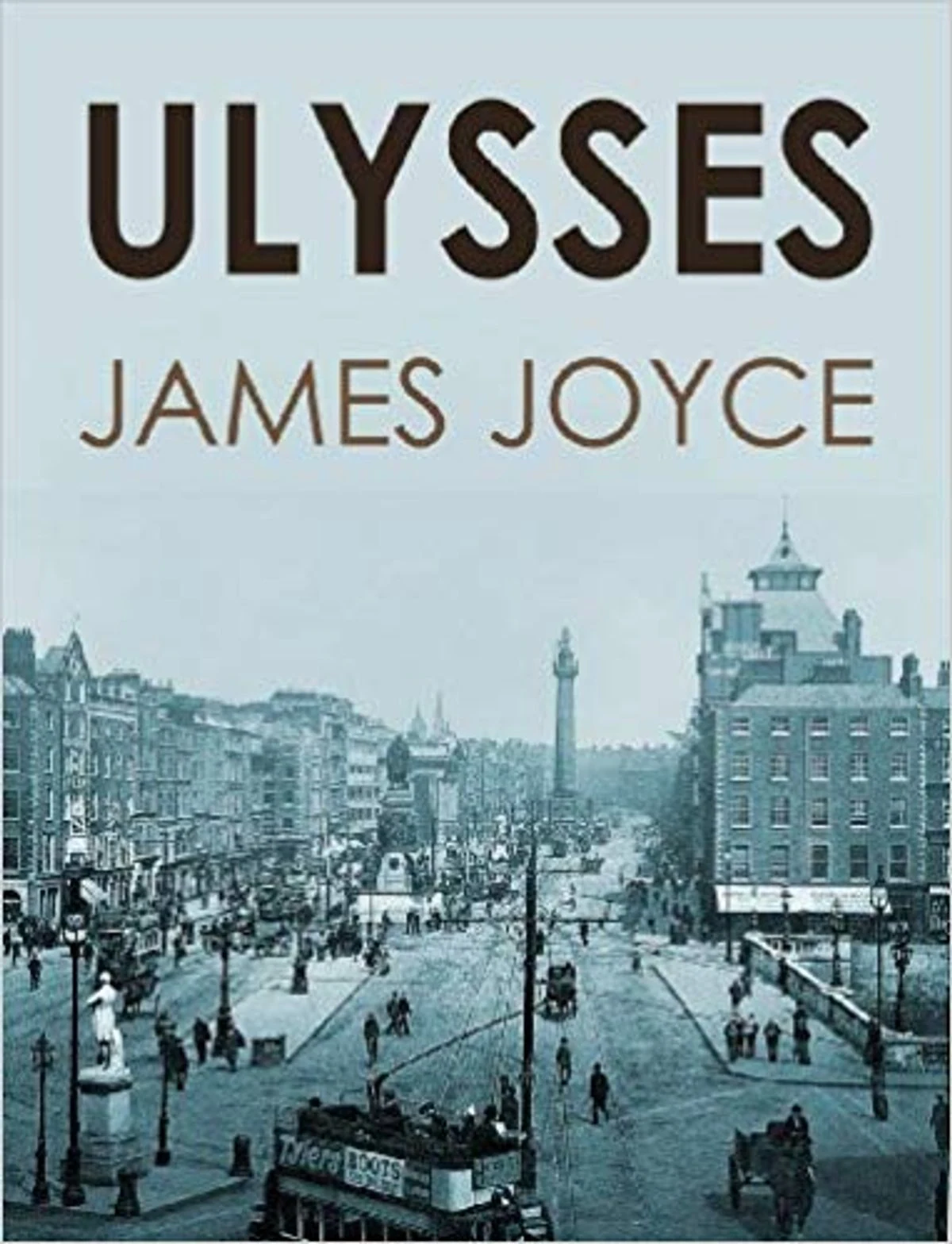
"Ulysses" by James Joyce: A Masterpiece of Modernist Literature
A Brief Introduction to "Ulysses"
"Ulysses," first published in 1922, is an iconic work by the Irish author James Joyce. Widely regarded as one of the most significant books of the 20th century, this modernist epic spans an ordinary day in the life of its protagonist, Leopold Bloom, as he navigates through the streets of Dublin on 16 June 1904.
Overview and Summary
"Ulysses" is structured into 18 episodes, each paralleling episodes from Homer's ancient Greek epic "The Odyssey." Joyce's meticulous attention to detail allows for a rich tapestry of themes, motifs, and narrative styles. The novel unfolds through a stream-of-consciousness technique, showcasing Joyce's innovative use of language, interior monologue, and deeply complex characterisations.
Set against the backdrop of Dublin, Joyce explores the mundane and the extraordinary in a single day, examining themes of identity, existentialism, love, and the human condition. The protagonist, Leopold Bloom, encounters a series of adventures and misadventures, from mundane tasks like attending a funeral to more profound experiences such as grappling with issues of fidelity and fatherhood.
Origins and Writing Process
James Joyce began working on "Ulysses" in 1914, a period marked by personal and political turmoil. Published initially in serial format in the American journal "The Little Review," the novel faced legal challenges due to its controversial content, including explicit material and then-taboo subjects. Eventually, it was published in full by Sylvia Beach, owner of the Parisian bookshop Shakespeare and Company, in 1922.
Success and Contribution to British Legacy
Although Joyce was Irish, his time spent in Britain and the extensive connections he formed with British literary circles greatly influenced his work. The innovative narrative approach, rich linguistic tapestry, and deep psychological insight cemented "Ulysses" as a cornerstone of modernist literature. Its success lies not just in its storytelling, but in its bold challenge to traditional narrative forms and its profound exploration of the human psyche.
Through "Ulysses," Joyce contributed significantly to the British literary tradition. The novel's impact extends far beyond literature, influencing a wide array of disciplines including psychology, linguistics, and philosophy. It remains a subject of extensive scholarly study and literary discussion, preserving its status as a perennial classic and an integral part of the British legacy of literature.
Purchasing "Ulysses"
For those looking to delve into this modernist masterpiece, "Ulysses" is readily available for purchase on Amazon: Buy Ulysses on Amazon, as well as other reputable booksellers.
In conclusion, "Ulysses" by James Joyce is not merely a book; it is an odyssey through the human experience, encapsulated in a single day in Dublin. It stands as a testament to Joyce's genius and continues to inspire readers and scholars around the world, solidifying its place in the annals of British literary heritage.