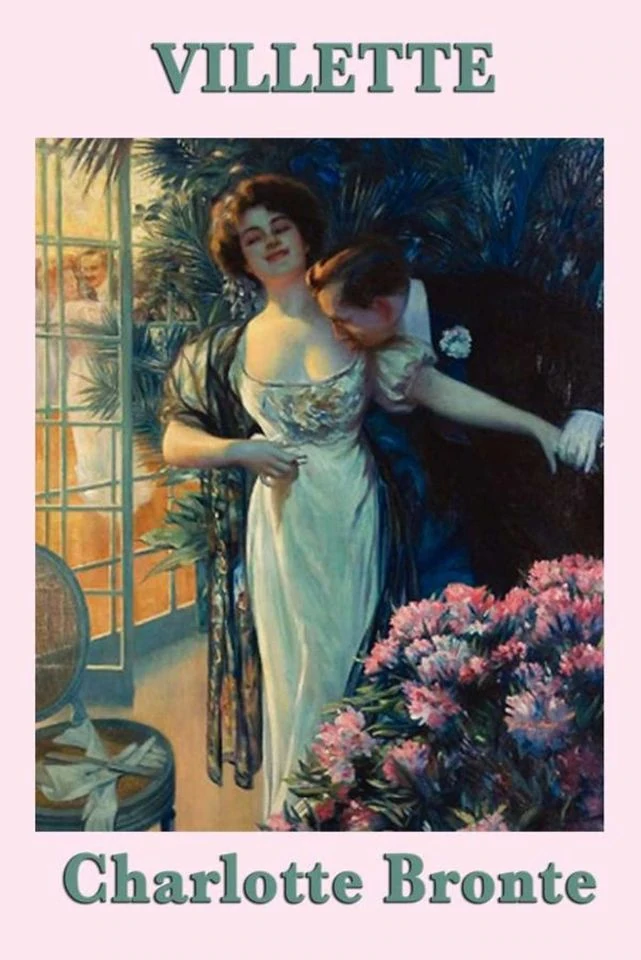
"Villette" by Charlotte Brontë: A Pinnacle of Psychological Depth and Narrative Excellence
Charlotte Brontë, an illustrious figure in the pantheon of British literature, crafted a masterstroke with her novel "Villette." Published in 1853, this compelling tale revolves around Lucy Snowe, a young Englishwoman who embarks on a journey to the fictional town of Villette to teach at a girls' school. Through Lucy’s story, Brontë explores themes of isolation, identity, and desire, all while showcasing her unparalleled psychological depth and narrative complexity.
A Concise Yet Compelling Summary
"Villette" is a captivating exploration of inner turmoil and resilience. It begins with Lucy Snowe, who, after experiencing a family tragedy, leaves England behind for the continent. She arrives in Villette (modelled after Brussels) and secures a position at Madame Beck's girls' school. As Lucy navigates her new life, she encounters a cast of intriguing characters, including the enigmatic Professor Paul Emanuel and the effervescent Ginevra Fanshawe.
Throughout the novel, readers are drawn into Lucy’s introspective world, marked by her stoicism and acute observations. She grapples with feelings of loneliness, struggles to assert her sense of identity, and harbours deep desires for connection and recognition. The novel’s gothic undertones and rich, evocative descriptions contribute to a palpably immersive experience that underscores Brontë’s literary prowess.
Authorship and Creation
Charlotte Brontë penned "Villette" after the substantial success of her earlier work, "Jane Eyre." Drawing from her own experiences, particularly her time spent in Brussels as a teacher, Brontë imbued Villette with a sense of authenticity and emotional sincerity. The semi-autobiographical nature of the novel, combined with its introspective narrative style, reflects Brontë’s profound understanding of human psychology and personal struggle.
Success and Legacy
"Villette" received critical acclaim upon its release and has since been celebrated as one of Brontë’s finest works. The novel's complex themes and nuanced portrayals have continued to resonate with readers and scholars alike. It is frequently hailed for its pioneering exploration of female autonomy and emotional depth, aspects that were particularly groundbreaking during the Victorian era.
Charlotte Brontë’s eloquent prose and intricate characterisations in "Villette" have cemented the novel’s place in the canon of British literature. Its contribution to British legacy is manifold: it not only offers a profound psychological narrative but also provides insight into 19th-century societal norms and the challenges faced by women.
Fishing for Futures
For those eager to delve into this timeless masterpiece, "Villette" remains widely available in both physical and digital formats. It continues to inspire discussions in literary circles and is often included in academic curricula worldwide.
To secure your own copy of "Villette," visit: Villette on Amazon UK
Wrap-Up
"Villette" is more than just a novel; it is an intricate tapestry of human emotion and intellectual depth. Charlotte Brontë’s ability to weave complex themes through the life of Lucy Snowe remains a testament to her literary genius. As part of the British legacy, "Villette" continues to inspire readers with its poignant exploration of solitude, identity, and the enduring human spirit.
Dive into the profound world of "Villette" and discover why it remains an essential piece of British literary heritage.