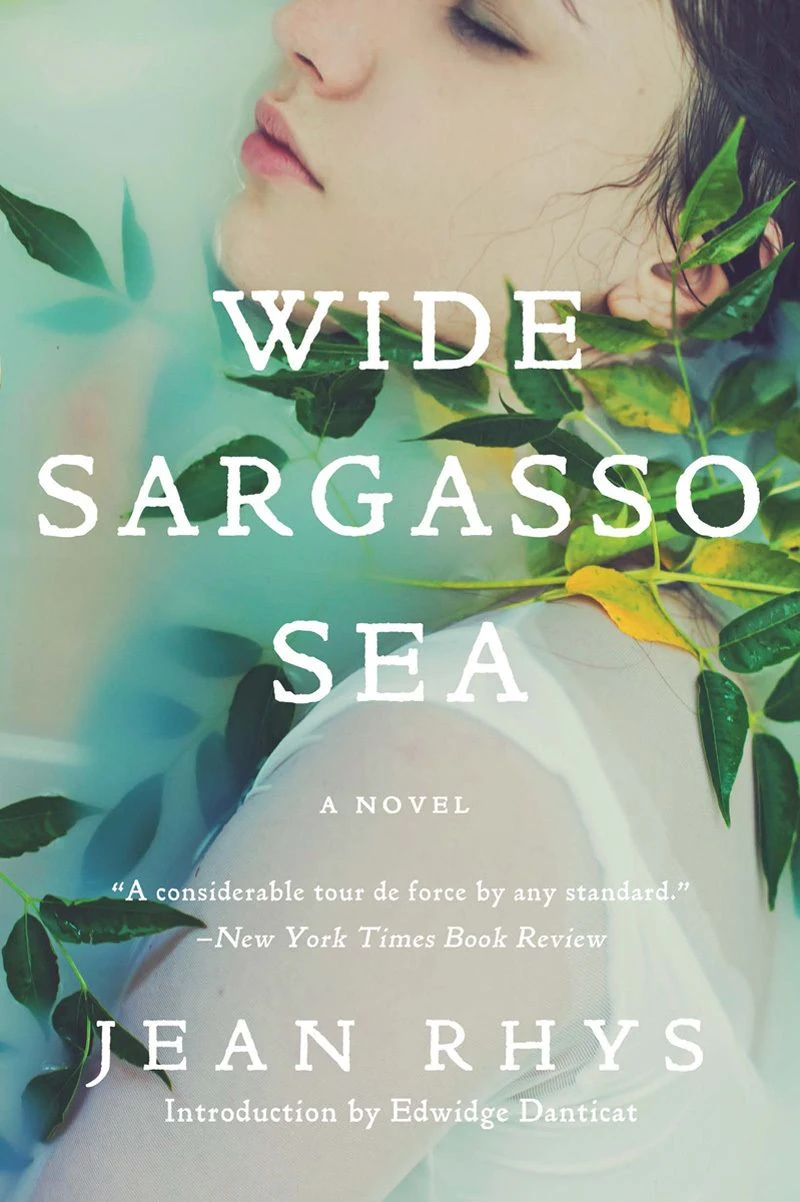
Wide Sargasso Sea: A Confluence of Voices, Cultures, and Identity
Introduction to a Critical Voice "Wide Sargasso Sea" by Jean Rhys is more than just a novel; it is a crucial augmentation to the classic literary canon, offering a multi-faceted critique of colonialism and its devastating impacts on identity and relationships. Written as a prequel to Charlotte Brontë's esteemed "Jane Eyre," Rhys's seminal work reclaims the obliterated narrative of Antoinette Cosway, who in Brontë's novel is known merely as the "madwoman in the attic."
The Story Unfolds Set against the lush and turbulent backdrop of post-emancipation Jamaica in the 1830s, "Wide Sargasso Sea" delves into the life of Antoinette Cosway, a Creole heiress whose fractured identity is emblematic of the larger postcolonial discord. The novel intricately portrays her fragile mental state and deteriorating circumstances following her arranged marriage to a domineering, unnamed Englishman, who is implicitly linked to Mr. Rochester of "Jane Eyre."
Rhys masterfully narrates Antoinette’s story in a non-linear structure, revealing her disenfranchisement, struggles with cultural alienation, and ultimate descent into madness. Through the vibrant yet melancholic prose, Rhys critiques the pervasive racial and gender prejudices of the era, and the dehumanising effects of colonial conquest.
The Genesis of a Literary Masterpiece Jean Rhys, born in 1890 in Dominica, was deeply influenced by her own experiences of racial and cultural displacement. Widely considered an expatriate writer, her own Creole background and tumultuous life infuse "Wide Sargasso Sea" with authentic depth and sensitivity. Written over the span of many years and published in 1966, the novel not only revives Antoinette's story but also marks Rhys’s triumphant return to the literary scene after decades of obscurity.
Impact and Legacy Upon its publication, "Wide Sargasso Sea" received immediate critical acclaim, lauded for its innovative narrative structure and poignant exploration of identity and otherness. The novel has since been recognised as a pivotal piece in feminist and postcolonial literature, influencing numerous contemporary works and discussions.
Rhys’s empathetic retelling elevates the peripheral character of Brontë’s novel to a central, complex figure whose life and demise mirror the broader consequences of colonial domination. The book’s success not only restored Rhys's own literary career but also broadened the scope and discourse within British and global literature.
Conclusion In its few pages, "Wide Sargasso Sea" encapsulates a vast array of themes—identity, cultural clash, mental instability, and environmental splendour—all while engaging with a critical genealogical task. It stands as a vital contribution to British literary heritage, compelling readers to reconsider and recontextualise established narratives with newfound empathy and understanding.
Where to Buy For those seeking to explore this profound narrative, "Wide Sargasso Sea" can be purchased from Amazon UK.
By delving into the untold story of Antoinette Cosway, Jean Rhys's "Wide Sargasso Sea" invites readers to reflect upon the complexities woven into every page—a testament to the enduring power of literature.
Note: Links are accurate at the time of writing.