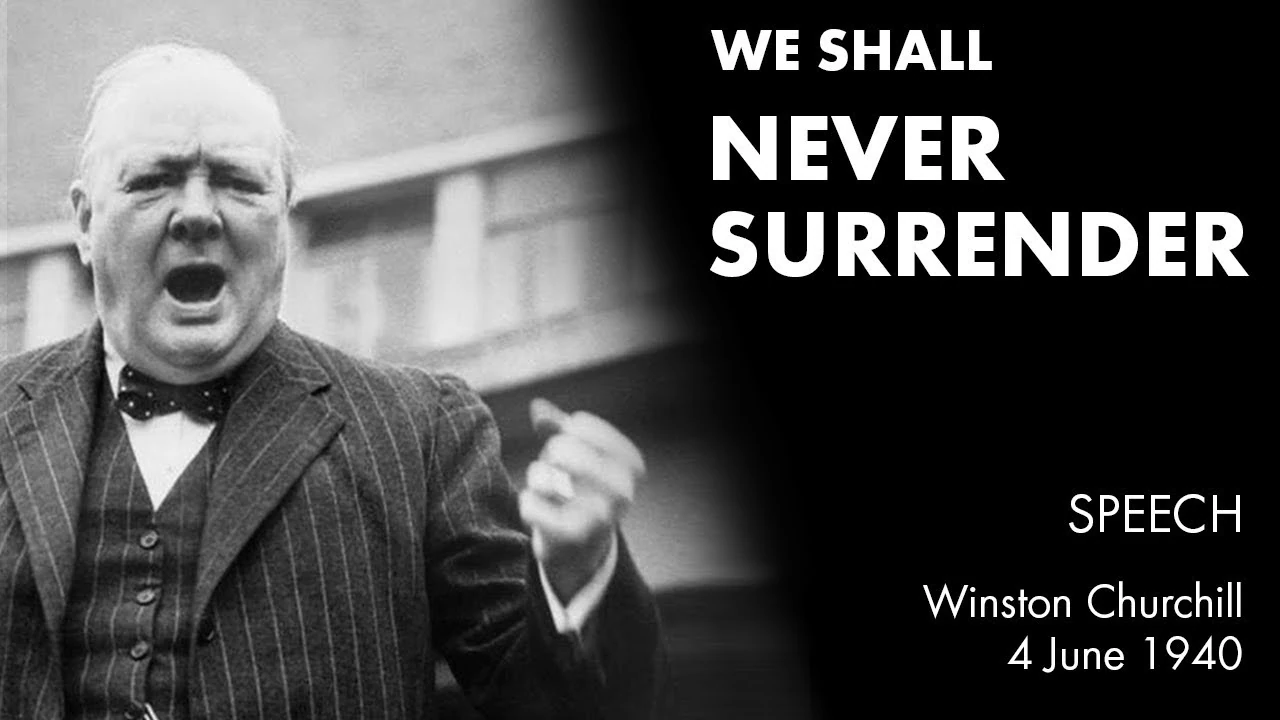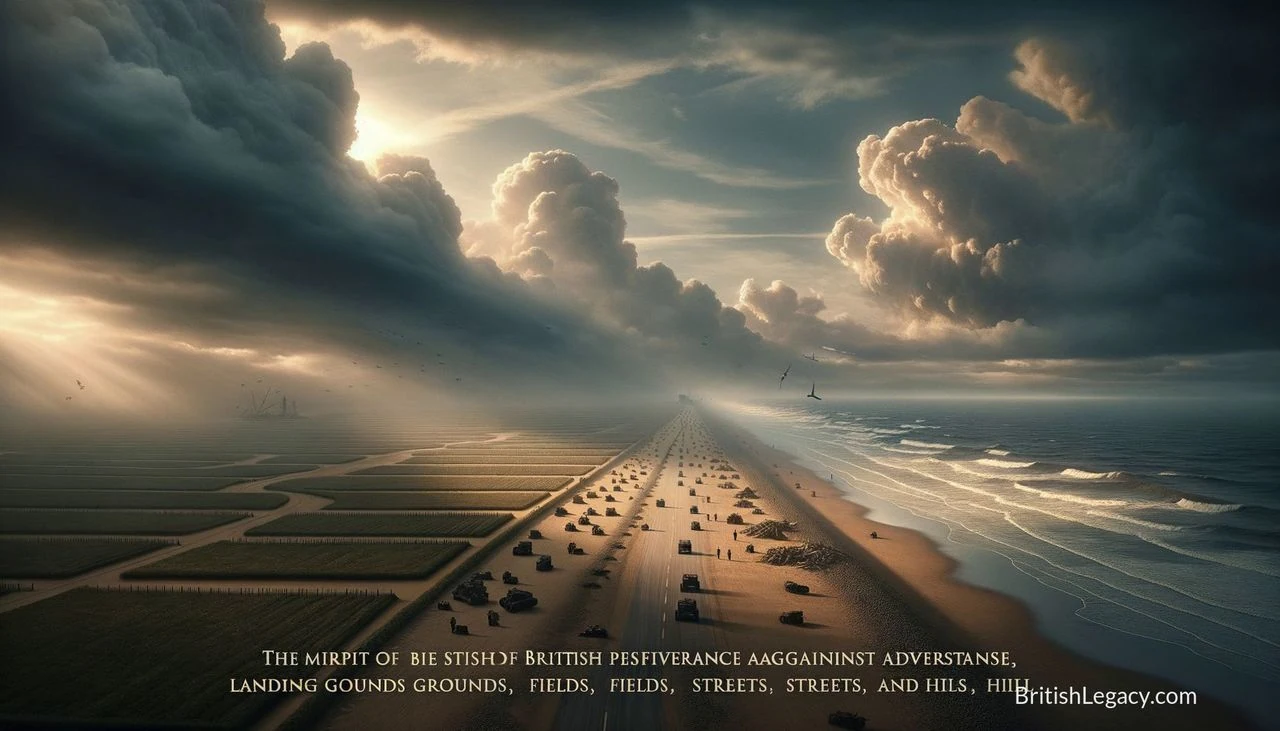
On 4 June 1940, Winston Churchill addressed the House of Commons after Allied troops had been evacuated from Dunkirk. The rescue brought hundreds of thousands of soldiers back to Britain, but it was a retreat from France, not a decision that the danger had passed. Churchill’s speech confronted that uncertainty with a declaration of continued resistance: “We shall fight on the beaches, we shall fight on the landing grounds, we shall fight in the fields and in the streets, we shall fight in the hills; we shall never surrender.”
Dunkirk: rescue and retreat
By late May, British, French and Belgian forces were trapped by German troops around Dunkirk, a coastal town in France. The supplied account puts the number of British troops there at nearly a quarter of a million, alongside more than 100,000 French and Belgian soldiers. In the evacuation, British military vessels were joined by civilian boats; more than 338,000 soldiers were brought back to Britain.
The evacuation was a major rescue, but it did not remove the threat. The article describes fears that the retreat exposed Britain to possible invasion. Churchill, who had been prime minister for a month, spoke to Parliament at this dangerous juncture. His address recounted the events at Dunkirk while asserting that Britain would continue the conflict.
A pledge of continued resistance
The repeated “we shall fight” gives the speech its defining shape. Its sequence moves from France to beaches and landing grounds, then through fields, streets and hills, before reaching its final refusal to surrender. The language turns a report of military danger into a public commitment to persist. The supplied text also begins a further quotation—“We shall go on to the end, we shall fight in France, we shall”—but breaks off before the sentence is complete, so that fragment is not reproduced as a complete quotation here.
The address was delivered in the House of Commons, but its significance in the supplied account reaches beyond Parliament: it was intended to strengthen resolve and readiness for continued conflict. The Dunkirk evacuation and the speech should not be confused: the first brought Allied soldiers out of France; the second set out a determination to keep fighting.
Why Winston Churchill’s speech deserves a place in British Legacy
“We Shall Fight on the Beaches” belongs in British Legacy because it records a defining British response to a moment of military peril. The evacuation at Dunkirk brought more than 338,000 soldiers back to Britain, yet left the country facing fears of invasion. Churchill’s address did not present that retreat as the end of the struggle. Its promise to resist, expressed in a series of concrete places, gave Parliament a forceful account of continued national commitment.
The speech’s legacy also rests on the distinction it preserves between rescue and victory. Dunkirk saved soldiers; it did not resolve the danger described in the article. Churchill’s words made that difficult context part of the address rather than hiding it behind celebration. For British Legacy, the speech offers a specific example of political language meeting a national crisis: a parliamentary declaration of resolve grounded in the immediate experience of withdrawal, danger and the decision to continue fighting.