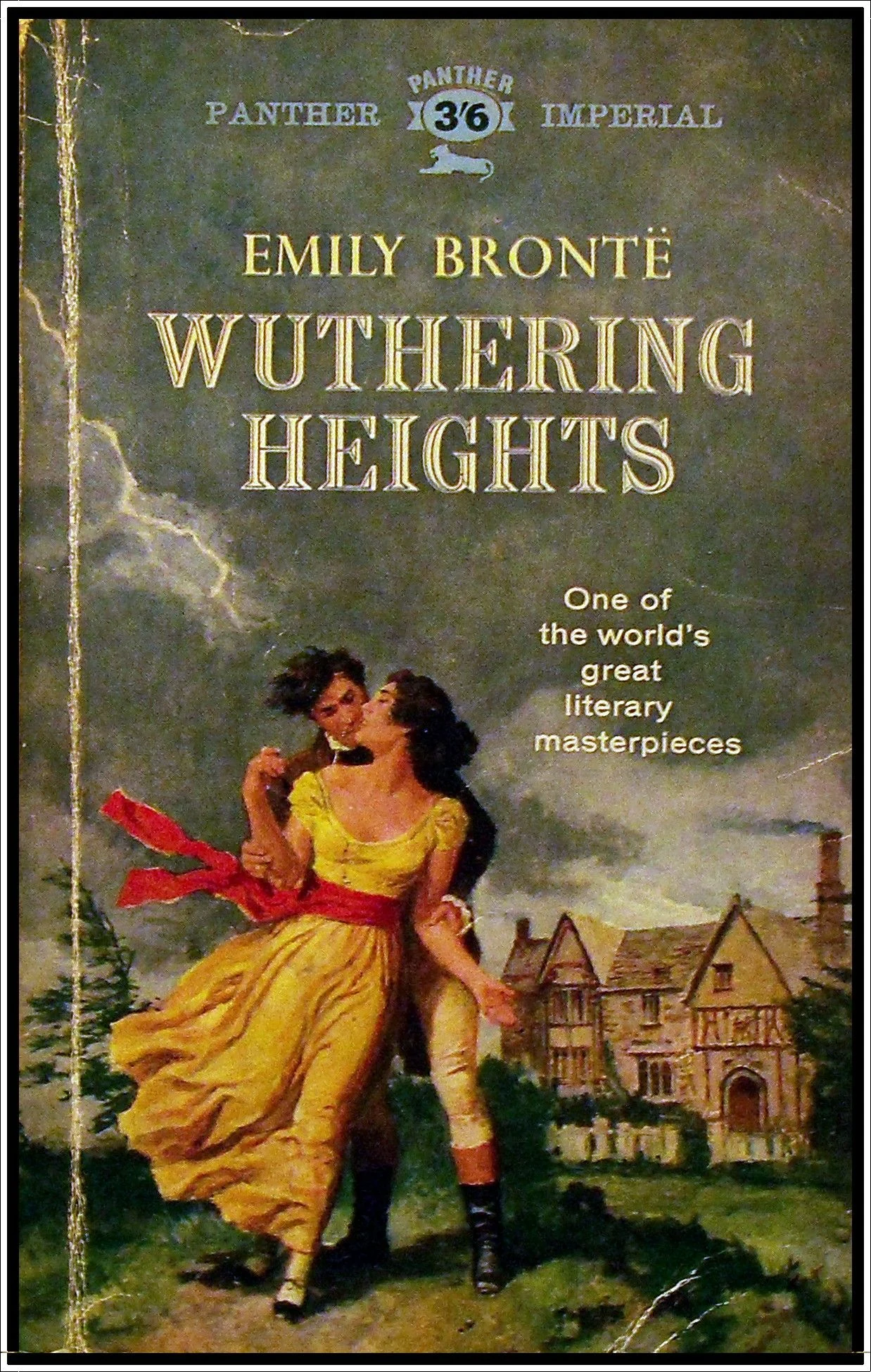
Wuthering Heights by Emily Brontë: A Pillar of British Literary Heritage
About the Book
"Wuthering Heights" is Emily Brontë's sole novel, and it stands as one of the most revered and intense works of English literature. Published in 1847 under the pseudonym Ellis Bell, this masterpiece delves deeply into the themes of passion, vengeance, and the supernatural, etching an indelible mark on British literary heritage.
Summary
"Wuthering Heights" is a fiercely passionate narrative centred around the tumultuous and almost demonic love between Catherine Earnshaw and Heathcliff. Heathcliff, a foundling taken in by Catherine's father, grows up alongside Catherine but remains an outsider due to his mysterious origins. Their bond evolves into a love that defies societal norms, yet it is marked by destructive tendencies. Following Catherine's tragic death, Heathcliff’s unrelenting desire for vengeance wreaks havoc upon both the Earnshaw and Linton families, leading to a darkly riveting conclusion.
Context and Authorship
The creation of "Wuthering Heights" is as enigmatic as its storyline. Emily Brontë, one of the three Brontë sisters, was born on 30 July 1818, in Thornton, West Yorkshire. She lived a largely reclusive life, deeply attached to her family and the Yorkshire moors that inspired the setting of her novel. Despite the harsh criticism it received upon release for its stark portrayal of human emotions and its unconventional structure, the book has since been recognised as a groundbreaking piece—showcasing Brontë's profound literary prowess.
Success and Legacy
Initially misunderstood, "Wuthering Heights" has grown to be lauded for its innovation and emotional depth. Its non-linear narrative structure and the complex nature of its characters were ahead of its time, inspiring countless subsequent works and adaptations across various media.
The novel's greatest contribution to British legacy lies in its raw exploration of human nature. Emily Brontë's unflinching depiction of passion and revenge challenges readers to reflect on the darker facets of love and the human psyche. This, combined with her poetic use of language and the eerie atmosphere of the Yorkshire moors, cements "Wuthering Heights" as an essential piece of British literature.
The book's continual reissue, study in academic circles, and adaptation into films, plays, and operas underscore its enduring influence. Modern readers are fascinated by its timeless themes and the power of Brontë's storytelling.
For those interested in experiencing this cornerstone of British literature, "Wuthering Heights" is widely available for purchase. One can find it on Amazon here.
In summation, "Wuthering Heights" is more than just a novel; it is a compelling exploration of the extremities of love and revenge, captured through the unique lens of Emily Brontë. Its position in the annals of British literary heritage is firmly secured, continuing to inspire and provoke thought among readers worldwide.