
Before she became the first woman to edit The Economist, Zanny Minton Beddoes had worked on economic adjustment programmes at the International Monetary Fund and advised Poland’s finance minister. She joined the magazine in 1994 as its emerging-markets correspondent, then took on senior editorial roles covering economics, business, finance and science. Her career has connected reporting with the institutions and policies that shape economies.
Education and early policy work
Minton Beddoes was born in Shropshire in July 1967. She attended Moreton Hall School near Oswestry and studied philosophy, politics and economics at St Hilda’s College, Oxford, where she received a BA. She continued her studies at Harvard University’s Kennedy School as a Kennedy Scholar from 1989 to 1990; the supplied biographical account identifies her qualification there as an MPA.
After graduating, she joined a group led by Harvard professor Jeffrey Sachs advising Poland’s minister of finance. In 1992, she moved to the International Monetary Fund, where she spent two years as an economist. Her work included macroeconomic adjustment programmes in Africa and in the transition economies of Central and Eastern Europe. These roles gave her experience of policy questions that would recur in her journalism: how governments respond to economic pressures, and how reforms affect countries at different stages of development.
Reporting and editing at The Economist
In 1994, Minton Beddoes joined The Economist as its emerging-markets correspondent, based in London. In 1996 she became economics editor, overseeing global economics coverage from Washington, DC. She later moved into the role of business affairs editor, with responsibility for business, finance and science. The sequence took her from reporting on particular markets to editing coverage across a wide range of economic and commercial subjects.
On 2 February 2015, she became the magazine’s 17th editor-in-chief and the first woman to hold the position. She is also a member of the board of directors of The Economist Group. Her appointment followed two decades at the publication, including work as a correspondent and responsibility for major areas of its coverage.
Her writing has addressed the world economy, Latin American and global finance, Central Asia, the American economy and international financial policy. She has also written about the enlargement of the European Union, the future of the IMF and economic reform in emerging economies. Beyond The Economist, she has published in Foreign Affairs and Foreign Policy, contributed chapters to conference volumes and edited Emerging Asia, a 1997 Asian Development Bank book on the future of emerging markets in Asia.
Economic debate beyond the magazine
Minton Beddoes has taken part in public discussion of economic policy as well as newsroom work. In May 1998, she gave expert testimony on the introduction of the euro to a United States House subcommittee concerned with international monetary policy and trade. It was a formal opportunity to explain an important development in monetary affairs to legislators.
In 2010, she joined Peter Orszag and Alan Blinder at Princeton University for a discussion titled “How Did We Get Into this Mortgage Mess, and How Do We Get Out?” Two years later, she delivered the 28th Annual Max Rosenn Lecture, speaking on “Stress-Testing America’s Prosperity”. The subjects of these appearances reflected her established interests in financial policy and economic risk.
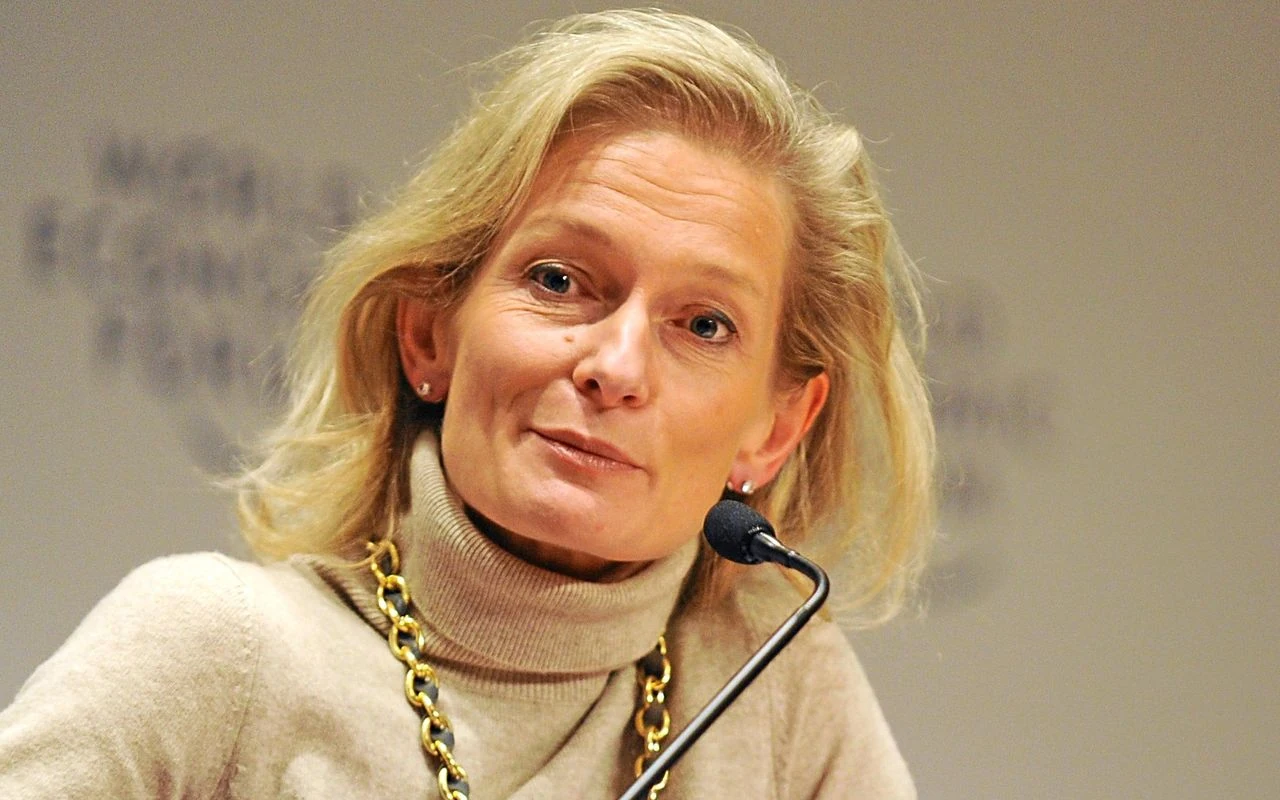
She has been a regular commentator on Marketplace and other public radio programmes. Her television appearances have included the BBC World Service, CNN, PBS NewsHour, CNBC and NBC, as well as other programmes. The supplied account also records her presence at the World Economic Forum in 2013. These activities extended her work beyond readers of the magazine, although the available evidence does not establish the scale or particular effects of that wider reach.
The imported article describes her as an advocate of globalisation, free trade and technological innovation, and highlights her reporting on the Eurozone crisis and the economic aftermath of the 2008 financial crisis and COVID-19. It does not provide examples that substantiate the descriptions of her editorial stance, individual scoops or personal influence on those subjects, so those claims cannot be presented as established here.
Awards and professional roles
Minton Beddoes received the Gerald Loeb Award for Commentary in 2012 and the award for Breaking News in 2017. The two awards recognise different forms of journalism. In 2015, Debrett’s 500 described her as one of the most influential voices in financial journalism.
Her professional work has also included service as a trustee of the Carnegie Endowment for International Peace and membership of the Research Advisory Board of the Committee for Economic Development. In 2015, she was among the invitees to the 63rd Bilderberg conference, an invitation-only meeting described in the supplied account as a forum for informal discussion of world issues.
Why Zanny Minton Beddoes deserves a place in British Legacy
Minton Beddoes’s place in British Legacy is grounded in a clear achievement in British journalism: in 2015 she became the first woman to lead The Economist. She reached the editorship after more than two decades at the magazine, progressing from emerging-markets correspondent to economics editor and business affairs editor. That path matters because it records both a historic first and the substantial editorial experience behind it. Her responsibilities encompassed economics, business, finance and science, while her writing ranged across international financial policy, economic reform and the future of institutions such as the IMF.
Her career also demonstrates how British journalism can engage with economic questions that cross national borders. Before joining the magazine, she advised Poland’s finance minister and worked at the IMF on programmes in Africa and Central and Eastern Europe. Later, her testimony on the euro, lectures on financial and economic questions, and broadcast appearances took those subjects into settings beyond a newspaper’s pages. The evidence supports a record of reporting, editing and public explanation; it does not justify every claim made in the imported article about the extent of her influence. Even without those larger assertions, her first-of-its-kind editorship and sustained work across policy, journalism and public debate make her a significant figure in modern British media history.
Sources
Adapted in part from Zanny Minton Beddoes by Wikipedia contributors, under CC BY-SA 4.0. Text has been edited and combined with the existing article; this adapted text is shared under the same licence. Contributor history.

.jpg)