As You Like It: A Timeless Gem in the Crown of British Theatre
Written with the brevity of wit and the depth of wisdom, "As You Like It" stands as a paragon of British theatre, written by none other than the prolific William Shakespeare.
Author: William Shakespeare
Original Performance: The earliest recorded performance of "As You Like It" was at Wilton House in 1603, though it is believed to have been performed as early as 1599. The play has graced stages worldwide and remains a vital fixture in the repertoire of numerous esteemed theatres, including the prestigious Globe Theatre in London.
Duration: The performance typically spans between two to three hours, depending on staging and interpretation.
A Synopsis of Pastoral Delight
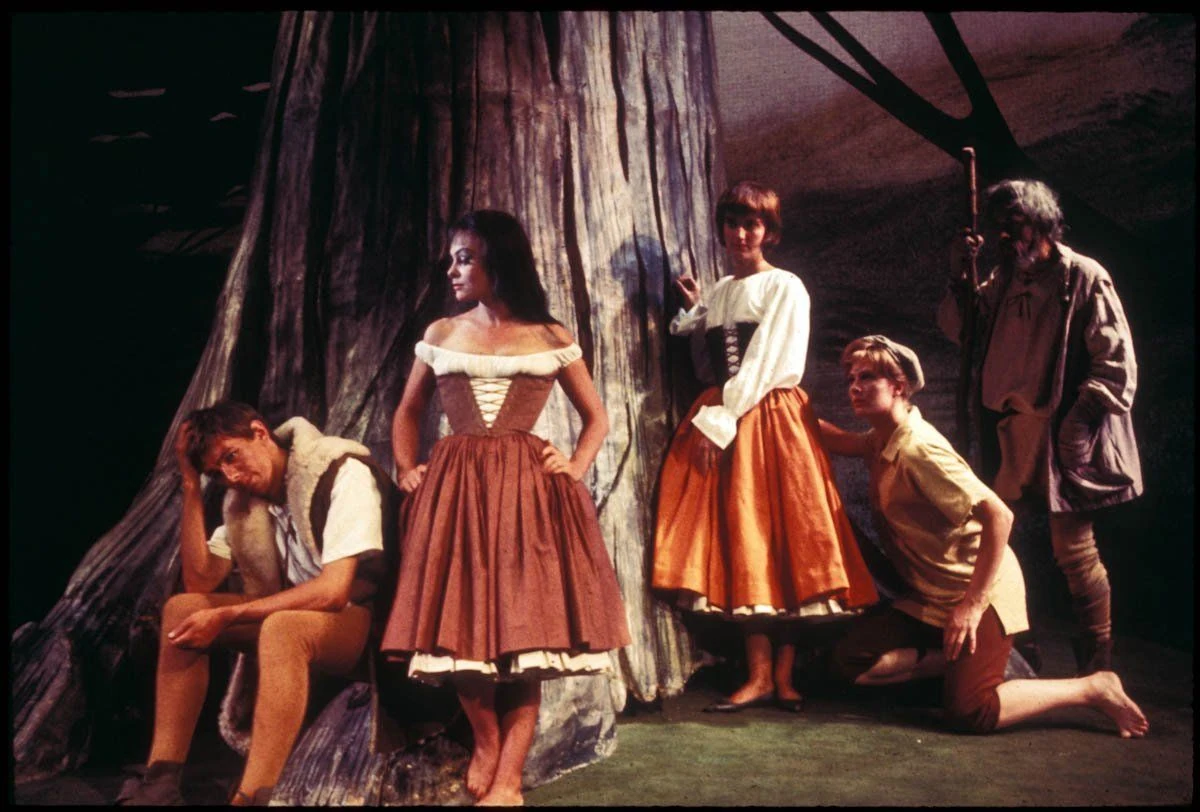
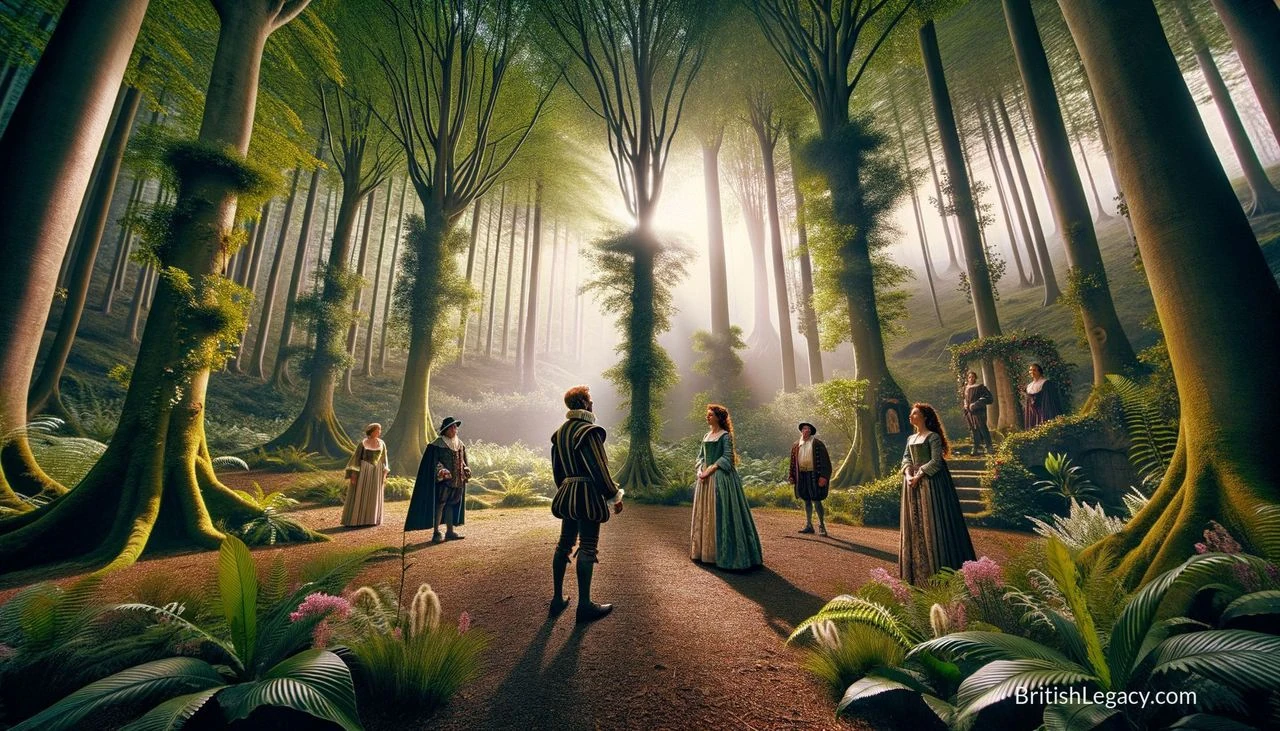
Set against the bucolic backdrop of the Forest of Arden, "As You Like It" weaves a tangled web of love, disguise, and nature. Central to the narrative is Rosalind, the daughter of a banished Duke, who herself is forced into exile by Duke Frederick. Rosalind flees to the Forest of Arden, accompanied by her loyal cousin Celia and the witty jester, Touchstone. To ensure their safety, Rosalind adopts the guise of Ganymede, a young man.
In the forest, Rosalind encounters Orlando, a young nobleman she has fallen in love with. Unbeknownst to Orlando, who too has sought refuge in the forest, Ganymede is actually Rosalind in disguise. Taking advantage of her new identity, Rosalind tests Orlando’s love for her by pretending to be a tutor in the ways of wooing a woman.
The forest becomes a sanctuary for multiple exiles and a setting where Romantic entanglements, philosophical musings, and pastoral harmony come to the fore. Characters such as the melancholy Jaques and the rustic shepherds play their parts in this comedy, enriching the tapestry of the play with their unique perspectives on life and love.
The narrative culminates in a joyful revelation of identities, reconciliations, and a series of marriages, bringing harmony and jubilation to the foreground.
Historical and Cultural Context
"As You Like It" is often celebrated for its vivid portrayal of pastoral life, an idealised vision of rural existence that was a popular form in Elizabethan literature. The Forest of Arden, both a literal and metaphorical space, allows characters to escape societal constraints and explore their identities more freely. Shakespeare may have been inspired by the Ardennes Forest in France or the Arden area near his hometown of Stratford-upon-Avon.
Themes of disguise, gender roles, and transformation are vital elements of the play, with Rosalind’s cross-dressing and manipulation of romantic conventions offering insightful commentary on rigid societal norms. This comedy reveals Shakespeare's deep understanding of human nature and his skill in creating characters that embody universal truths.
Contribution to British Legacy
"As You Like It" is more than just a comedic play; it is a cornerstone of British cultural heritage. The play's exploration of themes such as love, freedom, and identity continues to resonate with audiences centuries after it was first written. Shakespeare's masterful use of language, wit, and humour has made this play a treasured piece in the canon of British literature.
Educational institutions across Britain and the world teach "As You Like It" as a quintessential example of Shakespearean comedy and Elizabethan theatre. Its influence extends beyond literature and drama, permeating various forms of media, adaptations, and interpretations, thereby enriching global cultural discourse.
Global Impact
"As You Like It" has left an indelible mark on international theatre. It has been adapted into numerous languages and performed in diverse cultural contexts, testifying to its universal appeal. The play's adaptability speaks to the timeless nature of its themes and the enduring relevance of Shakespeare's insights into the human condition.
Wrap-Up
"As You Like It," with its enchanting characters, profound themes, and pastoral charm, remains a testament to the brilliance of William Shakespeare and the rich tapestry of British theatre. Its continuous revival on stages around the globe underscores its significance and enduring popularity, solidifying its status as a cherished part of Britain's artistic legacy.
This play not only celebrates the creativity and literary prowess of the Elizabethan era but also continues to inspire and delight audiences, securing its place in the annals of the world's cultural and theatrical heritage.