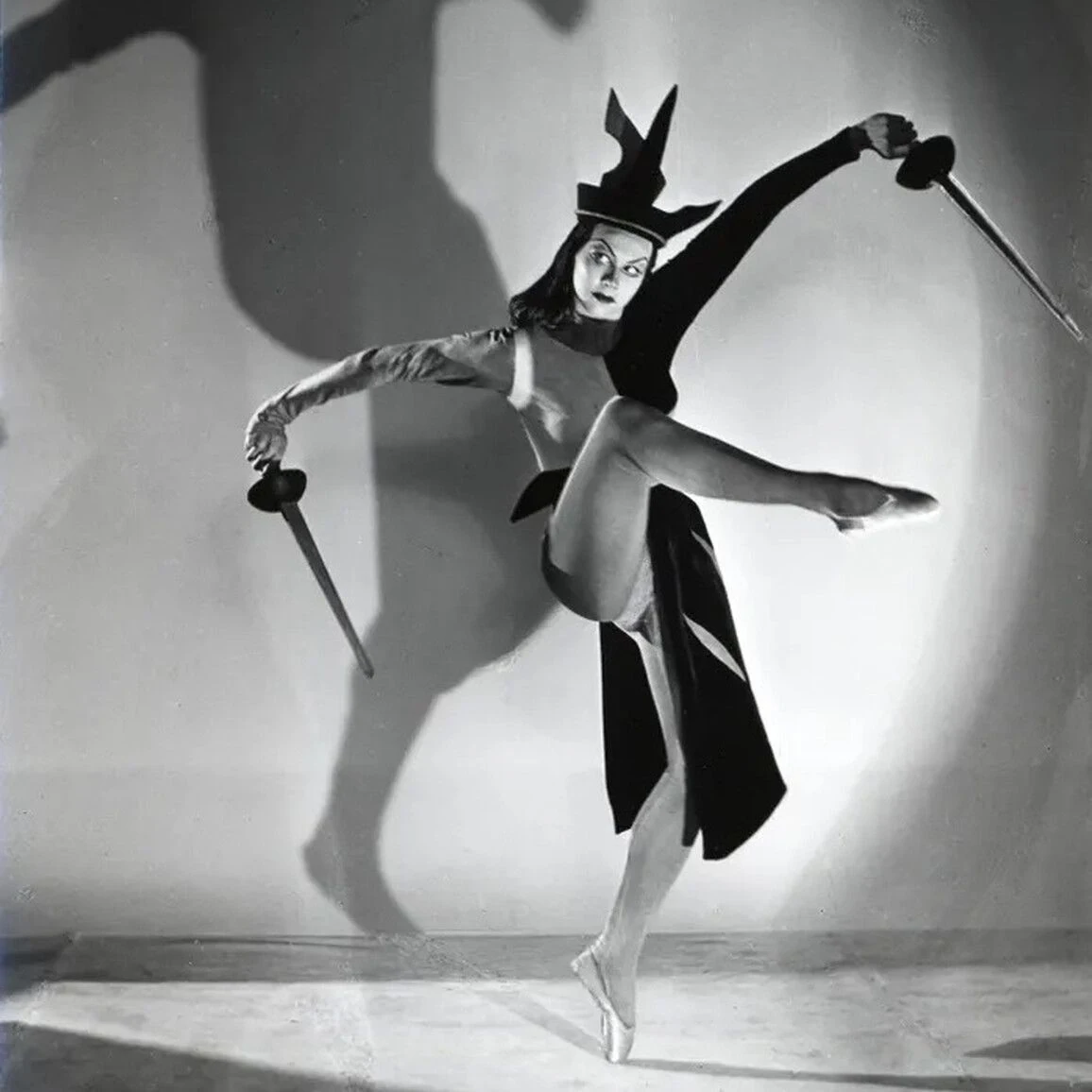
Beryl Grey: Britain's Prima Ballerina with a Timeless Legacy
In the pantheon of British cultural icons, few figures encapsulate the elegance, discipline, and artistic prowess of Beryl Grey. As prima ballerina with the Royal Ballet, Grey's name is synonymous with grace, technical precision, and a commitment to the art form that has left an indelible mark on the world of ballet and beyond. Her legendary performances in classical masterpieces such as "Swan Lake" and "The Sleeping Beauty" are etched in the annals of British heritage, contributing to the nation's rich artistic legacy and extending its influence globally.
Early Years and Ascendancy to Stardom
Born on 11 June 1927 in London, Beryl Grey's journey into the world of ballet began at a tender age. Her prodigious talent was evident from early on, and by the age of ten, she had won a scholarship to the prestigious Sadler's Wells Ballet School, now known as the Royal Ballet School. Under the tutelage of some of the era's finest mentors, Grey's exceptional technique and expressive capabilities flourished.
At just 14 years old, Grey joined the Sadler's Wells Ballet Company (later named The Royal Ballet), achieving a remarkable feat by becoming the youngest dancer to take on lead roles in major productions. Her portrayal of Odette/Odile in "Swan Lake" at the age of 15 marked the beginning of a remarkable career, setting the stage for her to become one of Britain's most celebrated ballerinas.
Iconic Performances and Global Recognition
Grey's interpretations of classic roles in "Swan Lake" and "The Sleeping Beauty" remain quintessential performances that are often referred to in both British and international ballet circles. Her embodiment of Princess Aurora and Odette/Odile was revered for its lyricism, emotive power, and technical excellence. Critics and audiences alike were entranced by her ability to marry the demanding physicality of ballet with an ethereal beauty that brought these timeless stories to life.
Her impact, however, extended far beyond the United Kingdom. In the early 1950s, Grey became the first Western ballerina to perform with the Bolshoi Ballet in Moscow, breaking ground and fostering cultural exchange during a period marked by the Cold War. Her performances in the Soviet Union were met with great acclaim, further cementing her status as a global ambassador for British ballet.
A Legacy of Leadership and Mentorship
Beyond her distinguished performing career, Grey's commitment to nurturing the next generation of dancers has further solidified her legacy. After retiring from the stage, she took on several directorial roles, including Artistic Director of London Festival Ballet (now English National Ballet). Under her guidance, the company flourished, and she played a pivotal role in elevating the status of British ballet on the international stage.
Her contributions have been recognised with numerous accolades, including a Damehood in 1988 for her services to dance. Grey's dedication to the art form is also reflected in her extensive work as a mentor, guiding young dancers with the same passion and rigour that defined her own career.
Enduring Influence and Cultural Impact
Beryl Grey's legacy is woven into the fabric of British cultural history, embodying qualities that resonate with the indomitable spirit of the nation—resilience, innovation, and a pursuit of excellence. Her work has had a profound impact, inspiring countless dancers, choreographers, and ballet enthusiasts around the world.
Through her groundbreaking performances, leadership roles, and unwavering dedication, Dame Beryl Grey has not only preserved the rich traditions of ballet but has also propelled it forward, ensuring its relevance and vitality for future generations. Her life and career stand as a testament to the power of the arts to transcend boundaries and unite people through the universal language of dance.
In celebrating the achievements of Beryl Grey, we honour a luminary whose influence continues to shape the great British legacy, a beacon of artistic brilliance that shines brightly on the global stage.
This article aims to provide a compelling and insightful overview of Beryl Grey's contributions to British heritage, her impact on the world of ballet, and her lasting influence on the global cultural landscape.