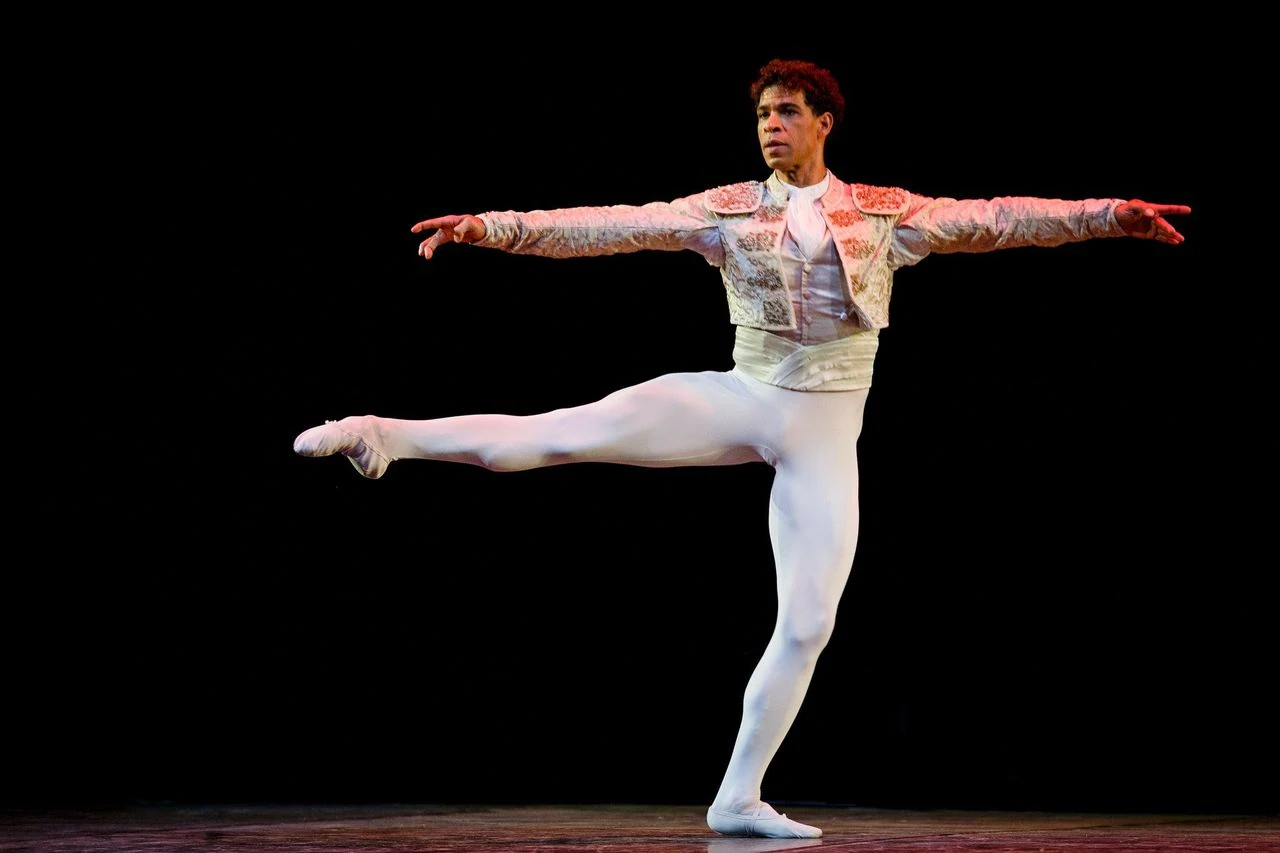
Birmingham Royal Ballet began as a sister company at Sadler’s Wells and became a Birmingham institution after relocating there in 1990. Its history links the development of ballet in London with the creation of a major company outside the capital. Today, its repertoire brings well-known classics together with work by successive generations of choreographers, while its Birmingham base includes performance and rehearsal facilities.
From Sadler’s Wells to Birmingham
The company’s origins lie in the ballet organisation established by Ninette de Valois. In 1946, when the original Sadler’s Wells Ballet moved to the Royal Opera House at Covent Garden, a sister company was formed to continue performances at Sadler’s Wells. It was called the Sadler’s Wells Theatre Ballet, and its first artistic director was John Field.
The two companies’ identities changed over time. A royal charter was granted to both companies and the school in 1956; the sister company became the Sadler’s Wells Royal Ballet, alongside the Royal Ballet and the Royal Ballet School. It returned to Sadler’s Wells Theatre in 1970 while continuing to tour. The company’s move to Birmingham followed an invitation in 1987 to become resident at the Birmingham Hippodrome. It relocated in 1990 and took the name Birmingham Royal Ballet.
Sir Peter Wright was artistic director from 1977 until his retirement in 1995. David Bintley succeeded him. In 1997, the Birmingham company became independent of the Royal Ballet and ceased to be managed by the Royal Opera House. That change marked a further step in its development as a distinct institution, rather than simply a touring branch of a London organisation.
A home and a repertoire
The Birmingham Hippodrome is the company’s principal venue in the city. Its facilities also include purpose-built dance studios, the Patrick Centre studio theatre and the Jerwood Centre for the Prevention and Treatment of Dance Injuries. The combination of a major public stage and dedicated working spaces gives the company a settled base for performance, rehearsal and the practical demands of dance.
Its repertory connects the familiar titles of classical ballet with a broader range of works. Swan Lake, The Sleeping Beauty and Giselle sit alongside pieces by choreographers including Frederick Ashton, Kenneth MacMillan, George Balanchine and David Bintley. Ashton’s works in the repertory include La Fille Mal Gardée and Symphonic Variations; Bintley’s include Carmina Burana, Hobson’s Choice and Still Life at the Penguin Cafe.
The range is not confined to story ballets or to one musical tradition. The company has performed works set to music by composers from Tchaikovsky and Stravinsky to Edward Elgar, William Walton and Duke Ellington. Its repertory also includes works such as Twyla Tharp’s In the Upper Room and Hans van Manen’s Five Tangos. This mixture of established productions and different choreographic and musical voices gives audiences more than one route into ballet.
Artists, leadership and public access
Birmingham Royal Ballet’s artistic and musical work is supported by its dancers, staff and orchestra, the Royal Ballet Sinfonia. Its ranks include artists at different stages of a company career, from apprentices and the younger performers of BRB2 to soloists and principals. A formal structure of this kind supports both the staging of large-scale repertory and the development of dancers within the company.
Carlos Acosta succeeded Bintley as artistic director in January 2020. A former dancer with the Royal Ballet, he brought a new leadership chapter to a company whose artistic direction had previously passed from Wright to Bintley. Paul Murphy is the music director, and the orchestra’s presence links the company’s stage work to live musical performance.
The company’s work also extends beyond performances in the theatre. Its learning and participation programmes work with schools, local groups and young dancers. Dance Track is one of the initiatives identified with its effort to find young dance talent. Such activity offers a route into ballet for people beyond the professional company and its established audiences, and gives the company a role in the cultural life of its local communities.
Touring has been part of the company’s history since its years at Sadler’s Wells, when it travelled in Britain and abroad. Its relocation did not erase that wider reach: performances in Birmingham sit within a history of presenting work to audiences elsewhere. That balance between a rooted home city and activity beyond it is central to the company’s character.
Why Birmingham Royal Ballet deserves a place in British Legacy
Birmingham Royal Ballet deserves a place in British Legacy because its story shows how a national cultural tradition can develop beyond London without severing its historical roots. Formed as the Sadler’s Wells Theatre Ballet in 1946, it grew from the same post-war ballet landscape that produced the Royal Ballet. Its move to Birmingham in 1990 gave the city a resident major ballet company, and its independence from the Royal Ballet in 1997 established a distinct institutional identity. These changes matter not only as milestones in one company’s history, but as evidence of a lasting cultural presence built around a regional home.
Its contribution is also visible in the work it performs and the people it reaches. A repertory encompassing Swan Lake, Giselle, Ashton, MacMillan, Balanchine and Bintley preserves and renews different strands of ballet, while works set to music from Tchaikovsky to Ellington show the form’s breadth. The Birmingham Hippodrome, purpose-built studios and the Jerwood Centre support the practical life of the company; its learning programmes and Dance Track connect that work with schools, local groups and young dancers. Taken together, these are specific ways in which a British ballet institution sustains performance, training, access and cultural life in its home city while maintaining a history of touring.
Sources
Birmingham Royal Ballet — Wikipedia revision 1371098989
Adapted in part from Birmingham Royal Ballet by Wikipedia contributors, under CC BY-SA 4.0. Text has been edited and combined with the existing article; this adapted text is shared under the same licence. Contributor history.