The Majestic Buckingham Palace: A Pillar of British Legacy
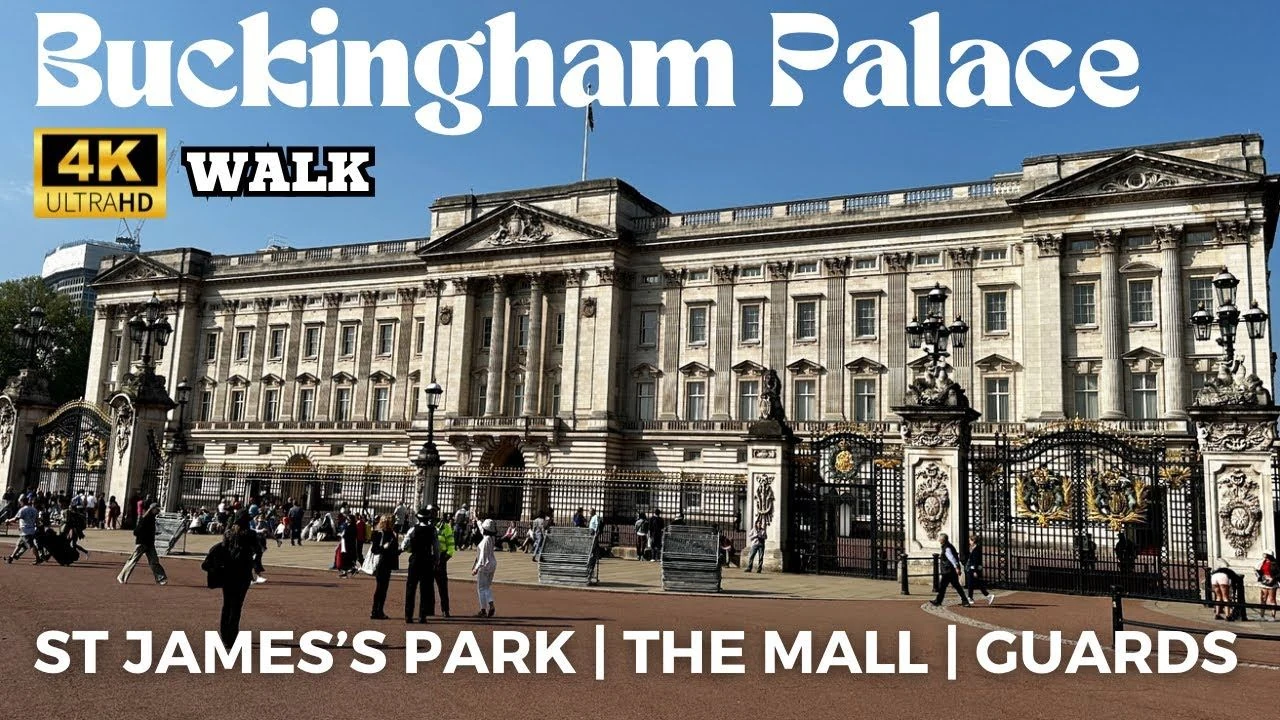
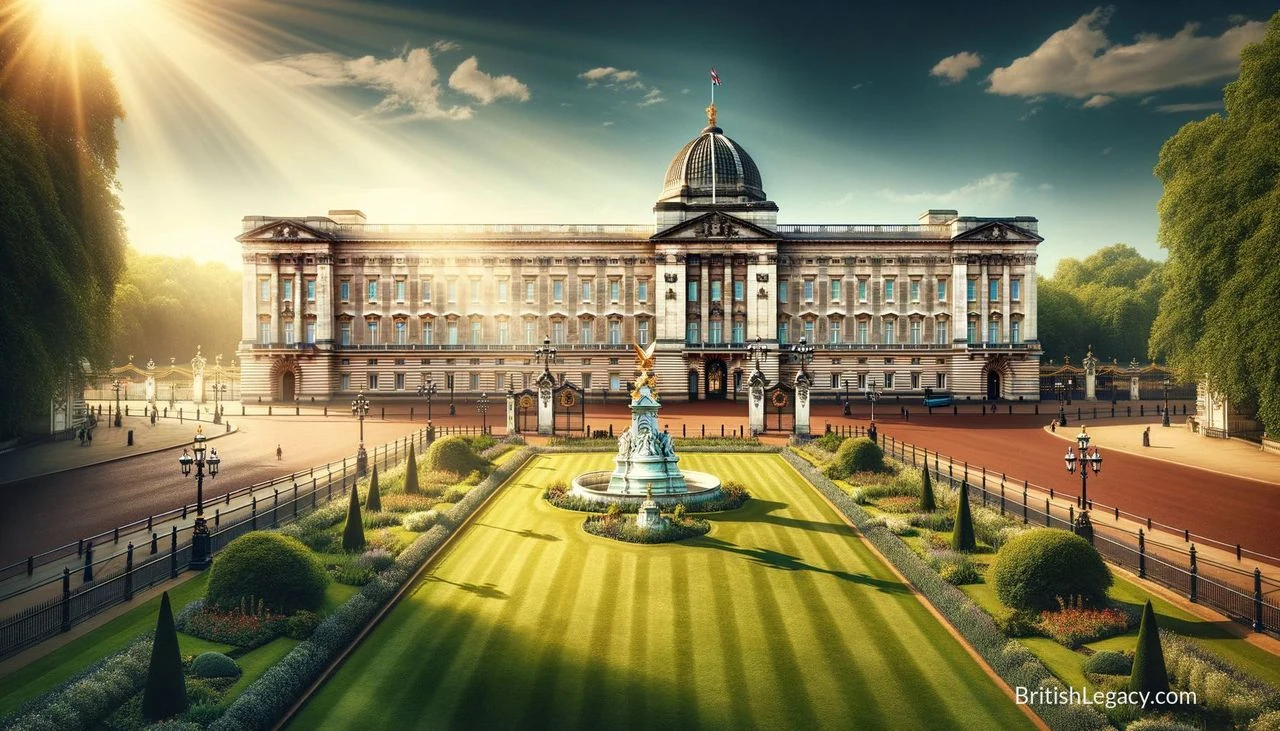
Nestled in the heart of London, Buckingham Palace stands as an iconic symbol of the British monarchy, a marvel of architecture, and a focal point of national celebrations. More than just the official residence of the British monarch, it is a monumental edifice embodying the rich heritage, historical evolution, and global influence of Britain. Let's delve into the grandeur and significance of Buckingham Palace to uncover its indelible contribution to the British legacy.
A Historical Glance: From Modest Beginnings to Royal Magnificence
The story of Buckingham Palace starts in 1703 when it was originally built as Buckingham House for the Duke of Buckingham. Architect William Winde designed it as a large townhouse before it was eventually acquired by King George III in 1761 for Queen Charlotte, earning it the nickname "The Queen's House." However, it wasn't until the reign of Queen Victoria in 1837 that Buckingham Palace formally became the official royal residence.
Throughout the 19th and 20th centuries, prominent architects such as John Nash and Edward Blore enlarged the palace, adding the east front which includes the well-known balcony. From this very balcony, the royal family greets crowds on pivotal occasions, symbolising the unity between the monarchy and its people.
Architectural Elegance and Splendour
Buckingham Palace is a testament to neoclassical architecture, boasting a blend of sumptuous materials and grandiose designs. Its 775 rooms include 19 state rooms, 52 royal and guest bedrooms, 188 staff bedrooms, 92 offices, and 78 bathrooms. Each state room exudes opulence, adorned with exquisite artworks, tapestries, and historical furniture, transforming them into venues for official events, ceremonies, and banquets.
The changing of the guard ceremony, held in the forecourt of Buckingham Palace, is a quintessential British tradition attracting throngs of tourists. This meticulously choreographed event exemplifies the pageantry associated with the British military and monarchy.
Epicentre of National and Global Events
Beyond its architectural allure, Buckingham Palace is deeply ingrained in British culture as the epicentre of national celebrations. From jubilees to royal weddings, it serves as a gathering point for public festivities and state functions. The annual Trooping the Colour, celebrating the sovereign’s official birthday, and the formal state banquets hosted for visiting dignitaries, underscore its role in British ceremonial life.
Moreover, the Palace plays a critical part during crises. During WWII, it survived multiple bombing raids, symbolising resilience and fortitude. The choice of the royal family to remain at the palace during such tumultuous times became a powerful source of national morale.
A Beacon of Heritage and Diplomacy
Globally, Buckingham Palace is a beacon of British heritage and diplomacy. It acts as a residence where the monarch receives and entertains foreign leaders, fostering international relations and showcasing British culture. Tens of thousands of guests are welcomed annually through investitures, garden parties, and state visits, bridging connections worldwide.
The Palace stands not merely as a residence, but as a symbol of continuity, bridging the past with the present. It is a living museum, where history meets the modern era, and tradition merges seamlessly with contemporary duties.
Public Engagement and Modern Relevance
In recent years, Buckingham Palace has embraced its role in the digital age, offering virtual tours and maintaining an active online presence. This modern approach allows people globally to appreciate its historical treasures and understand its significance even if they can't visit in person.
The palace plays an educational role too, enhancing public understanding of the British monarchy and its functions. Through various exhibitions and public openings during the summer months, it offers a glimpse into the royal lifestyle while underscoring its commitment to transparency and accessibility.
Wrap-Up
Buckingham Palace is more than just an opulent edifice; it is a monument to British history, resilience, and culture. As the official residence of the British monarch, it symbolises the enduring nature of the British monarchy and stands as a central pillar of national identity. Through its embodiment of tradition, its role in state and public ceremonies, and its influence on international diplomacy, Buckingham Palace continues to shape the British legacy, making it an indispensable chapter in the story of Britain.
So, the next time you find yourself wandering through the vibrant streets of London, pause to admire Buckingham Palace. Appreciate it not just for its architectural magnificence, but for the manifold stories interwoven into its walls – stories of a nation’s past, present, and its unfurling legacy.
This article intended to present Buckingham Palace in a manner accessible and engaging for all readers, blending storytelling with factual richness, while highlighting its unparalleled significance in the grand tapestry of British heritage.