Cardiff Castle’s history is written in layers. A Roman fort stood on the site; the Normans made it a castle; and, centuries later, the Bute family and architect William Burges gave it an elaborate Victorian character. The result is a landmark in the heart of the Welsh capital where traces of military use sit alongside richly decorated interiors.
A Roman fort and a Norman castle
The earliest period described in the castle’s history begins in the first century AD, when the Romans built a fort on the site. The account connects its location with the effort to strengthen Roman control in the region and notes that Roman walls remain visible. Those surviving remains mark the beginning of a long sequence of changes to the site.
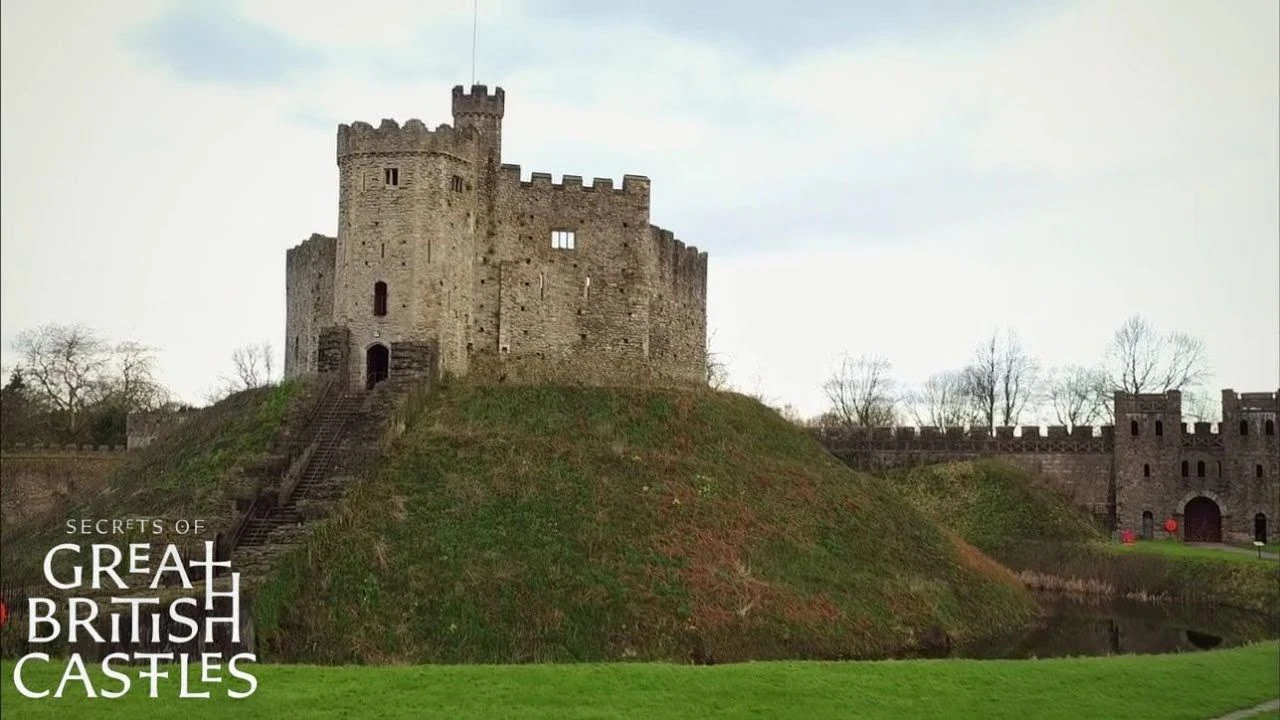
In the 11th century, the Normans transformed it into a fortress. The original castle is described as a motte-and-bailey structure ordered by William the Conqueror: a wooden keep stood on raised earth before being replaced by stone. The Norman Keep is a prominent remnant of this phase. Its military purpose contrasts with the decorative ambitions of the later Victorian work.
The Bute family and William Burges
During the 19th century, the Bute family undertook another major transformation. Under the 3rd Marquess of Bute, Cardiff Castle was reimagined in the Gothic Revival style. The Marquess engaged architect William Burges, whose work shaped the castle’s distinctive interiors.
Painted ceilings, intricate woodwork and stained glass are among the features associated with the redesign. The rooms draw on mythology, history and literature, bringing different themes into the interior decoration. This Victorian layer changed the character of a site previously associated with fortification: the castle came to combine the remains of a stronghold with rooms conceived as elaborate works of design.
A landmark in Cardiff today
Cardiff Castle continues to serve as a venue for public events. The activities described include music concerts, food festivals and historical reenactments, as well as educational tours. These uses place the castle within Cardiff’s cultural life and give visitors ways to encounter its different historical periods.
The site’s significance lies in the distinct phases it brings together: Roman fortifications, a Norman castle and Victorian interiors. Each reflects a change in how the place was used and shaped. The contrast between the defensive remains and Burges’s decorative work is especially clear, while the castle’s public events and tours connect its historic fabric with present-day activity.
Why Cardiff Castle deserves a place in British Legacy
Cardiff Castle deserves a place in British Legacy because it preserves a distinctive record of change within one site. The Roman fort, the Norman motte-and-bailey castle and the later stone keep represent its military history; the Victorian redesign under the Bute family and William Burges added a markedly different architectural purpose. Painted ceilings, woodwork and stained glass make that later chapter visible, while the contrast with the castle’s fortifications helps explain how its character developed over time.
Its location in the Welsh capital is central to its British connection: this is a Welsh landmark whose history forms part of the wider heritage of Britain. Its continuing use for concerts, festivals, reenactments and educational tours also gives the site a present-day public role. Rather than standing for every aspect of British history, Cardiff Castle merits attention for the particular story its layers tell: a Roman beginning, a Norman stronghold and a Victorian transformation, all brought together in a place that remains part of Cardiff’s cultural life.