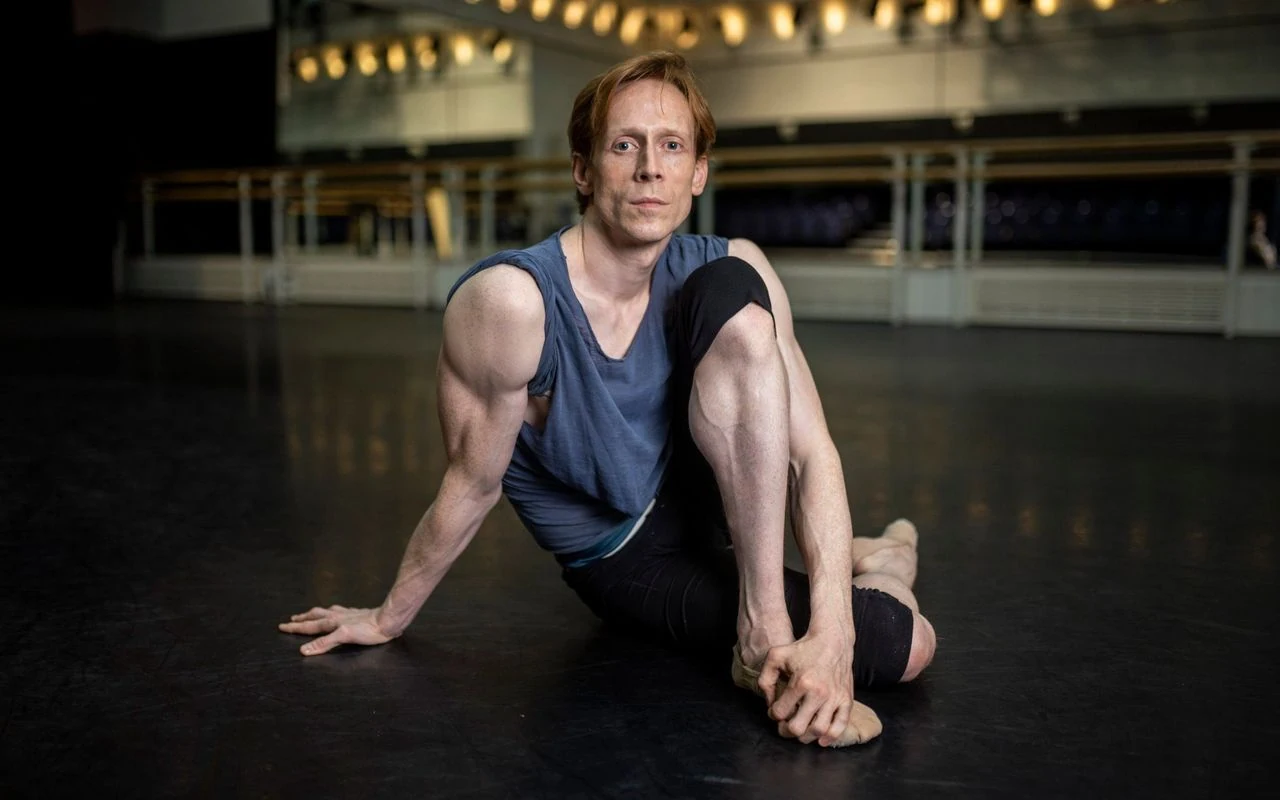
Edward Watson: A Beacon of Contemporary Ballet in British Heritage
In the grand tapestry of British heritage, adorned with formidable figures who have sculpted the cultural and artistic landscapes, Edward Watson shines brilliantly. A principal dancer with the prestigious Royal Ballet, Watson is not just a name synonymous with grace, strength, and unparalleled talent; his contribution embodies an evolution in ballet that resonates worldwide.
Early Beginnings and Ascendancy
Born in Bromley, Greater London, in 1976, Edward Watson's journey into the realms of extraordinary began early. Enrolling in the Royal Ballet School at a tender age of 11, Watson's progression was marked with rigorous training, relentless perseverance, and an innate flair for performing. His exceptional dedication and talent soon saw him joining the Royal Ballet itself, a dream cherished by many but achieved by few.
Coronation as Principal Dancer
Watson’s artistry and technical prowess blossomed in no time, leading to his promotion as a principal dancer in 2005. His distinctive style – a harmonious blend of classic elegance and contemporary dynamism – set him apart. Watson’s interpretative versatility and emotive performances have ensnared audiences both in the UK and globally, cementing his status as a paragon of modern ballet.
Panache in Contemporary Roles
While Watson has gracefully essayed numerous classical ballet roles, his signature lies in contemporary ballet. His hypnotic performances in ground-breaking productions have consistently challenged and expanded the boundaries of traditional ballet, bringing it to new heights. Watson’s collaboration with the acclaimed choreographer Wayne McGregor is particularly notable and has significantly impacted contemporary dance.
Collaboration with Wayne McGregor
Wayne McGregor, a luminary in the modern dance arena, has found an unmatched muse in Watson. Together, their synergy has resulted in some of the most innovative and profound works in dance history. Pieces such as "Chroma," "Infra," and "Woolf Works," demonstrate Watson’s extraordinary ability to embody complex narratives, transcend conventional ballet, and breathe life into McGregor's abstract and conceptual choreographic visions. Their collaborations have redefined contemporary ballet, bringing a fresh, intellectually stimulating dimension to the art form.
Legacy and Impact on British Heritage
Edward Watson’s contributions to the Royal Ballet and the wider dance community extend far beyond his exceptional performances. He stands as a beacon for aspiring dancers, demonstrating that the spirit of innovation and tradition can coalesce to create timeless art. Watson’s journey and achievements embody the quintessence of perseverance, creativity, and excellence inherent in British heritage.
The influence of Watson’s artistry ripples across the globe, inspiring new generations of dancers and choreographers to push the envelope of classical ballet and embrace the transformative power of contemporary dance. His work has not only elevated the Royal Ballet to greater acclaim but also positioned British ballet at the forefront of the global dance scene.
Conclusion
In the annals of British legacy, Edward Watson’s narrative is both inspiring and transformative. His dedication to the craft, his groundbreaking collaborations with Wayne McGregor, and his role as a principal dancer with the Royal Ballet have cemented his place in the echelons of British cultural heritage. Through his dynamic performances and unwavering commitment to artistic innovation, Edward Watson has left an indelible mark that will continue to influence and inspire the world of dance for generations to come.