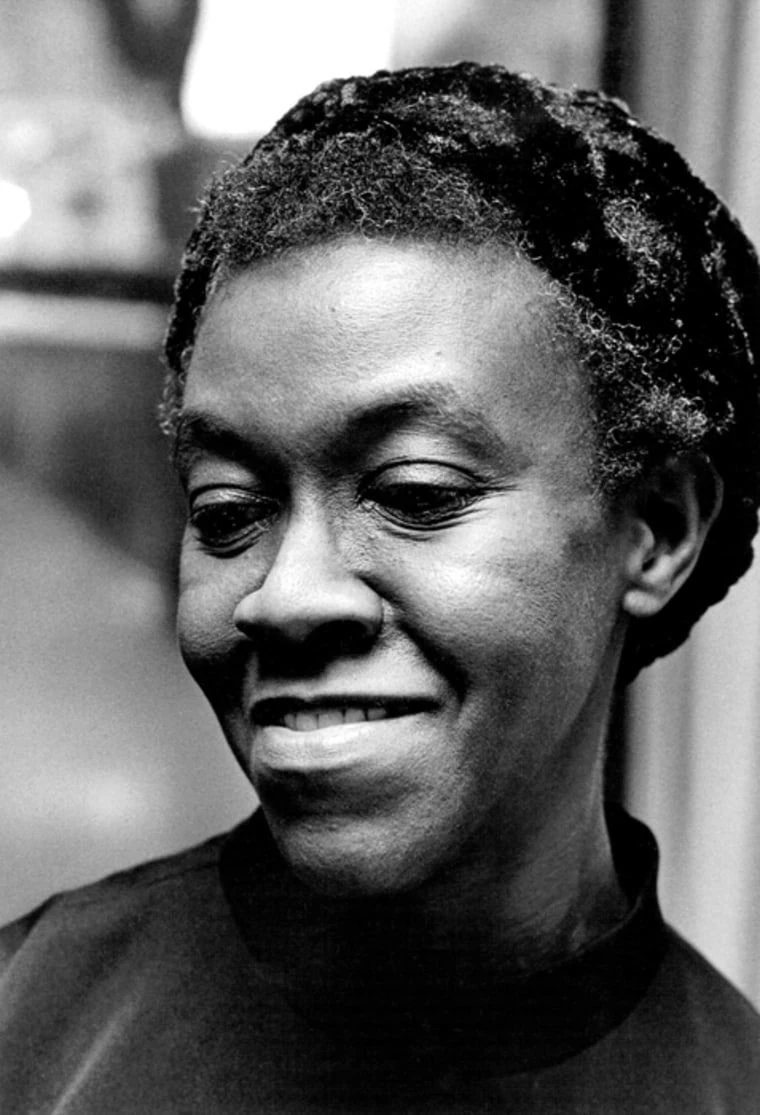
Gwendolyn Brooks: An Unyielding Muse in the British Literary Tapestry
In the rich and varied mosaic of British heritage, few names spark curiosity and admiration quite like Gwendolyn Brooks. Born in the heart of America, her poetic influence bridged the Atlantic, weaving itself into the fabric of British literature and, by extension, the legacy of the United Kingdom's artistic and cultural landscape.
A Brief Portrait of Brooks
Gwendolyn Brooks, born on June 7, 1917, in Topeka, Kansas, quickly rose to become one of the pre-eminent voices in American poetry. Her works, known for their vivid depictions of African American life, defied the norms of her time, speaking to the complexities of identity, struggle, and resilience. Brooks' mastery of verse earned her numerous accolades, including a Pulitzer Prize, making her the first African American to receive the prestigious award.
British Sojourn and Cultural Cross-Pollination
Although Brooks was American by birth, her sojourns to the United Kingdom, and her interactions with British poets and intellectuals, left an indelible mark on the British literary scene. During her visits in the mid-20th century, Brooks engaged with a plethora of British literary figures, bringing with her a fresh perspective infused with the poignant reality of the African American experience.
Her presence in the UK served as a cultural cross-pollination, particularly in an era where Britain was grappling with its own issues of race, identity, and post-colonial society. By introducing British audiences to her powerful narratives and unique poetic style, Brooks acted as a catalyst, encouraging British poets to explore themes of race, social justice, and identity with renewed vigour and empathy.
Influence on British Poets
Brooks’ influence stretched far beyond her published works; it was her personal interactions with British poets that truly cemented her place in the British literary legacy. She connected deeply with the British literary community, inspiring a generation of poets, including the likes of Linton Kwesi Johnson and Grace Nichols, to delve into the complexities of race and cultural identity within their own works.
Her unique blend of lyricism and social commentary showcased the power and potential of poetry as a medium for social change, encouraging British poets to utilise their voices for societal impact. The echoes of her influence can be traced in the thematic evolution of British poetry from the mid-20th century onward, wherein poets began to address more candidly the intricate tapestries of multicultural Britain.
Contribution to the British Legacy
Gwendolyn Brooks' contribution to the British legacy is twofold. Firstly, through her works and personal engagement, she broadened the horizons of British poetry, illustrating how the art form can capture the essence of diverse experiences and spark meaningful discourse. Secondly, her influence helped sow the seeds for a more inclusive and reflective literary community in the UK. Brooks' legacy lives on in the continued efforts of British poets who seek to shine a light on the multifaceted nature of British society.
Her inclusion in the story of British heritage is a testament to the transcultural influence that artists can wield, transcending borders and enriching the cultural landscapes they touch. Brooks' poetry, resonating with the universal themes of humanity, struggle, and resilience, serves as a poignant reminder of the power of words and the interconnectivity of artistic expression.
Wrap-Up
Gwendolyn Brooks may have been an American by birth, but her time in the UK and her profound impact on British poets secure her place in the pantheon of great influences that have shaped the British legacy. Her powerful poetry on African American life and her enthusiastic engagement with the British literary community underscore the enduring, cross-cultural dialogue that is at the heart of artistic creation and cultural heritage. Through her verses and interactions, Brooks left behind a legacy that continues to inspire, challenge, and elevate the British literary canon to this day.