The Phantom of the Opera: An Iconic Staple of British Theatre
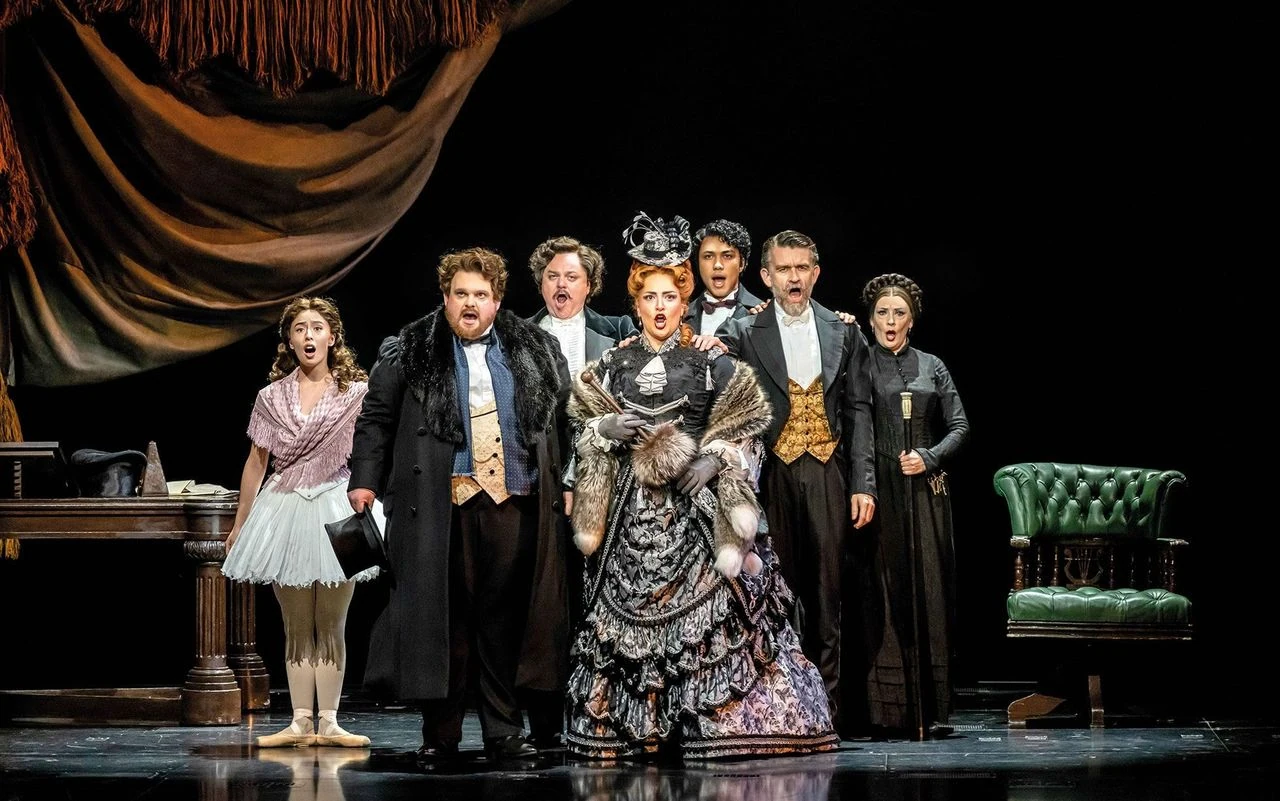
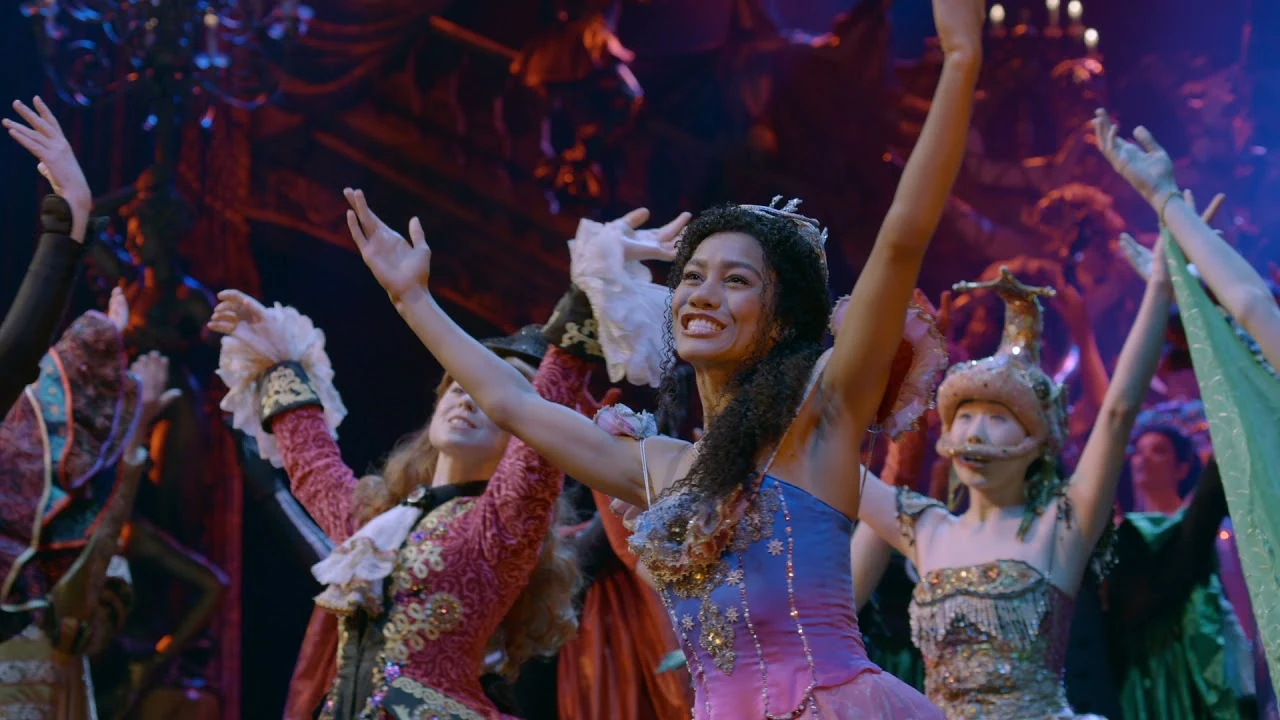
'The Phantom of the Opera' stands as one of the most influential and celebrated pieces in the canon of British theatre. This landmark musical, written by the prodigious composer Andrew Lloyd Webber, first graced the stage of Her Majesty's Theatre in London's West End on 9th October 1986. Since its debut, it has captured the imaginations of audiences worldwide, establishing itself as an unparalleled cultural phenomenon.
The Creative Minds Behind the Masterpiece
Andrew Lloyd Webber, an iconic figure in British musical theatre, is the esteemed composer behind 'The Phantom of the Opera'. Acclaimed for his extraordinary ability to blend memorable melodies with dramatic narratives, Webber collaborated with lyricist Charles Hart and co-lyricist Richard Stilgoe. The original production was directed by Harold Prince, with choreography by Gillian Lynne, bringing to life this haunting and deeply emotional story on the stage.
A Timeless Tale
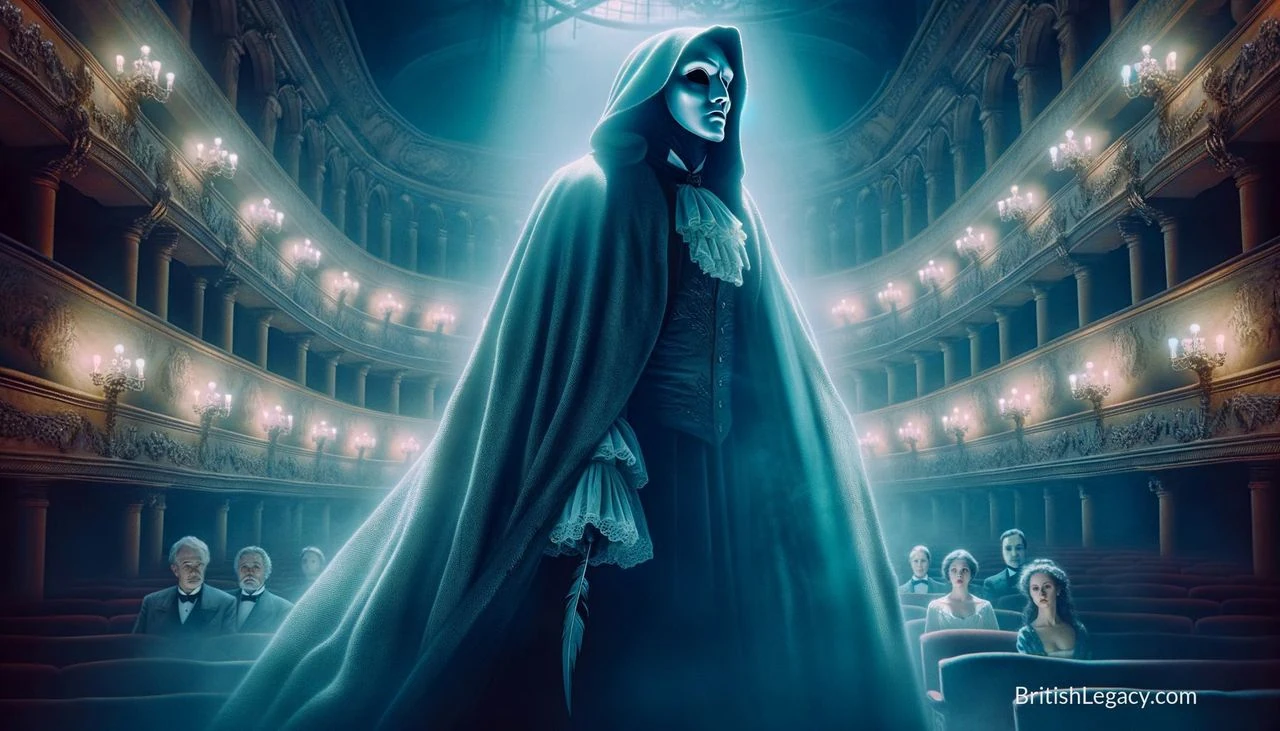
Set against the opulent backdrop of the Paris Opera House, 'The Phantom of the Opera' tells the story of a mysterious masked figure known only as the Phantom. This enigmatic character, who dwells in the hidden catacombs beneath the opera house, falls hopelessly in love with Christine Daaé, a beautiful and talented young soprano. The Phantom, portrayed as a tragic anti-hero, goes to great lengths to nurture Christine's singing talent, even as he spirals into obsessive and dangerous behaviour.
Christine, initially unaware of her benefactor’s true identity, finds herself caught between the Phantom’s dark allure and her love for the noble Raoul, the Vicomte de Chagny. As the Phantom's grip tightens, the opera house is beset by a series of increasingly terrifying events, culminating in a dramatic confrontation that lays bare the tortured soul of the Phantom.
Background and Inspiration
Andrew Lloyd Webber drew inspiration from the 1910 novel 'Le Fantôme de l'Opéra' by Gaston Leroux. The tale of mystery, romance, and gothic horror provided a rich foundation upon which Webber constructed his musical narrative. The sumptuous score, featuring iconic songs such as "The Music of the Night," "All I Ask of You," and the titular "The Phantom of the Opera," has become synonymous with grandeur and emotion.
Contributions to British Legacy and Worldwide Theatre
'The Phantom of the Opera' has made indelible contributions to British legacy, solidifying Andrew Lloyd Webber's reputation as a titan of musical theatre. Its influence stretches far beyond the confines of the West End. With productions staged in numerous countries, translated into multiple languages, this musical has become a global phenomenon, resonating with audiences from all walks of life.
The show has won numerous awards, including the prestigious Laurence Olivier Award and the Tony Award for Best Musical, reinforcing its status as a seminal work in the annals of theatre history. Moreover, its longevity is perhaps its most remarkable achievement—continuously running in the West End for over three decades, it demonstrates an enduring appeal and a testament to its timeless allure.
Wrap-Up
'The Phantom of the Opera' is more than just a musical; it is a cultural beacon of British theatre. Its tale of unrequited love, haunting beauty, and tragic longing has left a lasting imprint not only on British heritage but on the world stage. The stirring melodies, unforgettable characters, and monumental production values exemplify the power of musical storytelling at its finest. As it continues to captivate new audiences and inspire generations, 'The Phantom of the Opera' rightfully claims its place as a crowning jewel in the treasure trove of British theatre.