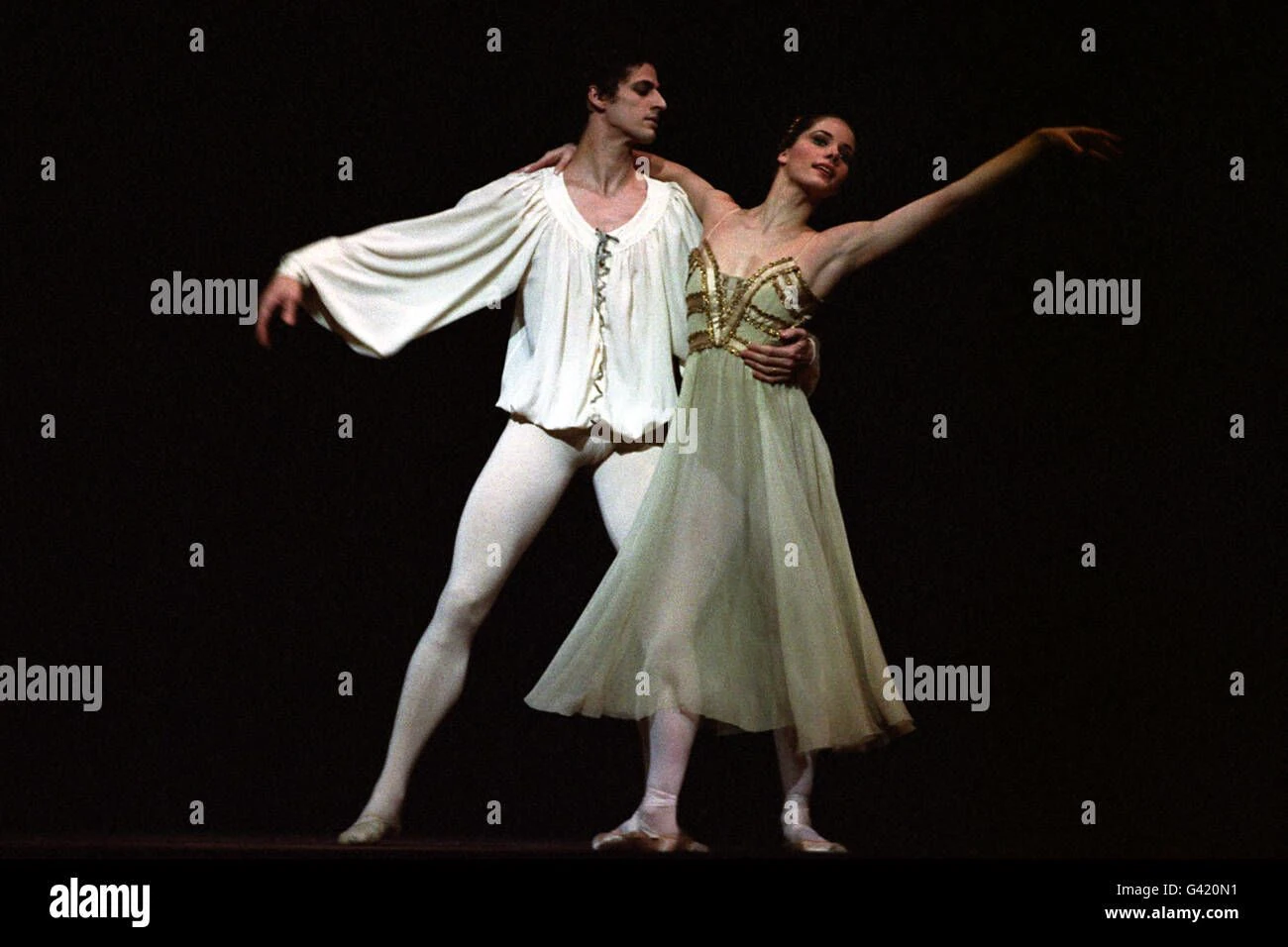
Jonathan Cope’s career with The Royal Ballet was not a straight ascent to a final curtain. He joined the company in 1982, became a principal dancer in 1986, left briefly in 1990 and returned two years later. After retiring from dancing in 2006, he worked as a répétiteur, helping prepare dancers in the repertory he had performed. His story brings together a wide range of classical roles, collaborations with choreographers and a working life that continued beyond the stage.
Training and an early rise
Born in Devon in 1963, Cope began ballet at six and trained in Wales before enrolling at The Royal Ballet School in London. He joined The Royal Ballet in 1982, aged 19. Promotion followed: he became a soloist in 1985 and a principal dancer in 1986. The pace of that progress placed him among the company’s leading dancers while still in his early twenties.
His career soon involved more than learning established parts. In 1989, Cope created the role of the Prince in Kenneth MacMillan’s The Prince of the Pagodas, alongside Darcey Bussell. Creating a role means working with a choreographer on a part as it takes shape, rather than inheriting an interpretation established by earlier casts. That experience became one strand of a repertory that included both celebrated classics and new works.
A repertory of contrasting characters
Cope’s roles ranged across narrative ballets and works with different demands on a performer. In Giselle he danced Albrecht; in La Bayadère, Solor; and in Raymonda, Jean de Brienne. His princely roles included Siegfried in Swan Lake, Florimund in The Sleeping Beauty, and the Prince in The Nutcracker and Cinderella. The list also reached beyond fairy-tale princes: he performed Beliaev in A Month in the Country, Palemon in Ondine, and Romeo in MacMillan’s Romeo and Juliet.
Other parts included Des Grieux in Manon, Rudolf in Mayerling, Rasputin in Anastasia and the Foreman in The Judas Tree. This breadth gives a firmer picture of his contribution than a handful of famous titles alone. His repertoire also included works by Frederick Ashton and roles created by choreographers including MacMillan, David Bintley and Christopher Wheeldon. Among the new works listed in his career are Different Drummer, Frankenstein, Tryst and Still Life at the Penguin Café.
Cope’s best-known partnerships included Bussell and Sylvie Guillem. His work with Bussell extended from the creation of The Prince of the Pagodas to later appearances, including a 2007 performance in Wheeldon’s Tryst at her pre-retirement gala. The partnership was therefore part of a longer professional association, rather than a single celebrated pairing.
Leaving, returning and retiring
In 1990, at 27, Cope left the Royal Ballet because of physical stress. He turned to property development and described his aim as pursuing a lifestyle more in tune with that of most people. The departure proved temporary: he returned to the company in 1992. The episode marks an important change in the chronology of his career, and distinguishes that early break from his later retirement from dancing.
Cope announced in September 2005 that he would retire after two performances of The Firebird in February 2006, with Miyako Yoshida as his final partner. He withdrew from performances scheduled before those appearances. A car accident in January 2006 left him with a broken leg. After his retirement from dancing, he became a répétiteur with the company in 2006. He also appeared on stage again on several occasions: in 2009 he stepped in for an injured Rupert Pennefather in A Month in the Country during the company’s Cuba tour.
Répétiteur and public appearances
As a répétiteur, Cope’s work shifted from performing roles to helping dancers prepare them. He remained in the Royal Ballet’s full-time role until 2019, when he left; the company’s artistic director, Kevin O’Hare, said he hoped Cope would return to coach from time to time. This later chapter matters to the shape of his career: his connection to the repertory did not end when he stopped dancing regularly, but changed from interpretation on stage to work with other performers.
There were also occasional public returns to performance and ballet-related events. In 2012, Cope appeared in the London Olympics closing ceremony in “Spirit of the Flame”, a sequence choreographed by Wheeldon and composed by David Arnold. Bussell, also returning from retirement, arrived on a flaming phoenix; Cope was among the dancers who met her on stage before the Olympic flame was extinguished. In 2003, he was appointed a Commander of the Order of the British Empire for services to ballet.
Why Jonathan Cope deserves a place in British Legacy
Cope’s place in British Legacy rests first on the sustained range of his work at The Royal Ballet. He progressed from joining the company at 19 to becoming a principal dancer four years later, then took on roles across Ashton’s and MacMillan’s repertories and works by later choreographers. His parts included central figures in Swan Lake, The Sleeping Beauty and Romeo and Juliet, but also less familiar characters in ballets such as Mayerling, Ondine and The Judas Tree. He also helped originate works, including the Prince in MacMillan’s The Prince of the Pagodas. That combination of repertory and creation records a career shaped by both the inheritance and development of ballet in Britain.
His contribution also continued after his performing career. Leaving the stage did not end his connection with the company: as a répétiteur, he worked with dancers on repertory, and he remained in the full-time role until 2019. His return to the stage in 2009 and appearance in the 2012 Olympic closing ceremony show how performance, coaching and public cultural events intersected in his later career. The evidence supports a specific legacy: a long service to Britain’s leading ballet company, a body of varied roles and created parts, and a transition into work that helped keep its repertory in performance. It is a record more substantial than praise alone, and one that places an individual career within the continuing life of British ballet.
Sources
Jonathan Cope (dancer), revision 1334720543
Adapted in part from Jonathan Cope (dancer) by Wikipedia contributors, under CC BY-SA 4.0. Text has been edited and combined with the existing article; this adapted text is shared under the same licence. Contributor history.