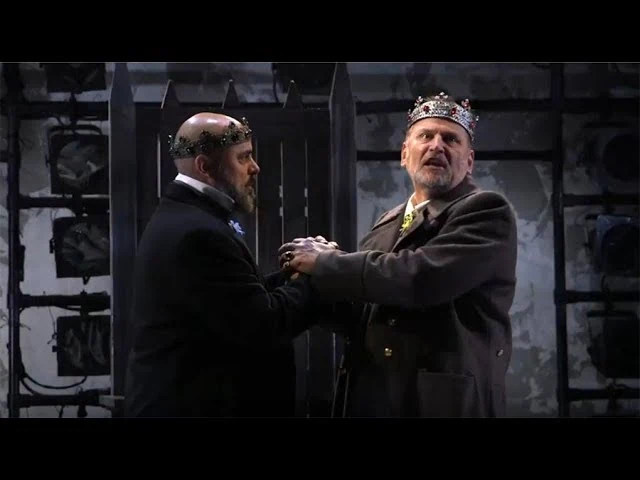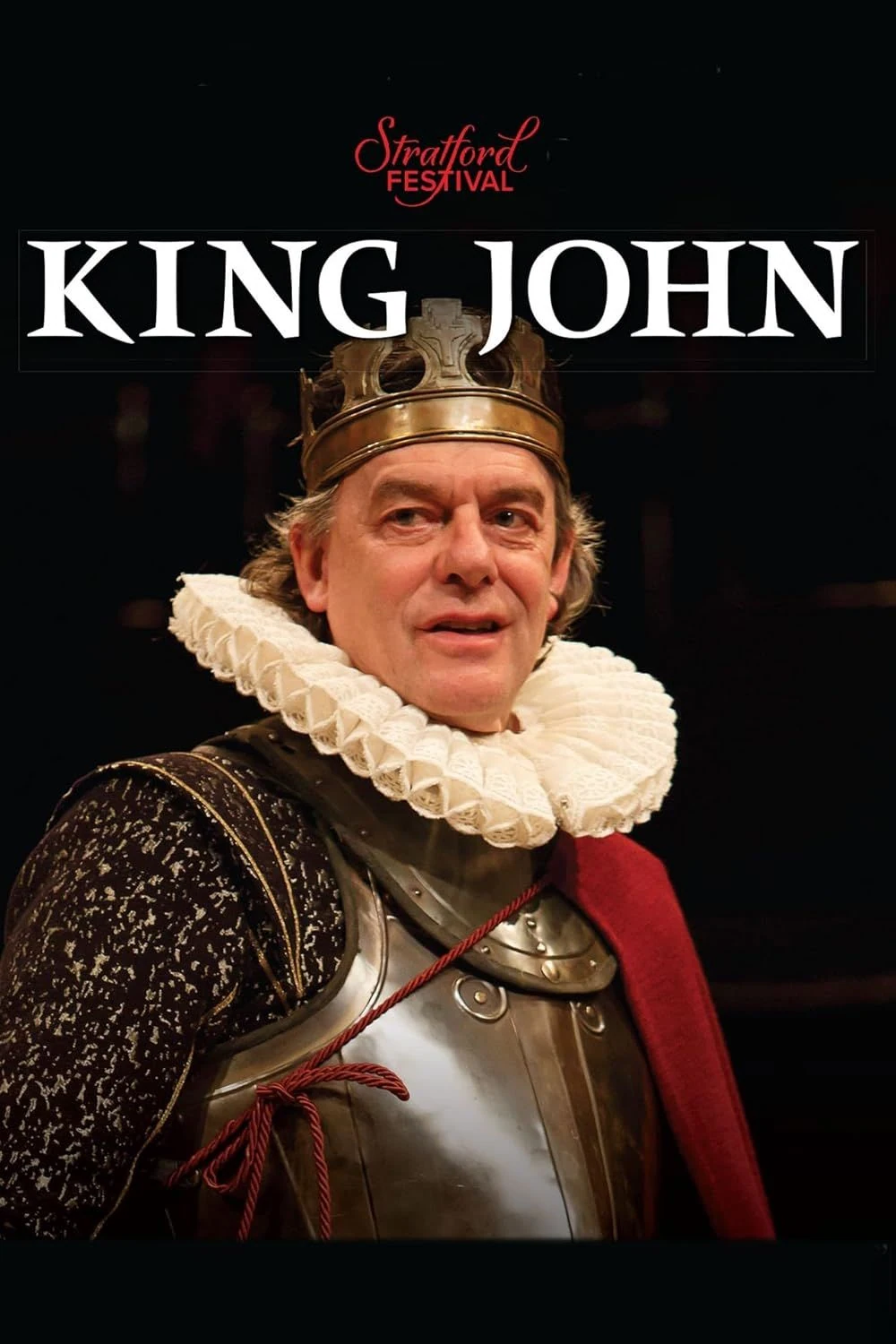
In Shakespeare’s King John, the struggle for England’s crown is also a struggle to make power appear legitimate. John’s claim is challenged by his nephew Arthur, Duke of Brittany, whose cause is supported by King Philip of France. From that dispute, the play builds a drama of shifting alliances, conflict with the nobility and the costs of holding on to authority. Its subject is a medieval English reign; its attention is on the human and political pressures that succession places on those who govern.
A crown contested
The play centres on John, King of England from 1199 to 1216. Shakespeare begins with the challenge to John’s title: Arthur has a rival claim and French backing. The conflict quickly becomes more than a question of who should inherit the crown. Warfare and changing allegiances draw the characters into decisions that test their loyalties, while John’s relationship with his nobles makes the security of his rule a continuing concern.
The story also brings the English king into conflict with the Pope. John is excommunicated, adding another challenge to his authority. The play’s political world is therefore shaped by competing claims and institutions, not simply by the king’s will. As alliances shift, the question of legitimacy remains unsettled: holding power does not, by itself, resolve whether that power is accepted as rightful.
Arthur and the burdens of rule
Arthur’s fate gives the political contest its most acute personal cost. His death intensifies the drama and bears on how John’s actions and character are understood. Shakespeare presents the king as morally ambiguous: he can be seen as pitiable as well as villainous. That combination complicates any simple portrait of a ruler, and keeps the play’s interest on the uneasy relationship between political survival and moral responsibility.
John’s reign is marked by adversaries beyond the French challenge and by the threat of betrayal among his own nobles. The play follows his efforts to retain the crown while those pressures accumulate. Its ending, in which John dies from poison, brings his rule to a close without making the preceding conflicts seem simple or settled. Power proves vulnerable; the costs of the struggle have already been borne by the people caught within it.
Shakespeare’s history play
King John is generally dated to the mid-1590s, though the precise date of its first performance is not established here. The original account suggests that it was performed during Shakespeare’s lifetime, but offers no certain first-performance record or verified original cast. Claims that Philip Henslowe or Edward Alleyn played roles in the first production are not secure enough to present as fact. Nor does the available account establish a performance at the Globe. The play’s stage history should not be made more definite than the evidence allows.
Shakespeare’s subject is a king whose claim is contested, but the play is not simply a chronicle of succession. Its political conflicts provide a way to examine authority, allegiance and the limits of personal control. John’s dealings with Arthur, the French king, the Pope and his nobles put different forms of power into tension. The result is a drama in which the fate of the crown depends on relationships that can change, and in which political decisions carry consequences for individuals as well as rulers.
Why King John deserves a place in British Legacy
King John deserves a place in British Legacy because it brings a period of English political history into the theatre through a focused conflict over succession. John’s challenge from Arthur, the French support for the rival claim, the rupture with the Pope and the instability among the nobles give audiences several dimensions of authority to consider. Rather than treating rule as a settled fact, the play asks what makes a claim to power credible and what happens when that claim is resisted.
Its lasting value lies in the way those public questions meet private consequences. Arthur’s death and John’s poisoned end make the struggle for the crown more than an abstract contest. Shakespeare’s morally ambiguous king resists an easy verdict, while the changing alliances show how precarious political loyalty can be. For British theatre and cultural memory, the play offers a dramatic encounter with a medieval English reign and a continuing framework for thinking about legitimacy, responsibility and the human cost of power.