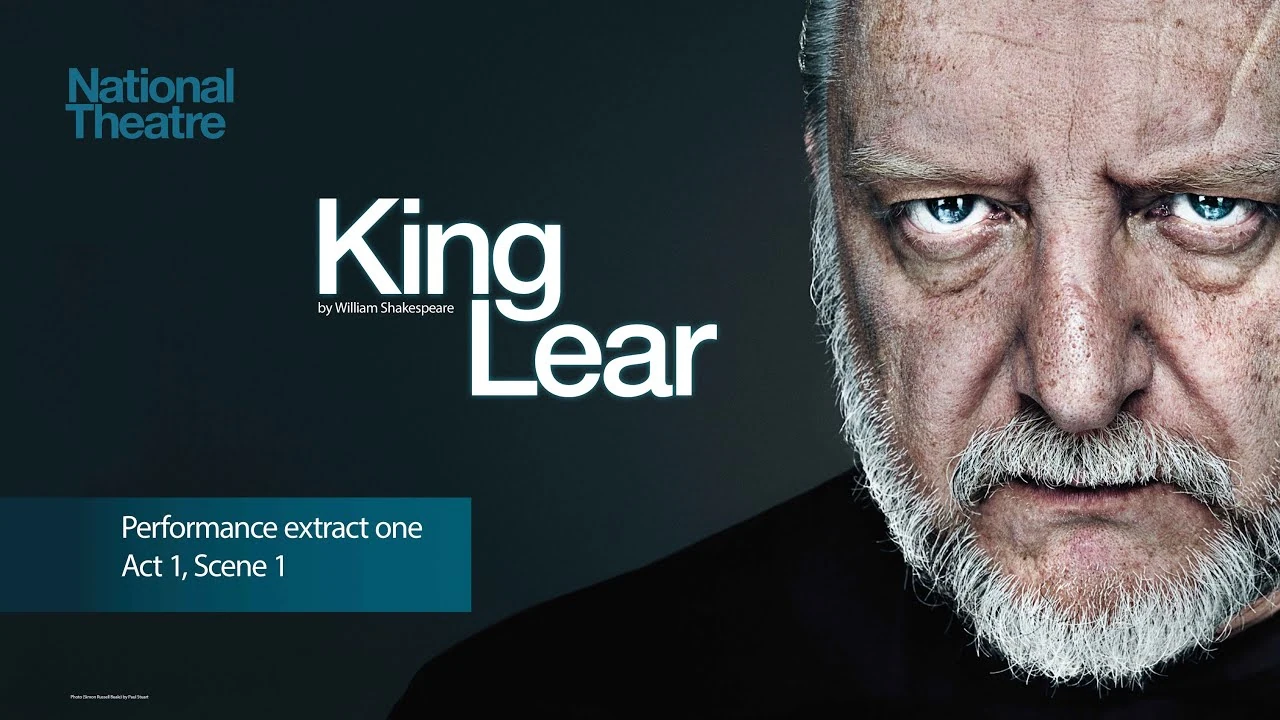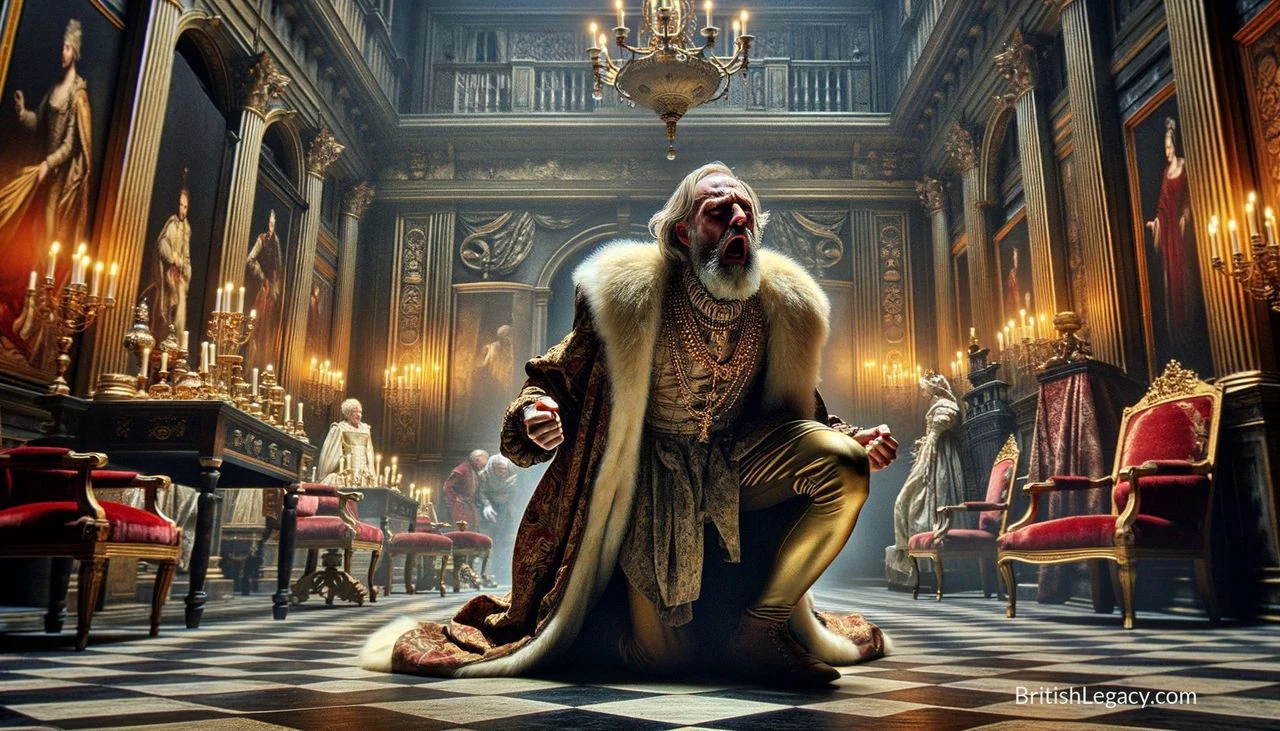
King Lear: Shakespeare’s Illustrious Tragedy
Authored by: William Shakespeare
First Performed: 1606
Initial Venue: The Globe Theatre, London
Duration: Approximately 3 hours
A Synopsis of the Play
King Lear, penned by the indomitable William Shakespeare, is a masterly crafted tragedy that has endured as one of the most significant works in British literature. Performed for the first time in 1606 at The Globe Theatre in London, this play delves deep into the human psyche and dissects themes of power, betrayal, madness, and redemption.
The narrative of King Lear centres on its eponymous character, an aging monarch who decides to divide his kingdom among his three daughters—Goneril, Regan, and Cordelia. Lear’s intentions are to prevent future conflicts and ensure a peaceful transition of power. To ascertain which daughter loves him the most, he devises an ill-judged test of flattery. Goneril and Regan, the elder daughters, deceitfully profess their boundless affection, while Cordelia, the youngest and most sincere, refuses to indulge in superficial adulation, thus enraging Lear. Her honesty results in her disinheritance, and the kingdom is divided between Goneril and Regan.
Lear soon finds himself betrayed by Goneril and Regan, who strip him of his retinue and dignity. This betrayal catalyses his descent into madness. Parallel to Lear’s plight is the subplot involving the Earl of Gloucester and his legitimised son, Edgar, and his illegitimate son, Edmund. Edmund's ambition and deceit mirror the toxic sibling rivalry within Lear’s family, creating a cohesive narrative structure.
The play progresses through a cascade of calamities, culminating in a tragic convergence of both plots. Lear ultimately reconciles with Cordelia, but it is a bittersweet reunion as they are captured and Cordelia is later executed. Lear succumbs to grief, dying with Cordelia in his arms. The play concludes with a sombre reflection on power, pride, and the transient nature of life.
Background and Influence
William Shakespeare wrote King Lear during a period of England's history that was rife with political and social upheaval. The early 1600s was a time when the monarchy's authority was in flux, and questions about succession and governance were pervading English society. Shakespeare’s works often reflect the anxieties and concerns of his time, and King Lear is no exception. It captures the essence of human folly and frailty, particularly in leadership.
Contribution to British Legacy and Theatre Worldwide
King Lear’s contribution to the British legacy cannot be overstated. It represents a pinnacle of poetic drama, showcasing Shakespeare's unparalleled ability to traverse human emotions and societal constructs. The play has been subject to countless interpretations and adaptations, each adding to its rich tradition. Helen Mirren, Ian McKellen, and countless others have poured their craft into reimagining these timeless characters, ensuring that the essence of King Lear reaches audiences anew, generation after generation.
Globally, King Lear has significantly shaped the repertoire of tragedy in theatre. Its exploration of complex characters, moral ambiguity, and the cataclysmic consequences of human actions has inspired dramatists and writers worldwide. The themes of betrayal, authority, family, and redemption resonate universally, enabling King Lear to transcend cultural and temporal boundaries.
Moreover, King Lear has influenced various art forms beyond theatre. It has been adapted into opera, ballet, and cinema, each medium finding something profound and relevant in Shakespeare’s tragic tale. This play has also served as a critical text in academic and theatrical studies, perpetually analysed for its linguistic brilliance, thematic depth, and philosophical underpinnings.
In conclusion, King Lear remains an indelible part of the British literary and theatrical heritage. Shakespeare's portrayal of the tragic downfall of a flawed but compelling king continues to evoke admiration and contemplation. The play's enduring appeal lies in its capacity to reflect the universal human condition, making it an evergreen masterpiece that enriches the collective cultural consciousness.
Key Points
- Written by the legendary William Shakespeare.
- Known for its powerful tragedy and engaging characters.
- First performed in 1606 at The Globe Theatre, London.
- Examines profound themes of power, betrayal, madness, and redemption.
- A cornerstone of British literary and theatrical legacy.
- Continues to influence global theatre and other art forms.
- Universally resonant with enduring appeal.
King Lear stands as a testament to Shakespeare’s genius, a monumental beacon in the annals of British culture and a pervasive source of artistic inspiration worldwide.