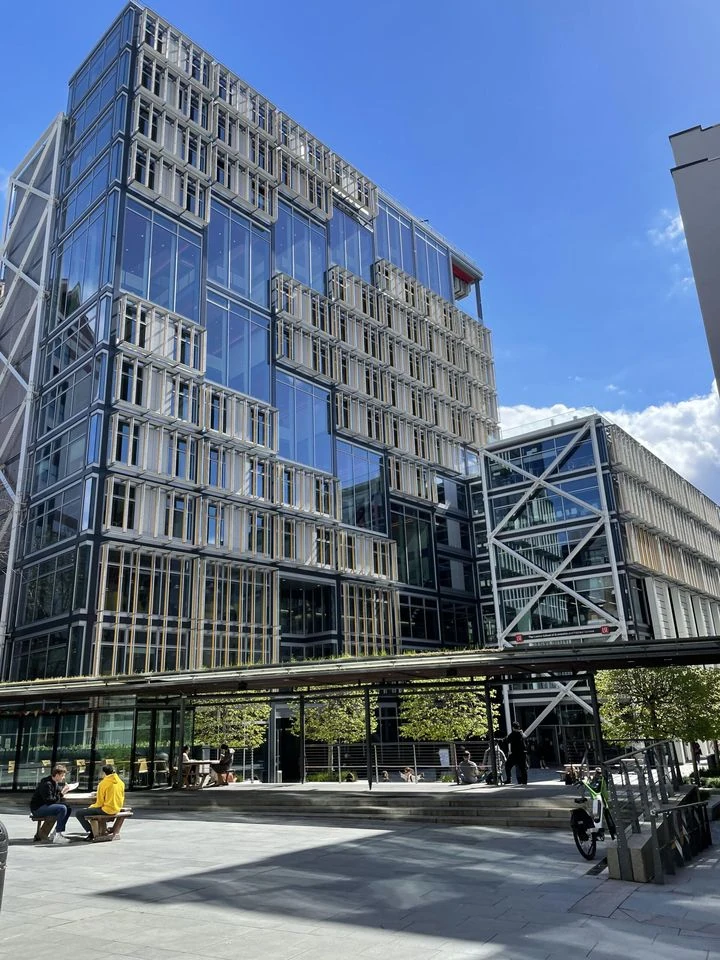
Founded in London in 1895, the London School of Economics and Political Science (LSE) was established to study society and its problems. Its origins lie in the Fabian Society, and its enduring focus on economics, politics and other social sciences has made it a distinctive part of British higher education. The School’s story also reaches beyond the classroom: its scholars, graduates and research have been associated with debates about public policy and economic thought.
A Fabian beginning
LSE was founded by Fabian Society members Beatrice and Sidney Webb, together with George Bernard Shaw and Graham Wallas. The founders’ stated purpose was to advance social well-being through study. That commitment gave the School a practical orientation: social and economic questions were not simply subjects for abstract debate, but issues that scholarship could help people understand.
The institution’s academic range includes economics, political science, sociology, law and international relations. Its work brings those fields into conversation, examining how societies are organised and how decisions affect them. The original account describes a student community drawn from more than 150 countries, a breadth that places different national perspectives alongside one another in the study of public and social questions.
Ideas, people and public life
LSE’s reputation has been shaped by people associated with its academic and student communities. The names cited in the earlier account include financier and philanthropist George Soros, philosopher Bertrand Russell and Queen Margrethe II of Denmark. It also associates the School with politicians including John F. Kennedy and Clement Attlee. These connections point to the range of public lives linked to LSE, although association alone does not establish the nature or extent of each person’s relationship with the institution.
The School’s intellectual history is also connected in the earlier account with the development of Keynesian economics and the work of John Maynard Keynes. More broadly, LSE research has addressed economic theory and social policy, areas where academic arguments can enter public debate and inform the choices made by governments and other institutions. Its influence is best understood through this interaction between study and public life, rather than through sweeping claims about control over policy or thought.
Research and contemporary questions
The Grantham Research Institute on Climate Change and the Environment is one example of LSE’s engagement with a major contemporary issue. Its subject brings environmental questions into a setting concerned with economics, policy and society. That combination reflects the School’s wider approach: research across the social sciences can help frame complex problems and contribute evidence to discussion about possible responses.
LSE’s work spans questions that affect people and institutions in Britain and internationally. Its London setting gives the School a place within British public and academic life, while its internationally varied student community and global connections broaden the perspectives represented there. Those features make its contribution more specific than a general claim to prestige: LSE provides a British base for studying social and economic change in an international context.
Why the London School of Economics and Political Science deserves a place in British Legacy
LSE deserves a place in British Legacy because its history links a clear founding purpose to sustained study of society. Established in London by members of the Fabian Society, including Beatrice and Sidney Webb, George Bernard Shaw and Graham Wallas, it was created to use scholarship in pursuit of social well-being. Its continuing focus on economics, politics, sociology, law and international relations gives that ambition a practical form: these disciplines examine how public choices are made and how social arrangements work.
The School’s British significance is also found in its outward reach. Its research addresses economic theory, social policy and climate change, while its international student community brings perspectives from many countries into a London academic setting. Graduates and scholars associated with LSE have appeared in public, political and intellectual life, though individual associations should not be mistaken for proof of a single institutional influence. Together, its founding ideals, social-science teaching and research make LSE a notable British institution: one that connects local academic life with questions debated well beyond the United Kingdom.