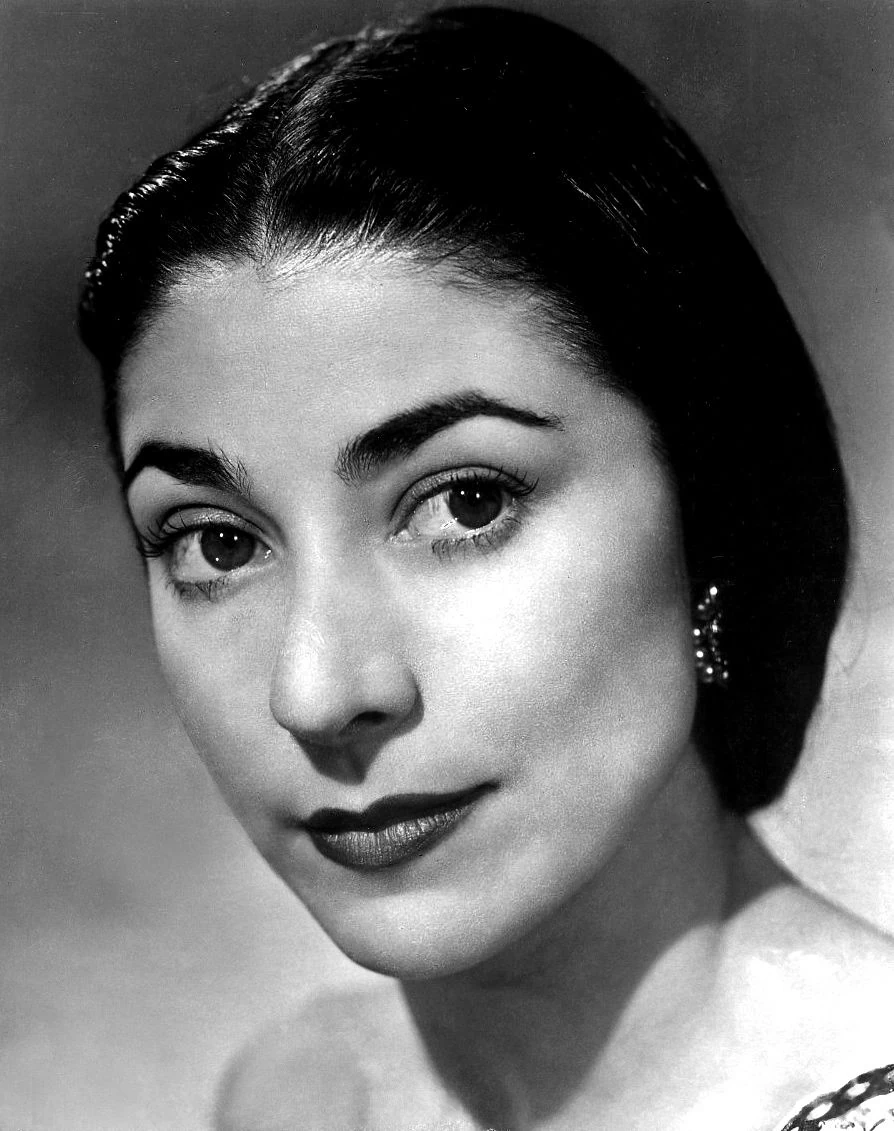
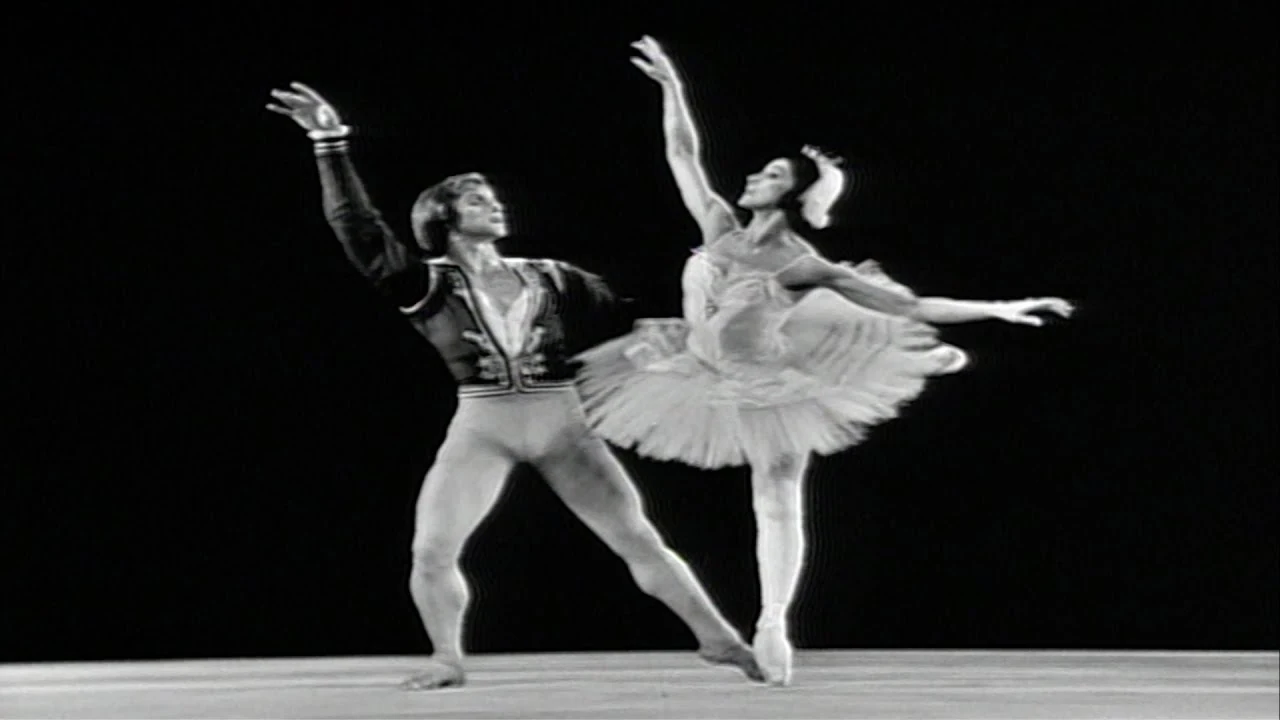
Margot Fonteyn was already an international star when, in 1962, she began dancing with Rudolf Nureyev. Their partnership brought fresh attention to a ballerina who had spent decades at the centre of British ballet. It also became one of the defining artistic relationships of her career. Yet Fonteyn’s achievement was not confined to those later performances: she helped establish the standing of a British company, created roles in works by leading choreographers and returned to the stage for years after many expected her to retire.
A childhood shaped by dance and travel
Fonteyn was born Margaret Evelyn Hookham in Reigate, Surrey, on 18 May 1919. Her mother, Hilda, began taking her to ballet classes when she was four. Her father’s work took the family overseas: after time in the United States, they moved to China, where Hookham studied with Russian émigré teacher Georgy Goncharov in Shanghai. Her mother brought her back to London when she was 14 so she could pursue ballet training.
In London, Hookham studied with Serafina Astafieva before Dame Ninette de Valois invited her to join the Vic-Wells Ballet School. She trained with, among others, Olga Preobrajenska and Vera Volkova. Her stage name developed from her maternal family name, Fontes: after the family was not given permission to use that name, she and her mother chose a variation from a telephone directory. The result was Margot Fonteyn.
Her first appearance with the Vic-Wells company came in 1934, when she danced as a snowflake in The Nutcracker. The following year she made her solo debut and succeeded Alicia Markova as the company’s prima ballerina. The Vic-Wells Ballet, later known as the Sadler’s Wells Ballet and ultimately the Royal Ballet, became the company with which Fonteyn spent her career as a dancer.
Making a place in British ballet
Choreographer Frederick Ashton recognised Fonteyn’s lyrical quality and created roles for her. In the early years, she danced in works including Le baiser de la fée and Nocturne; her work with Robert Helpmann helped develop her dramatic presence. She became known in major classical roles, among them Giselle and the title role of The Sleeping Beauty, as well as in ballets Ashton made for the company.
The company’s move to the Royal Opera House at Covent Garden in 1946 gave Fonteyn a new stage on which to establish her reputation. Her Aurora in The Sleeping Beauty became a signature performance. In the post-war production, when materials were scarce, the costume department assembled its lavish costumes from available fabric and repurposed garments. Fonteyn’s interpretation helped make the ballet a defining work for the company.
Ashton’s Symphonic Variations, Cinderella, Daphnis and Chloe and Sylvia further demonstrated the range of her work. Fonteyn created the title role in Sylvia in 1952. She also danced in works by other choreographers, including Ondine, created for her by Ashton in 1958. These performances joined technical demands to character and musical expression, and gave her a repertory extending beyond the familiar classical roles.
In 1949, Fonteyn led the company on a tour of the United States. Her performance as Aurora drew a strong response in New York, helping make her an international celebrity and bringing wider attention to the British company. She had already appeared in televised performances in Britain; appearances on American television, including The Ed Sullivan Show, introduced her to audiences beyond the theatre. In 1959, the Royal Ballet made her a freelance dancer, allowing her to accept international engagements while remaining closely associated with the company.
Marriage, public duties and a return to the stage
Fonteyn married Panamanian politician Roberto “Tito” Arias in 1955 and became Margot Fonteyn de Arias. In 1956 she was appointed a Dame Commander of the Order of the British Empire. She also served as president of the Royal Academy of Dance, having initially protested her appointment, and took on the public duties associated with her husband’s diplomatic position.
Her career continued through periods of personal and professional strain. In 1959, after Arias was involved in a coup plot against Panama’s president, Fonteyn was detained in Panama and deported to New York. The British embassy arranged her release and travel. She returned to the stage later that year. In 1964, Arias was shot in an assassination attempt and became quadriplegic. Fonteyn continued to dance while arranging his care, and later took him with her on some of her travels.
Fonteyn and Nureyev
When Rudolf Nureyev defected from the Kirov Ballet in 1961, Fonteyn was considering retirement. Despite the 19-year age difference between them, she agreed to partner him in his Royal Ballet debut. They danced together in Giselle on 21 February 1962. The performance drew sustained applause, and their partnership quickly became an international sensation. Fonteyn was 42; the collaboration gave her career a renewed phase and made the pairing a major event for audiences on both sides of the Atlantic.
They appeared together in classical works including Le Corsaire Pas de Deux, Les Sylphides, La Bayadère, Raymonda and Swan Lake. Ashton created Marguerite and Armand specifically for them, and their Juliet and Romeo in Kenneth MacMillan’s Romeo and Juliet became another of their best-known roles. MacMillan had originally intended the roles for other dancers, but Royal Opera House director David Webster insisted on Fonteyn and Nureyev. Their performance helped make the production a lasting success.
The partnership worked through contrast as well as likeness: Fonteyn was methodical, while Nureyev was exuberant. Each pressed the other to greater intensity, and their friendship continued after Fonteyn’s retirement. Their performances were also recorded, extending their reach beyond the theatre. Nureyev later described them as dancing with “one body, one soul”; the phrase conveys the force audiences found in their stage relationship, without reducing Fonteyn’s wider career to a single partnership.
Later work and retirement in Panama
Fonteyn moved into semi-retirement in 1972, limiting her appearances but continuing to perform. She explored modern dance, including José Limón’s The Moor’s Pavane, and appeared with Nureyev in Fonteyn & Nureyev on Broadway in 1975. Her books included an autobiography, Margot Fonteyn: Autobiography, and The Magic of Dance, which accompanied a BBC television series about dance. In 1982, she became chancellor of Durham University, travelling to the university for its degree ceremonies.
In 1979, on her 60th birthday, the Royal Ballet celebrated her career. Fonteyn danced with Ashton and Helpmann, and the company formally pronounced her prima ballerina assoluta. She retired to Panama with Arias, where she took an interest in raising cattle and continued writing. She and Nureyev remained friends and occasionally performed together; their last performance together was in 1988.
Fonteyn was diagnosed with ovarian cancer in 1989. Arias died that year, and she died in Panama City on 21 February 1991, aged 71. Her ashes were laid to rest with his in Panama. A memorial service was held at Westminster Abbey later that year. In Reigate, a statue of Fonteyn as Ondine, commissioned by admirers and made by British sculptor Nathan David, commemorates her in the town where she was born.
Why Margot Fonteyn deserves a place in British Legacy
Margot Fonteyn deserves a place in British Legacy because her career is closely bound to the development and international standing of British ballet. She danced with the Vic-Wells company as it became the Sadler’s Wells Ballet and then the Royal Ballet, remaining there throughout her career. At Covent Garden, her Aurora in The Sleeping Beauty became a signature role, while her work in Ashton ballets such as Sylvia and Ondine showed how a leading dancer could shape the identity of a company through new work as well as established classics. Her performances on tour and television brought British ballet to audiences well beyond its home stages.
Her partnership with Nureyev added another dimension to that legacy. It brought renewed international attention to Fonteyn and to the Royal Ballet, and joined two distinctive artists in performances that continued to draw audiences and inspire later dancers. But her significance does not depend on the partnership alone: it followed decades of work, survived serious disruption in her personal life, and extended into teaching ballet’s public history through broadcasting, writing and her role at Durham University. Her career offers a specific account of British cultural influence: a dancer formed in an English company, working with its choreographers and carrying its repertory to the world. That combination of sustained artistic contribution and public reach makes her story an essential part of Britain’s performing-arts history.
Sources
Margot Fonteyn — revision 1368459533 · Margot Fonteyn
Adapted in part from Margot Fonteyn by Wikipedia contributors, under CC BY-SA 4.0. Text has been edited and combined with the existing article; this adapted text is shared under the same licence. Contributor history.