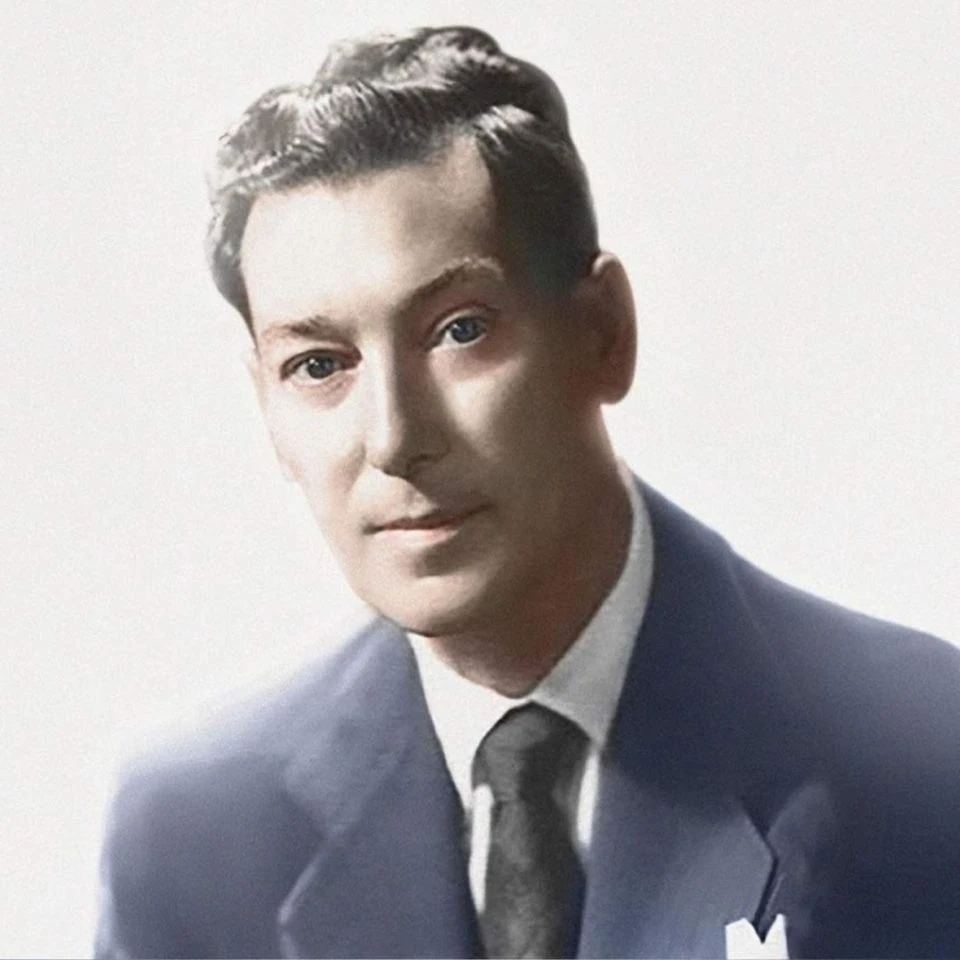
Neville Lancelot Goddard: The Visionary Behind Coventry Cathedral
Coventry Cathedral, rising from the ashes of the Second World War, stands as a testament to resilience, modernism, and forward-thinking design. At the crux of this architectural marvel is Neville Lancelot Goddard, an influential figure in modernist architecture whose work has left an indelible mark on British heritage and global architectural discourse.
A Visionary Modernist
Born on 1st February 1892, in the remarkably industrious city of Sheffield, Goddard's initial educational undertakings did not foreshadow a career in architecture. His early life was entwined with the arts and humanities, fostering a broad cultural perspective that he would later channel into his architectural endeavours. Educated at Wellington College and Jesus College, Cambridge, Goddard’s architectural journey truly began post-First World War when he pursued formal training at the Architectural Association School of Architecture – a beacon for nurturing avant-garde professionals.
The Coventry Cathedral: A Beacon of Renewal
Melding his extensive knowledge of the arts with an architectural acumen, Goddard’s most acclaimed work is undisputedly the Coventry Cathedral. The story of the Cathedral resonates with themes of destruction and renewal. The original structure, St. Michael's Cathedral, was decimated during the Luftwaffe's bombings in November 1940, leaving a profound emptiness amidst the ruins symbolising wartime travails.
Goddard was commissioned to design the new cathedral following a national competition, a testament to the trust placed in his innovative and restorative vision. His bold design juxtaposed the stark ruins of the bombed cathedral with the awe-inspiring modern edifice of the new structure. This coupling of historical poignancy with contemporary hope serves as an enduring metaphor for reconciliation and spiritual upliftment.
Dedicated in 1962, the new cathedral is an illustrious blend of modernist design and sacred symbolism. Its expansive use of space, dynamic forms, and integration of art – most notably the towering tapestry created by Graham Sutherland behind the altar – characterises Goddard’s architectural ingenuity. The cathedral’s open-plan layout, use of natural light, and incorporation of traditional yet abstract forms reflect the ethos of post-war modernism, yet universally resonate with themes of unity and peace.
Architectural Impact and Legacy
Goddard's work on Coventry Cathedral is not just an architectural feat; it also speaks volumes about the socio-cultural rejuvenation of post-war Britain. It stands among the greatest war memorials, a constant reminder of the devastating effects of conflict and the enduring human spirit.
Goddard’s influence extends beyond Coventry. His works, rooted in the modernist ethos of functionality combined with aesthetic integrity, exemplify the transformative power of architecture. Coventry Cathedral, with its forward-thinking design, places Goddard within the pantheon of architects whose work pushes the boundaries, laying down modernist ideals that continue to shape architectural designs worldwide.
Through his work, Goddard adheres to a principle that profound architecture transcends its structural purpose to touch on broader humanistic and spiritual dimensions. His legacy is visible not just in buildings but in the persistent philosophies that provoke thought and inspire new generations.
Epilogue
The imprint of Neville Lancelot Goddard on the British legacy is carved in stone, sparking dialogues between history and modernity, destruction and renewal. As an architect of profound insights and unyielding vision, his contribution through the design of Coventry Cathedral remains a monumental narrative within Britain’s rich tapestry. This iconic edifice, standing resilient and vivid in its aspirations, is an immortal chapter in the evolving story of British heritage, continually impacting cultures, thoughts, and architectures worldwide.