Pink Floyd's The Wall Live (1980-1981): A Defining Moment in British Rock History
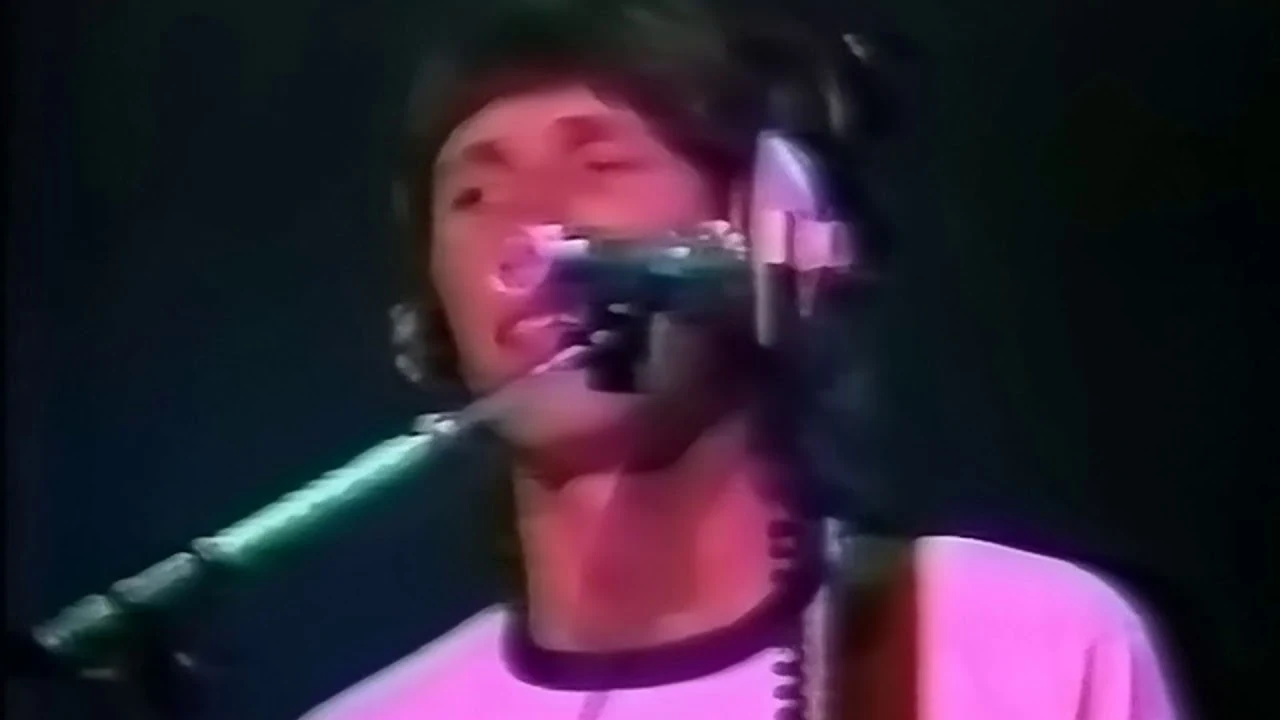
In the pantheon of British rock music, few names stand out as prominently as Pink Floyd. A band synonymous with innovation and artistic ambition, Pink Floyd's influence on the world of music is inestimable. Among their many accomplishments, the live performances of "The Wall" between 1980 and 1981 occupy a unique and hallowed place. These performances were not only a testament to the band's musical prowess but also a groundbreaking venture in the world of theatrical rock. These shows brought a concept album to vivid life on stage, setting new standards for live performances and contributing indelibly to the great British legacy in music and beyond.
The Conception of "The Wall"
"The Wall," a rock opera and concept album released in 1979, is one of Pink Floyd's most ambitious projects. Penned by bassist and primary lyricist Roger Waters, the album explores themes of isolation, war, and personal anguish through the life story of its protagonist, Pink. This profound narrative, expressed through both the lyrics and the intricate musical compositions, struck a chord with audiences around the globe. By the time the band decided to take it on tour, expectations were sky-high.
Revolutionary Stage Production
Pink Floyd's live performances of "The Wall" were no ordinary concerts. From the outset, it was clear that these shows would push the boundaries of what was possible in rock music. The decision to perform the album in its entirety necessitated the construction of elaborate stage setups, which became a hallmark of the shows.
One of the most iconic elements was the actual wall—an immense structure built during the performance that gradually separated the band from the audience. This physical manifestation of the album's central metaphor was constructed from hundreds of cardboard bricks, each one symbolic of the barriers the protagonist, and by extension humanity, erects around himself.
Innovative Effects and Props
The theatricality of "The Wall Live" did not end with the brick-by-brick construction of the wall. The performances featured a host of massive props and cutting-edge effects. Inflatable puppets representing various characters from the album, like the menacing Teacher and the oppressive Mother, loomed large over the audience, adding a visual and emotional weight to the narrative. A giant inflatable pig, an emblem frequently associated with Pink Floyd, made dramatic appearances, further enhancing the spectacle.
Moreover, the show made extensive use of projection. Animated sequences, created by British cartoonist Gerald Scarfe, were projected onto the wall and provided a vivid visual accompaniment to the music. These animations, with their haunting imagery and stark portrayal of the album's themes, significantly enriched the audience's experience.
London and Beyond
The tour started with a series of shows in London, specifically at Earls Court, a venue that itself would become legendary in rock history. Despite initial technical challenges and astronomical costs, the London performances were a resounding success. They were a testament to British ingenuity and determination, illustrating the nation's penchant for world-class entertainment.
Following the London shows, the tour travelled to other cities, including New York and Los Angeles. Each location experienced the same meticulous attention to detail, ensuring that every performance was as impactful as the last. However, due to the sheer complexity and cost of the production, the tour was limited in scope, adding to its mystique and allure.
Lasting Impact on Theatrical Rock
Pink Floyd's "The Wall Live" was more than just a series of concerts; it was a revolution in the live music industry. The fusion of music, theatre, and visual art created a holistic and immersive experience that transcended traditional concert paradigms. It set new standards for what could be achieved in a live setting and inspired countless artists to think bigger and bolder in their live performances.
The band essentially redefined the possibilities of live rock music, ushering in an era where theatricality and storytelling became central to the concert experience. It also highlighted the creative potential of British artists to innovate and lead on the global stage.
Contribution to British Legacy
The live performances of "The Wall" epitomise a seminal moment in British cultural history. They embodied the spirit of creativity, ambition, and excellence that characterises much of the nation's artistic output. From rock enthusiasts to theatre aficionados, the shows reached a diverse audience, bringing British music and culture to the fore on an international scale.
In conclusion, Pink Floyd's live performances of "The Wall" in 1980-1981 are a shining testament to the band's innovation and the broader British legacy of pioneering contributions to the arts. These performances not only encapsulated a moment of extraordinary creativity but also set a blueprint for the future of live music, reinforcing Britain's indelible impact on global culture.