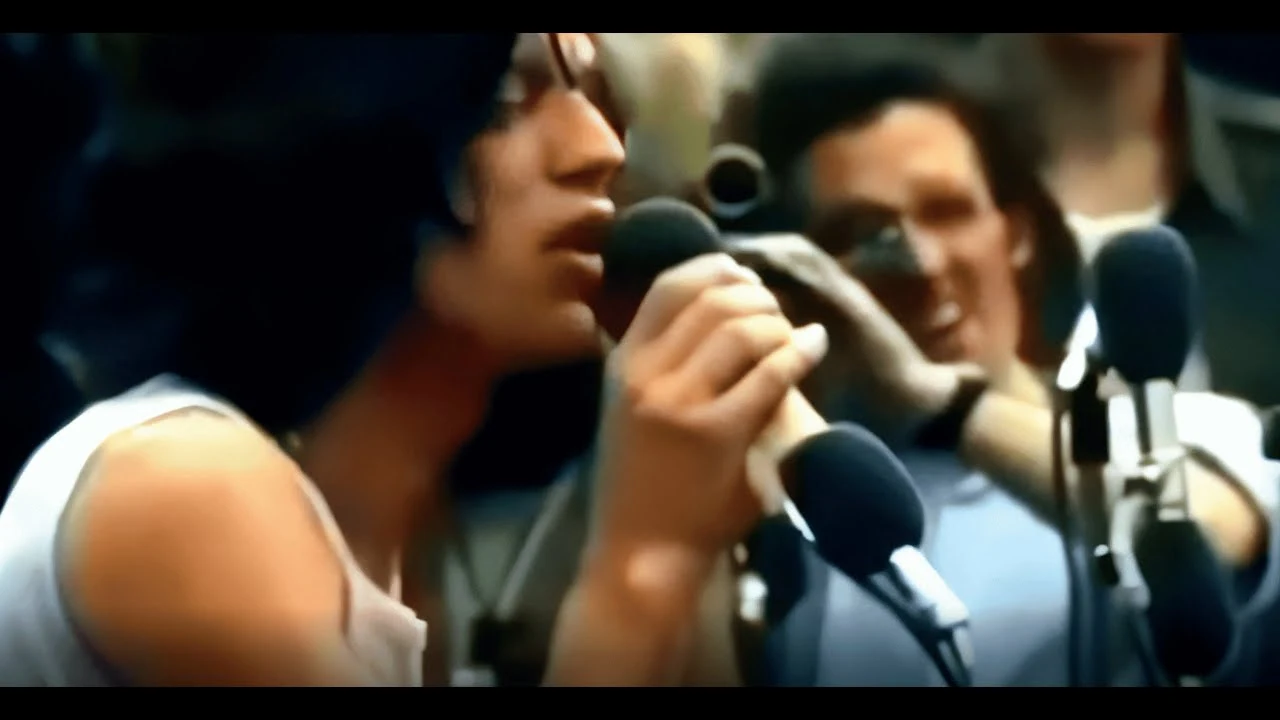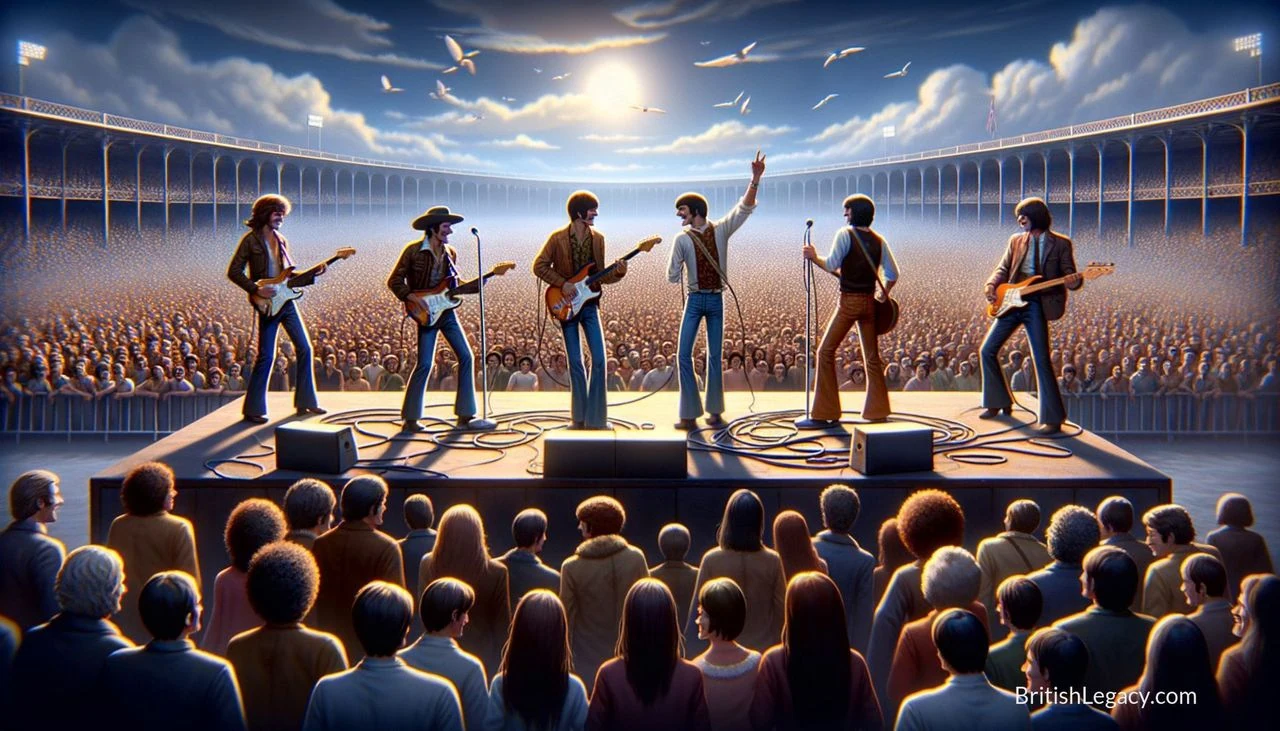
On 5 July 1969, the Rolling Stones played a free concert in London’s Hyde Park before an estimated 250,000 people. The event came just two days after the death of Brian Jones, the band’s founding member, and became both a public tribute to him and the first performance by his replacement, guitarist Mick Taylor. Grief and a change in the band’s line-up gave the concert its defining character.
A concert shaped by loss
Jones had been found dead in his swimming pool on 3 July. His death cast a shadow over the Hyde Park performance, which took on the character of a farewell as well as a major public appearance by the Stones. The band faced a large audience at a moment of sudden personal loss and transition.
The concert opened with Mick Jagger reading Percy Bysshe Shelley’s elegy Adonais in Jones’s honour. White butterflies were released above the stage and audience. The ceremony placed the loss of a founding member at the centre of the event before the band began its set.
Mick Taylor’s first performance
The Hyde Park show was Mick Taylor’s debut performance with the Rolling Stones. His arrival marked a new chapter for the group after Jones’s departure. The concert’s significance therefore rested not only on the tribute: it also introduced the audience to a changed line-up.
The set included “I’m Yours and I’m Hers”, “Jumpin’ Jack Flash”, “Sympathy for the Devil” and “Honky Tonk Women”. The performance brought together a memorial to Jones and the band’s continuing work on stage. Taylor’s debut, in particular, made the concert a visible turning point in the Stones’ history.
Hyde Park and the Stones’ public story
A free concert in one of London’s best-known parks brought the band before a very large audience. The event is associated with the scale of that gathering, its unusual emotional circumstances and the arrival of a new guitarist. It was not simply a performance of familiar songs: its opening tribute and changed line-up made the day a distinct episode in the group’s story.
The concert has also been remembered as part of the late-1960s countercultural moment. That association reflects the event’s place in the era’s music culture, rather than changing the particulars of what happened on stage: Jagger read Shelley, butterflies were released, and the Stones played a set that included songs such as “Jumpin’ Jack Flash” and “Sympathy for the Devil”.
Why The Rolling Stones at Hyde Park deserves a place in British Legacy
The Hyde Park concert deserves a place in British Legacy because it captures a specific moment in British popular music: a major London performance shaped by the death of a founding member and the debut of his successor. The tribute to Brian Jones was not separate from the band’s public history. Jagger’s reading of Adonais and the release of white butterflies made remembrance part of the concert itself, while the performance that followed showed the group continuing with a changed line-up.
The event also connects a familiar public space with the scale of live music in Britain. An estimated 250,000 people attended a free concert in Hyde Park, and its combination of mourning, ceremony and performance has kept it distinctive in the Stones’ story. Its legacy is not a claim that one concert alone transformed British music; it is the more grounded account of how a large public gathering marked both an ending and a beginning. Jones was mourned, Taylor made his debut, and the band performed before an audience on a scale that made the occasion memorable.