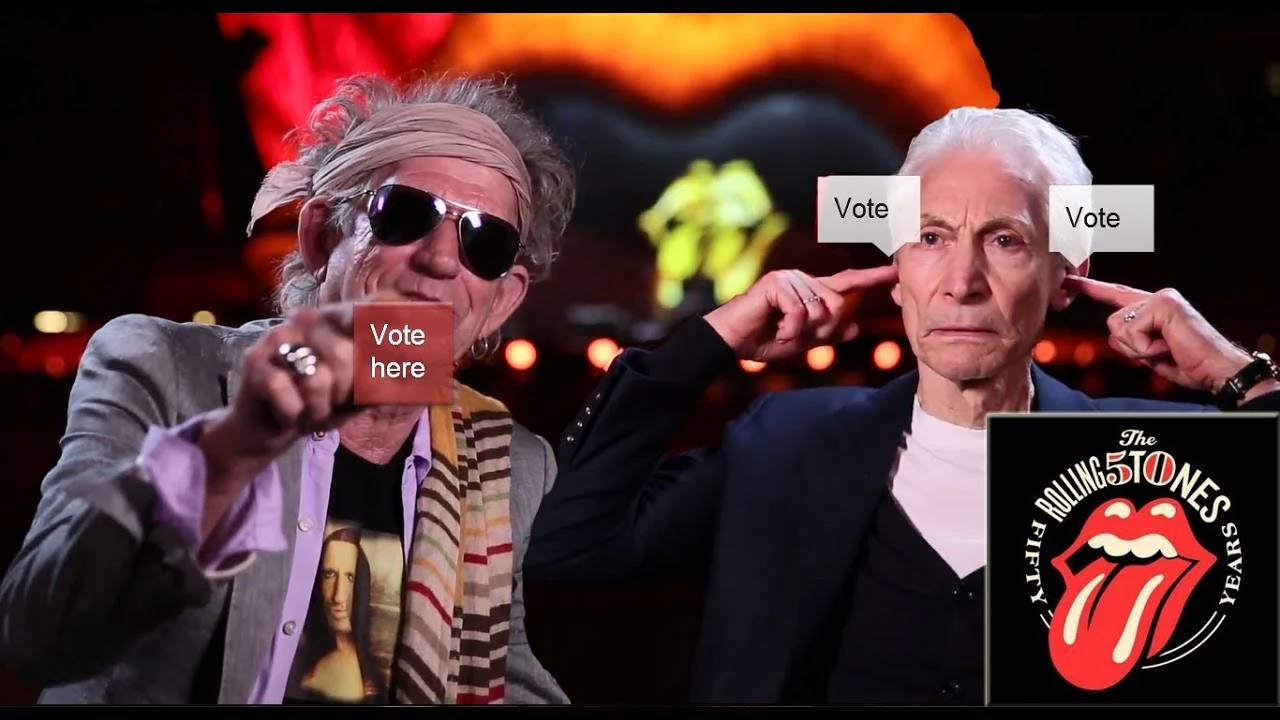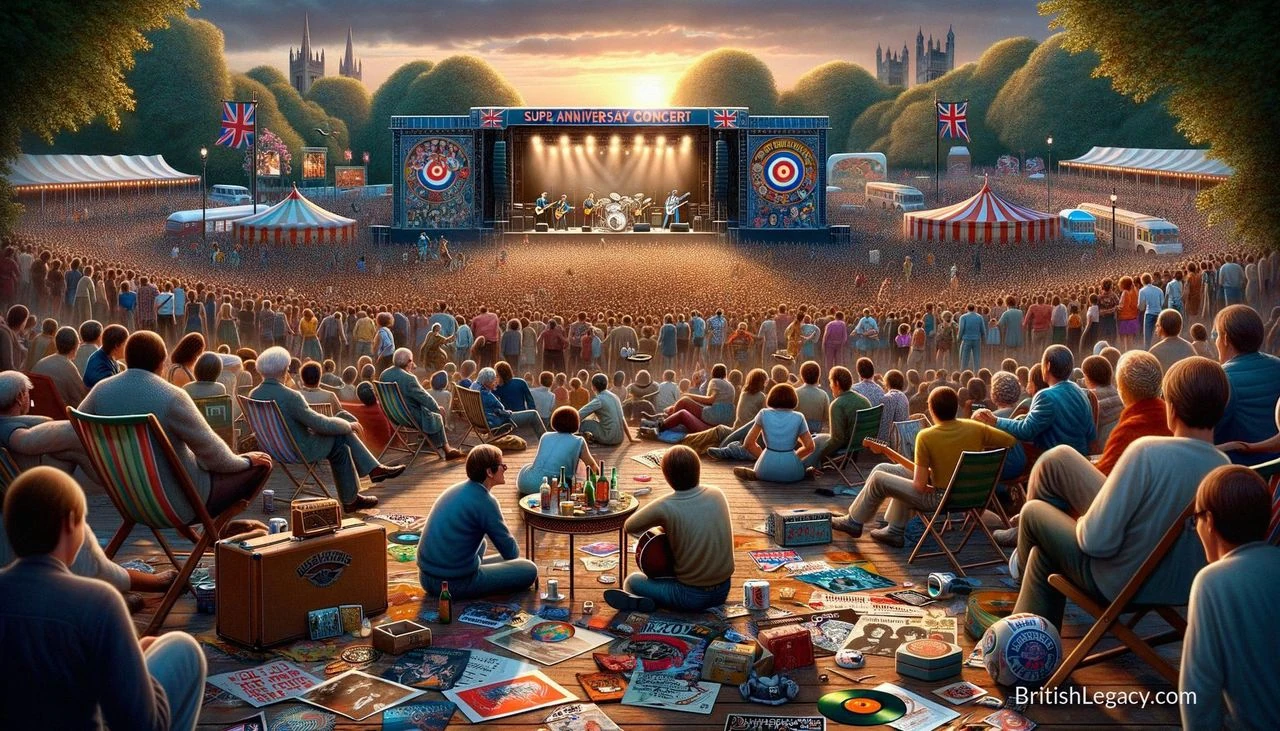
On 5 and 13 July 2013, the Rolling Stones played two concerts in Hyde Park, returning to the London venue 44 years after their free performance there in 1969. The shows formed part of the band’s 50th-anniversary celebrations. Mick Jagger, Keith Richards, Charlie Watts and Ronnie Wood took the stage for a return that connected the group’s present-day performances with one of its most remembered public appearances.
The memory of 1969
The Stones’ earlier Hyde Park concert took place on 5 July 1969, two days after the death of founding member Brian Jones. An estimated 250,000 people attended. Jagger wore a white dress and released hundreds of butterflies in Jones’s honour, making the performance a public tribute as well as a major gathering in the band’s history.
That context gave the 2013 return a particular resonance. The anniversary concerts revisited the same park, but they were not a recreation of the 1969 event. The earlier appearance followed Jones’s death; the later dates were part of a celebration of five decades of the band. The gap between them made Hyde Park a setting in which two different moments in the Stones’ story could be remembered together.
Two concerts for an anniversary
The 2013 shows were reported as sold out. Jagger led the group through a set that included “Jumpin’ Jack Flash”, “Paint It Black”, “Gimme Shelter” and “(I Can’t Get No) Satisfaction”. The songs drew on different points in the band’s career, giving the concerts a musical span that suited an anniversary without turning the performances into a simple replay of the past.
Richards and Wood played guitar, while Watts was on drums. The familiar songs and returning venue joined the 2013 concerts to the group’s earlier history, while the two new dates remained events in their own right. They brought the Stones back to a London park associated with a moment of public commemoration, now for a different occasion and a later generation of listeners.
A performance preserved
The Hyde Park concerts were documented in Sweet Summer Sun: Hyde Park Live, released as a live album and concert film. The recording and film gave the performances a life beyond the two July dates, preserving an account of the 2013 return for audiences unable to be in the park.
The release also distinguishes the anniversary shows from the 1969 gathering. The earlier concert is remembered in the account for its timing after Jones’s death and for Jagger’s tribute; the later performances were captured as a concert film and album. Together, these details offer a way to understand the return without treating it as a repetition: the band revisited a significant venue, performed songs from across its career and left a record of the new shows.
Why the Rolling Stones’ Hyde Park return deserves a place in British Legacy
The Hyde Park concerts deserve a place in British Legacy because they connect a major London venue with two distinct points in the Rolling Stones’ history. The 1969 performance, held shortly after Brian Jones’s death, became associated with public remembrance. The 2013 concerts returned to the same park as part of the group’s 50th-anniversary celebrations. Remembering the two appearances together gives the later return a specific historical setting rather than presenting it as just another concert.
The documented setlist and the release of Sweet Summer Sun: Hyde Park Live make the 2013 event more than a date in a touring chronology: its music and performances were preserved in both film and album form. The return’s British connection is concrete: the concerts took place in Hyde Park, London, and looked back to an earlier performance at the same site. That link between place, performance and remembrance is the reason the event belongs in a record of British music heritage.