Richard II: A Pivotal Gem in British Theatre
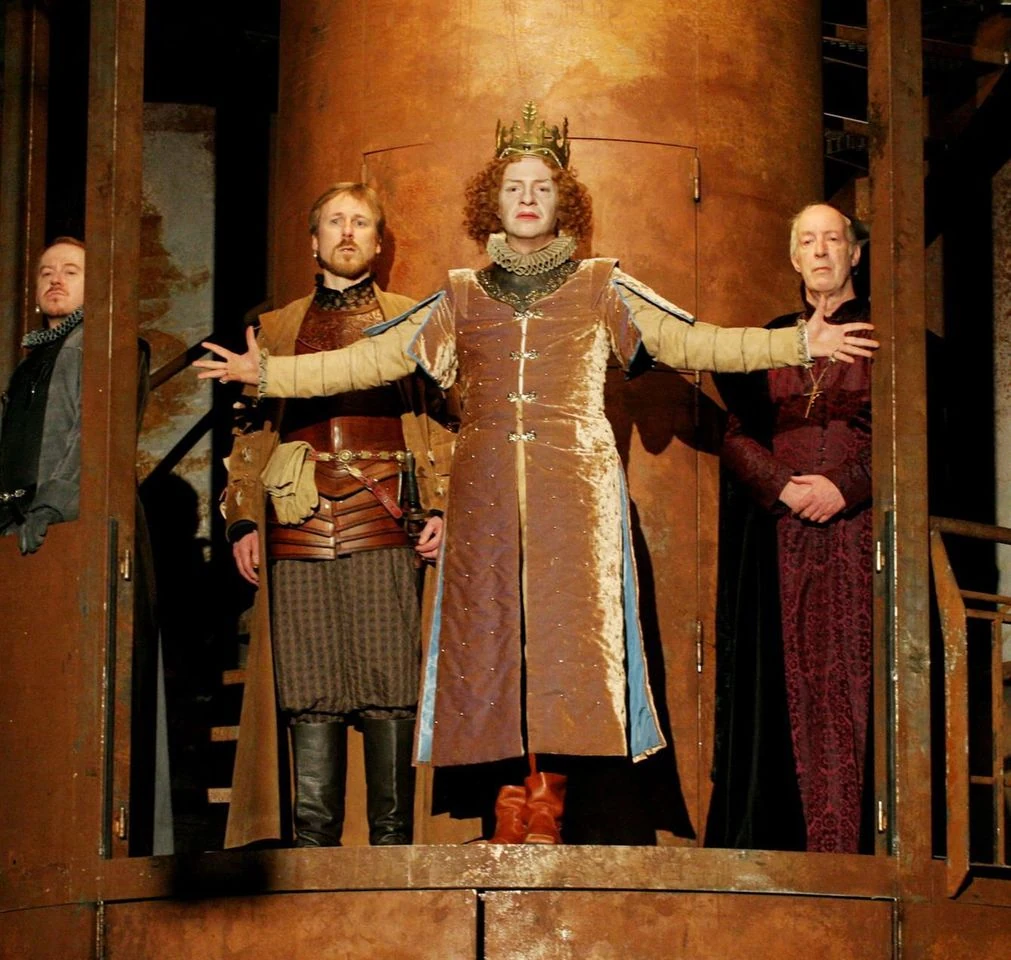
"Richard II", penned by the incomparable William Shakespeare, stands as a cornerstone in the pantheon of British theatre. The play delves into the turbulent reign and ultimate downfall of the vain and capricious King Richard II, marking it as a significant historiographical and literary work that has left an indelible mark on both British heritage and global theatre.
Authorship and Performance Legacy
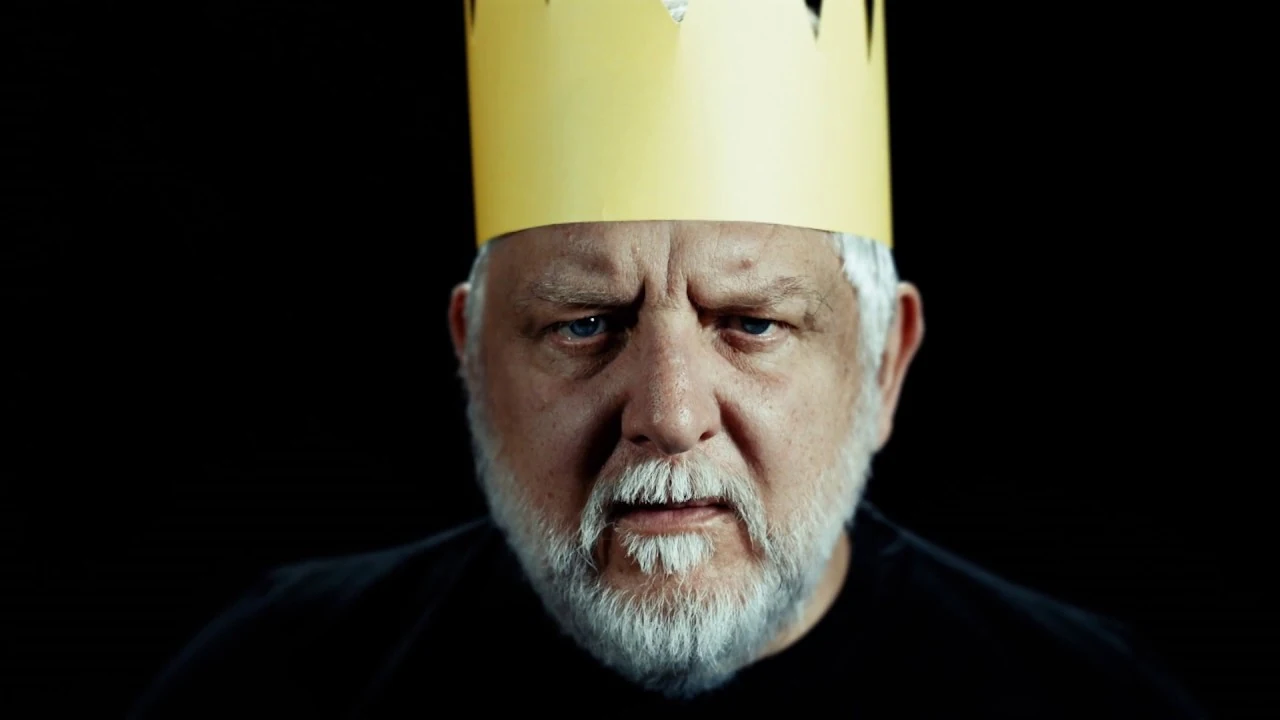
William Shakespeare, often hailed as the greatest playwright in the English language, authored "Richard II" around 1595. Its initial performance is believed to have taken place at the Globe Theatre in London, a venue synonymous with the Bard’s works. Historical accounts suggest the play captivated audiences with its layered narrative and emotive depth, contributing to its prolonged popularity. Modern stagings of "Richard II" continue to be part of the repertory in major theatres across the world, notably the Royal Shakespeare Company, which honours Shakespeare’s birthplace in Stratford-upon-Avon.
The Plot in Brief
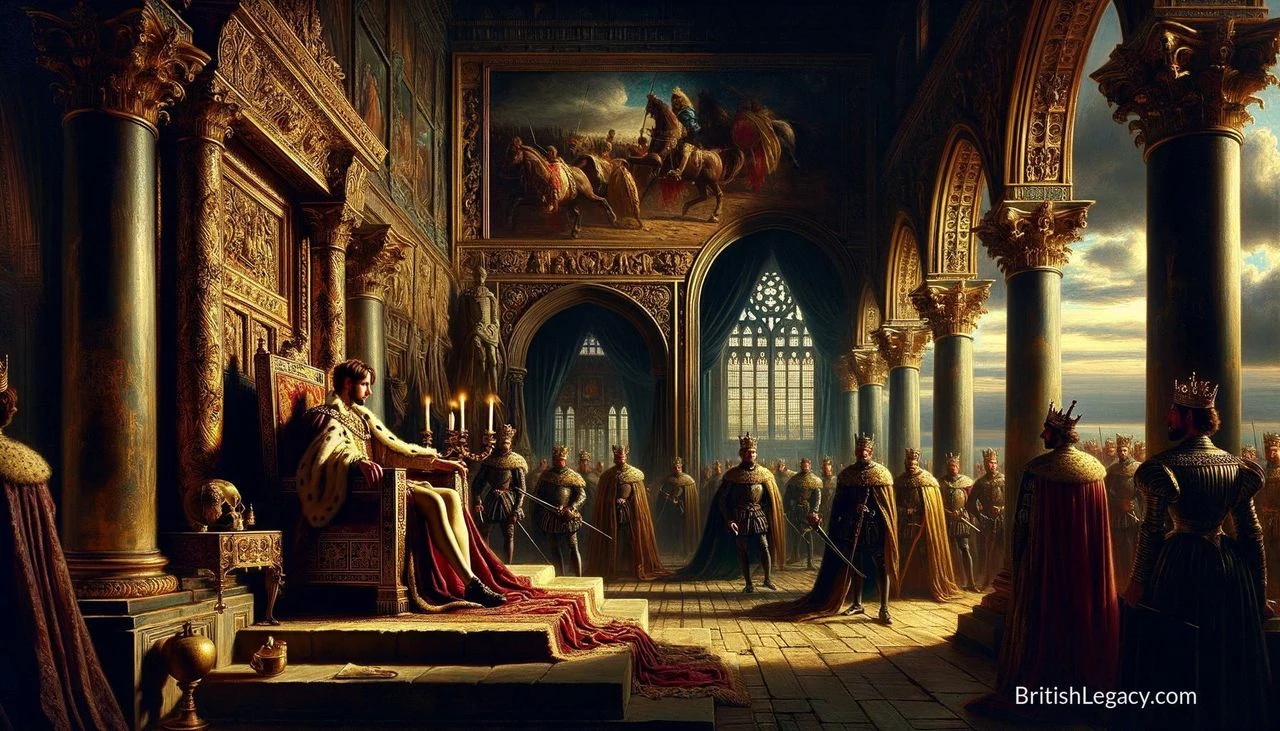
"Richard II" is a history play that chronicles the fall of King Richard II, who ruled England from 1377 until his deposition in 1399. The narrative begins with Richard mediating a dispute between his cousin, Henry Bolingbroke, and Thomas Mowbray. As sovereign, Richard banishes both men, setting off a chain of events that lead to his undoing.
The story thrusts forward as Richard confiscates Bolingbroke's inheritance to fund a war in Ireland, igniting animosity and rebellion. Bolingbroke returns to England, not only to reclaim his inheritance but also to galvanise supporters against Richard’s despotic rule. The climax centres on Richard's eventual capture and forced abdication, paving the way for Bolingbroke to ascend the throne as King Henry IV. Richard’s introspection and tragic realisation of his flaws are poignantly portrayed in the prison scenes, capturing the essence of human frailty and the merciless passage of time.
Historical and Literary Significance
"Richard II" is more than just a dramatic retelling of historical events; it is a profound exploration of themes such as the divine right of kings, the nature of power, and the personal cost of leadership. Shakespeare melds historical accuracy with dramatic artifice, elevating the real-life tale of Richard II into a paradigmatic story of hubris and downfall.
The language and structure of the play are noteworthy. Written entirely in verse, "Richard II" features some of Shakespeare’s most lyrical and reflective soliloquies. The poetical intricacies and the symbology within the play underscore Shakespeare’s mastery over the English language.
Contribution to British Legacy and World Theatre
"Richard II" has indelibly influenced the fabric of British culture and literature. It sits within the Henriad—a collection of Shakespeare’s history plays that paint a grandiose portrait of England’s dynastic struggles. The play’s legacy extends beyond historical dramatization; it has shaped public perception of historical figures and events, enriching the collective understanding of Britain's medieval past.
On the global stage, "Richard II" has had a profound impact on world theatre. Its performances resonate with themes universal to the human condition, ensuring its relevance across cultures and epochs. Directors and actors have found endless interpretive possibilities within its richly composed lines, allowing each generation to encounter fresh insights into Shakespeare’s portrayal of regality and ruin.
In summary, "Richard II" is indispensable in the realm of British theatre. It is a testament to Shakespeare’s genius, a cultural artefact that bridges history and literature, and a time-honoured piece that continues to enlighten and engage audiences worldwide. Its sustained prominence affirms its place as a vital thread in the tapestry of British heritage and a luminary in the global theatrical tradition.