Richard III: A Cornerstone of British Theatre
Authorship and Historical Context
"Richard III," penned by the illustrious William Shakespeare, stands as one of the most influential and celebrated works in British theatre. Written circa 1592, this historical play delves into the Machiavellian ascent and ultimate demise of King Richard III. Shakespeare, unparalleled in his narrative prowess and literary craft, immortalised his version of Richard in a script that continues to resonate through the ages.
Notable Productions and Performances
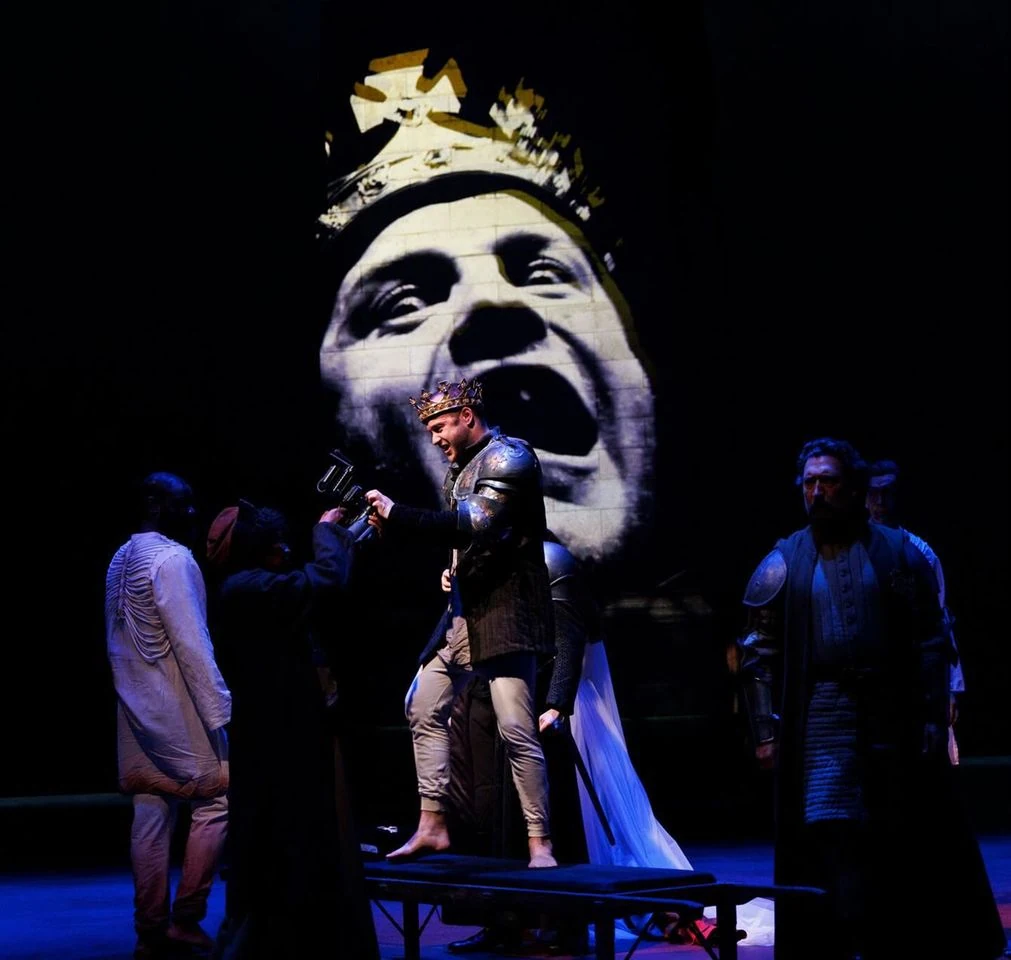
From its early days in Elizabethan playhouses to modern-day renditions, "Richard III" has been staged countless times across the globe. Key performances that carved its esteemed place in the annals of theatre include Laurence Olivier's brilliant portrayal in 1944, which was immortalised in his 1955 film adaptation, and more recently, Mark Rylance's captivating interpretation with the Globe Theatre Company. The play has graced famous stages such as the Royal Shakespeare Theatre in Stratford-upon-Avon, and London's famed West End, often to sold-out audiences, reflecting its enduring allure.
Engaging Summary
"Richard III" paints a chilling portrait of ambition and tyranny. The play opens in post-war England, with Richard, Duke of Gloucester, plotting to ascend the throne. Deformed in body but extraordinarily shrewd, Richard manipulates, deceives, and murders his way to kingship. He orchestrates the deaths of his brothers Clarence and King Edward IV, marries and discards Lady Anne, and eliminates any threats to his claim.
Richard's treacherous reign marks a period of paranoia and bloodshed, climaxing in his infamous cry of "A horse, a horse! My kingdom for a horse!" during the Battle of Bosworth Field. His foes, led by the Earl of Richmond, overcome him, and Richard’s death signals the end of the Wars of the Roses, ushering in the Tudor dynasty with Richmond crowned as Henry VII.
Cultural and Theatrical Significance
"Richard III" holds significant cultural importance, enriching Britain's literary and theatrical heritage. Shakespeare's characterisation of Richard III, though historically contentious, offers a profound exploration of power and morality. The play's complex protagonist captivates audiences, embodying the duality of human nature as both monstrous and charismatic.
The enduring popularity of "Richard III" is a testament to its profound impact on theatre. It has influenced countless adaptations, inspiring artists, filmmakers, and playwrights to explore themes of ambition, integrity, and the human condition. The play's contribution to British heritage extends beyond theatre, shaping perceptions of historical and political narratives.
Global Influence
On the international stage, "Richard III" has been embraced and reimagined across various cultures, reflecting its universal themes and timeless relevance. Its translation into numerous languages and performances in diverse settings highlight Shakespeare's enduring global legacy.
Legacy and Heritage
"Richard III" stands as a cornerstone of British theatre, a seminal work that has defined and enriched the cultural landscape. Its compelling narrative, intricate character development, and insightful exploration of power dynamics ensure its place as a critical component of Britain's artistic and historical narrative. The play’s continual revival speaks to its relevance and the perpetual fascination with Shakespeare's exploration of ambition, power, and the human psyche.
In conclusion, "Richard III" not only represents a pivotal moment in British theatre but also serves as a foundational piece in the mosaic of Shakespeare's illustrious career. Its contributions to British legacy and worldwide theatre remain unparalleled, affirming its status as a masterpiece of narrative and dramatic art.