The Beatles' Rooftop Concert: A Defining Moment in British Music History
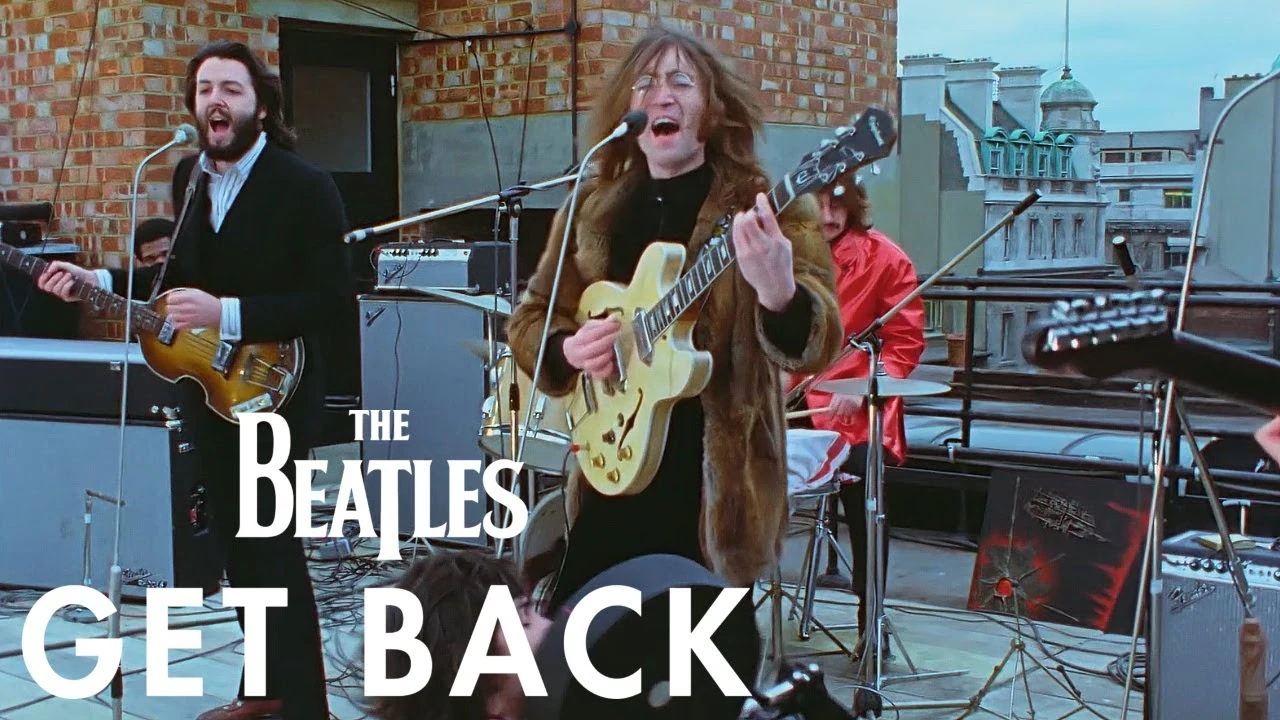
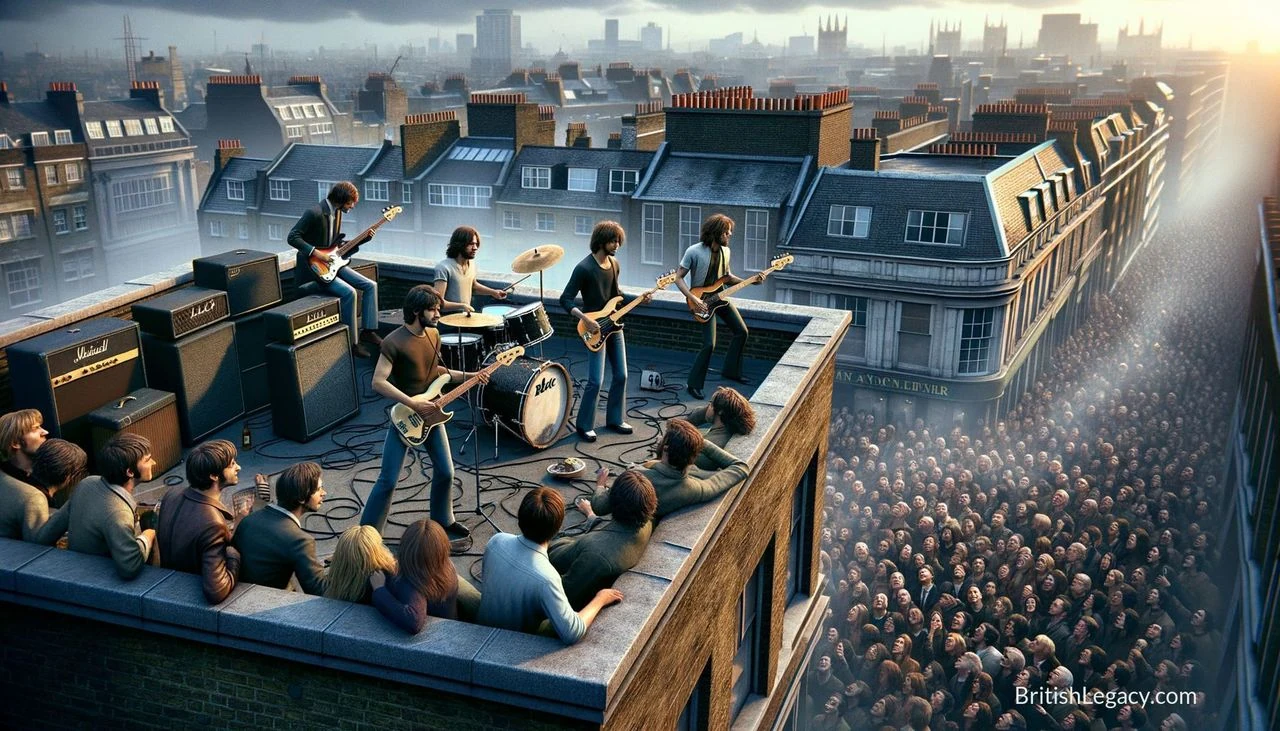
In the annals of British cultural history, few events command as much reverence and intrigue as The Beatles' Rooftop Concert of 1969. On a chilly January 30th, the world-renowned band gave what would become their final public performance on the rooftop of Apple Corps, their multimedia corporation located at 3 Savile Row, London. This spontaneous and impromptu concert brought the bustling heart of London to a standstill and left an indelible mark on the legacy of British music.
Setting the Stage
It was an era of social upheaval, creative expression, and profound change. The 1960s had seen The Beatles evolve from teenage heartthrobs into complex and innovative artists, pushing the boundaries of music and culture. By the time they reached the rooftop of Apple Corps, The Beatles had already rewritten the rules of pop music, influencing a generation and carving out a permanent place in the annals of music history.
The Performance
The rooftop concert was performed to an unsuspecting audience, comprising passers-by, office workers, and die-hard fans gathered in the streets below. The band, consisting of John Lennon, Paul McCartney, George Harrison, and Ringo Starr, delivered a setlist that included now-iconic tracks such as "Get Back," "Don't Let Me Down," "I've Got a Feeling," "One After 909," and "Dig a Pony."
The energy was palpable. John Lennon's soulful vocals, Paul's melodic bass lines, George Harrison's intricate guitar work, and Ringo Starr's steadfast drumming coalesced into a sound that was both familiar and fresh. The rooftop setting added a layer of rawness and authenticity, distancing it from the carefully manicured performances that characterised their earlier career.
Cultural Impact
This final performance was more than just a concert; it was a cultural moment that epitomised the spirit of the times. The rooftop concert encapsulated the band's willingness to experiment and break convention, merging the worlds of music, film, and social commentary. Filmed as part of the documentary "Let It Be," the event was intended to capture The Beatles' creative process and the dynamic tensions within the band. The resulting footage became a pivotal moment in British cinema, providing an unvarnished glimpse into the lives of four young men whose music had already transcended geographic and cultural boundaries.
Legacy and Influence
The Beatles' Rooftop Concert has since been enshrined as a defining moment in British—and global—music history. Its impact is multi-faceted:
-
Musical Innovation: The setlist featured songs that remain pivotal to rock and roll history. Tracks like "Get Back" and "Don't Let Me Down" continue to inspire musicians across genres, their timeless quality a testament to The Beatles' unparalleled songwriting prowess.
-
Cultural Resonance: The unannounced nature of the concert caught Londoners by surprise, creating an almost mythic quality. It was a fleeting moment that showcased the magic of spontaneity, a rare slice of unmediated musical joy in a city more accustomed to formal performances.
-
Influence on Live Performances: The rooftop concert has inspired countless other artists to seek out unconventional venues, from U2's rooftop performance in Los Angeles to more intimate, impromptu gigs by emerging bands. It immortalised the concept of live performance as an act of artistic expression rather than mere entertainment.
-
Documentary Film: The footage captured by Michael Lindsay-Hogg for the "Let It Be" documentary immortalised the event, providing future generations with a visual and auditory record of The Beatles at a critical juncture in their career.
Wrap-Up
The Beatles' Rooftop Concert remains a touchstone of British cultural heritage, encapsulating a moment in time when music, culture, and social change converged on a rooftop in London. It was a poignant farewell from a band that had already achieved legendary status and a fitting testament to the enduring impact of British creativity and innovation. As we look back on that cold January day in 1969, we remember not just the songs or the spectacle, but the spirit of transformation and unity that continues to inspire, influence, and define the legacy of The Beatles and, by extension, the essence of British music.