Birmingham New Street is both a railway station and a passage through the centre of England’s second city. Its redevelopment, completed in 2015, sought to address overcrowding and outdated facilities while making the station a more usable part of the city centre. A larger concourse, a new roof and the integration of Grand Central changed the experience of moving through the building, as well as its appearance.
A station under pressure
New Street opened in the nineteenth century and became an important part of the UK railway network. By the time of the redevelopment, the existing station was described as overcrowded and outdated. Rising passenger numbers had made the case for a substantial upgrade: the station needed to handle more people, improve the conditions in which they travelled and better serve its position in the city centre.
The project was presented not simply as a station refurbishment but as a way to improve the surrounding centre. Network Rail worked with Birmingham City Council and the Department for Transport on a redevelopment plan reported to cost £750 million. Its aims included increasing capacity, improving the passenger experience and contributing to the regeneration of central Birmingham.
Opening up the concourse
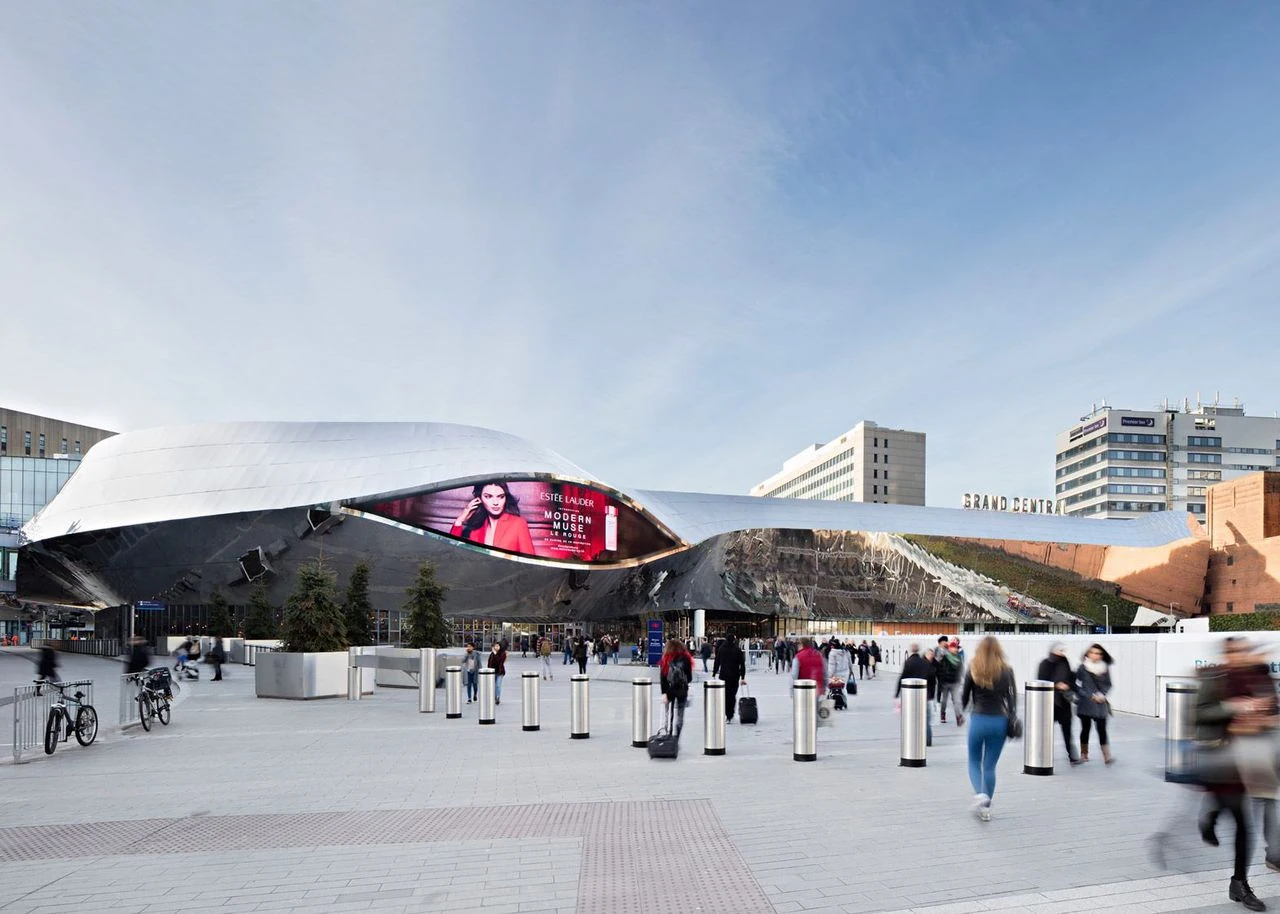
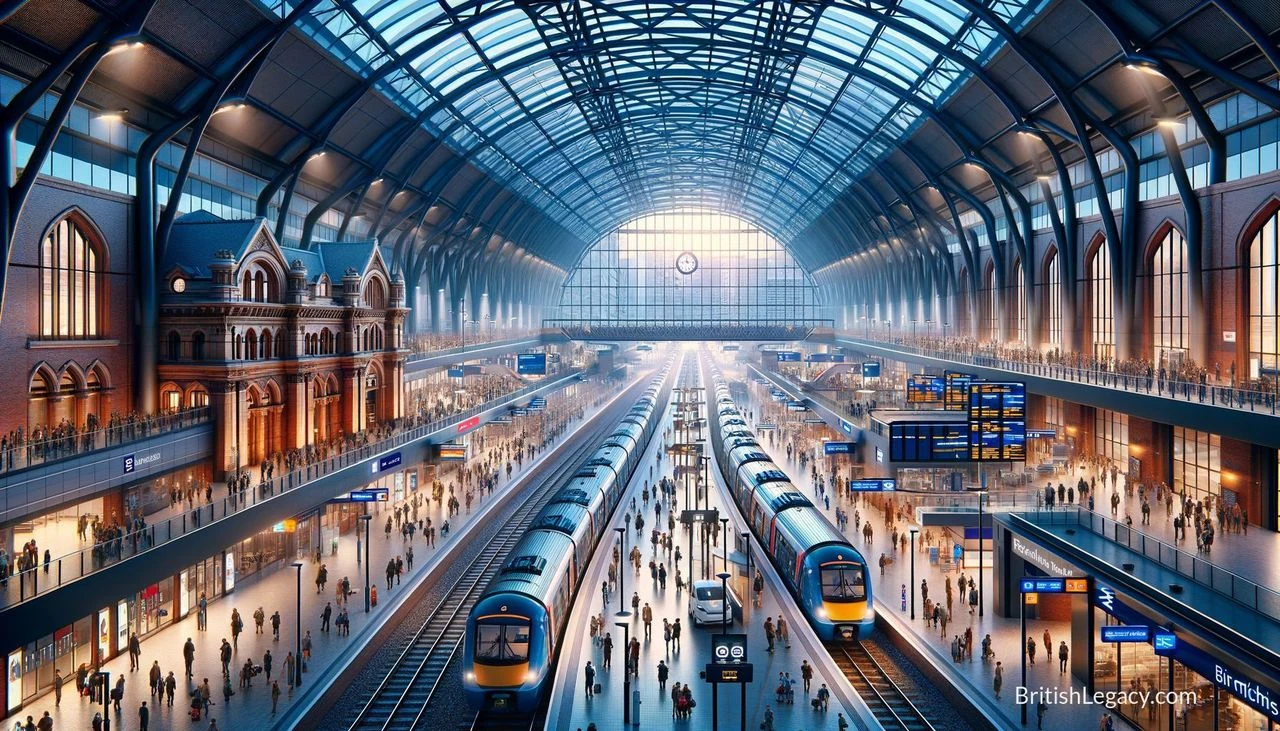
The redesigned station introduced a new atrium roof and a concourse described as five times larger than before. Natural light reaches into the interior, while the expanded space gives passengers more room to move through the station. The exterior’s reflective stainless-steel cladding gives the building a markedly different presence from its earlier, darker interior.
The changes also included new entrances, improvements to the platforms and alterations to the track layout. Digital information screens, retail space and ticketing facilities formed part of the updated station. Together, these elements addressed different parts of the journey: finding the right route into the building, navigating the concourse and accessing information and services before travelling.
The redevelopment account gives a figure of 140,000 passengers passing through the station daily. That number helps explain the emphasis on space and circulation in the redesign. The concourse’s enlargement was not simply an architectural gesture; it was intended to make a busy interchange easier to use.
Grand Central and the city centre
Grand Central, the shopping centre integrated with the station, extended the project beyond railway operations. Its shops, restaurants and leisure facilities brought commercial activity into the redeveloped complex and made it a place to visit as well as a point of departure or arrival. The connection between station and shopping centre gave the scheme a broader role in the city centre.
The redevelopment was also intended to support Birmingham’s wider urban regeneration and improve connections across the railway network. Better facilities at a major station can make journeys through a city more straightforward; the account of the project also links New Street’s improved connectivity with the city’s appeal to business, tourism and education. Those broader economic effects are presented as aims and potential benefits, rather than measured outcomes.
Why Birmingham New Street deserves a place in British Legacy
The redevelopment deserves a place in British Legacy because it addresses a practical public need at a major point in the country’s transport network. New Street’s challenge was not only to present a new façade, but to accommodate large numbers of passengers in a station described as overcrowded and outdated. A larger concourse, a new roof, improved entrances and updated passenger facilities show how design and engineering can be applied to the everyday demands of travel.
Its significance also lies in bringing transport and city-centre activity together. Grand Central connects the station with shops, restaurants and leisure facilities, while the wider plan linked the project to the regeneration of central Birmingham. The available account does not establish the scale of any resulting economic growth, so the legacy is best understood through the changes it describes: a more spacious station, updated facilities and a closer relationship between the railway hub and its urban surroundings. That is a concrete contribution to public infrastructure and to the experience of people moving through Birmingham.