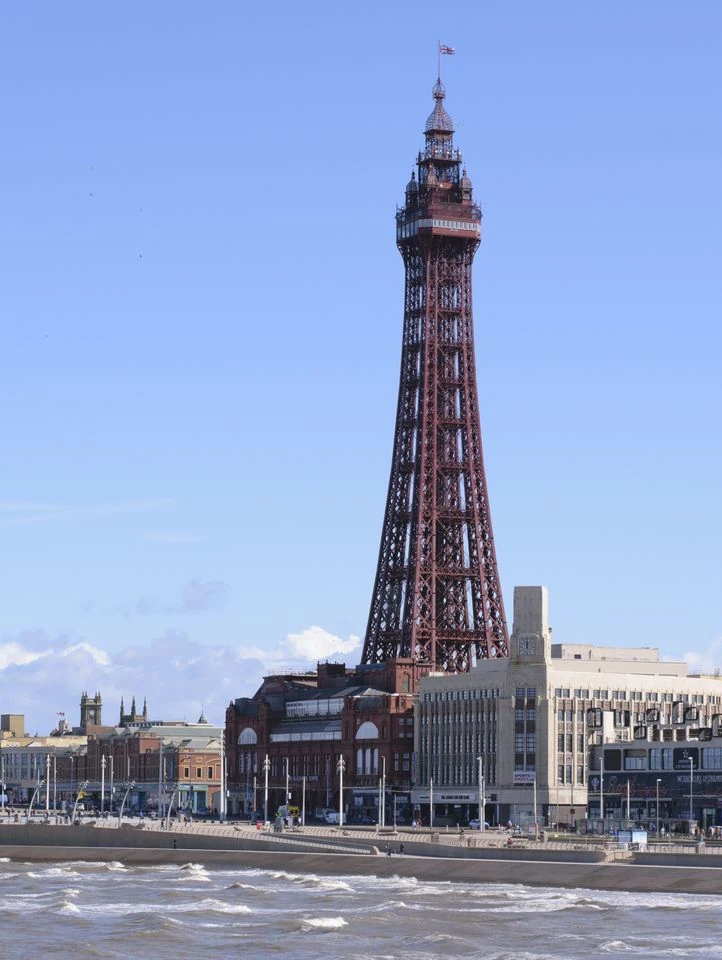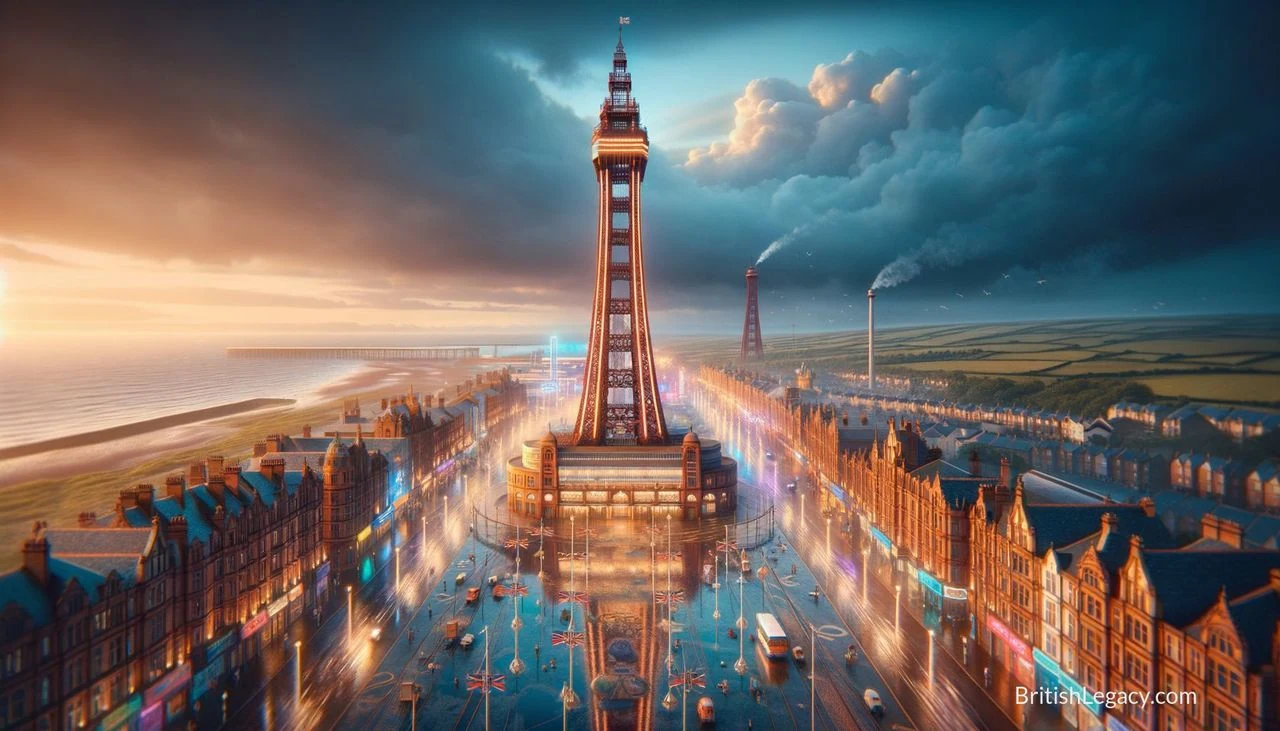
Blackpool Tower was built to be more than a striking silhouette above the Lancashire coast. Completed in 1894, it combined the spectacle of a great iron structure with the pleasures of a resort attraction: visitors could rise above the town, take in the view and spend time at the ballroom or circus. That blend of engineering and entertainment has helped make the Tower a lasting feature of British seaside culture.
A tower for a growing resort
The idea drew inspiration from the Eiffel Tower in Paris, but Blackpool’s project had a distinct purpose. Its backers aimed to create an entertainment destination as well as a landmark. John Bickerstaffe, then Mayor of Blackpool, championed the ambition to make the town a leading coastal resort. The Tower’s position in that plan joined civic aspiration to the commercial promise of seaside tourism.
Designed by architects James Maxwell and Charles Tuke, the structure rises 518 feet. Its construction used more than 2,500 tonnes of iron and five million bricks, combining an iron framework with masonry. The scale made the Tower visible well beyond its immediate surroundings; the materials and engineering gave that height a substantial physical presence. A lift carried visitors upwards, turning the journey to the top into part of the attraction. For a visitor, the elevated view offered a new perspective on the coast and a direct encounter with the era’s confidence in engineering.
Views, dancing and circus
The Tower’s appeal was never confined to its exterior. Its ballroom, known for its ornate interior and sprung dance floor, became a destination for dancers and spectators. The room’s reputation has continued into modern popular culture through its association with the BBC’s Strictly Come Dancing. That connection gives a historic entertainment venue a continuing place in the country’s television life, while its dance floor remains central to the Tower’s identity.
The Tower Circus offers a different kind of spectacle. Beneath its Big Top, performances have included clowns and acrobats, carrying on a tradition of live entertainment for audiences of different ages. Together, ballroom and circus show how the Tower was conceived as an active venue, not simply a structure to admire from the promenade. Its attractions have allowed the building to serve changing tastes while keeping shared entertainment at the centre of the visitor experience.
Keeping a landmark in use
Over more than a century, the Tower has stood through world wars and changing fashions in entertainment and tourism. Its continuing presence reflects both its architectural prominence and its practical role in Blackpool’s leisure offer. Later restoration work has sought to maintain its appeal, while the Tower Eye adds a contemporary viewing experience. Its glass skywalk gives visitors a view of the coastline from above, renewing the original promise of height and panorama in a form suited to present-day audiences.
The Tower has also become part of how Blackpool is represented and remembered. It is described as a reference point in British popular culture and as an influence on artists, filmmakers and writers. The specific reach of that influence is not reducible to one attraction or performance: the landmark supplies a recognisable setting for memories of the resort and its entertainment. Its combination of ironwork, elevated views and busy public venues has helped it remain both a working attraction and a familiar image of seaside Britain.
Why The Blackpool Tower deserves a place in British Legacy
The Tower deserves a place in British Legacy because it brings together two developments that shaped the Victorian seaside: confidence in large-scale engineering and the growth of leisure as a public experience. Its iron framework and brick construction made height itself part of the attraction, while the lift allowed visitors to enjoy a view that had once been beyond ordinary reach. Yet the building’s significance is not only structural. From its early conception as a resort destination, it was designed to draw people into performances and shared experiences as well as to command attention from outside.
Its ballroom and circus have given that original purpose different forms, from dancing on a sprung floor to live acts beneath the Big Top. Its later viewing attraction carries the panoramic experience into a new era, while its association with Strictly Come Dancing links the venue to contemporary television. For Blackpool, the Tower is a landmark with an active cultural and visitor role, not simply a remnant of the nineteenth century. Its long combination of engineering, entertainment and public access makes it a distinct part of Britain’s history of seaside life.