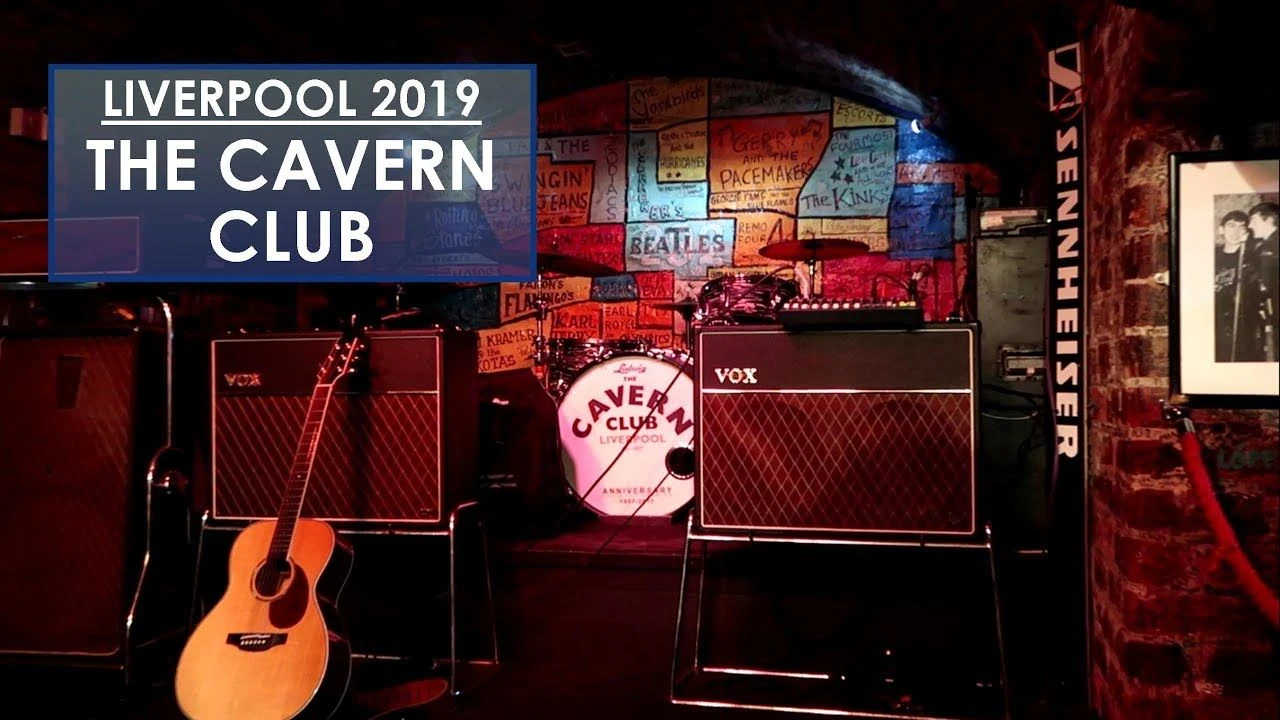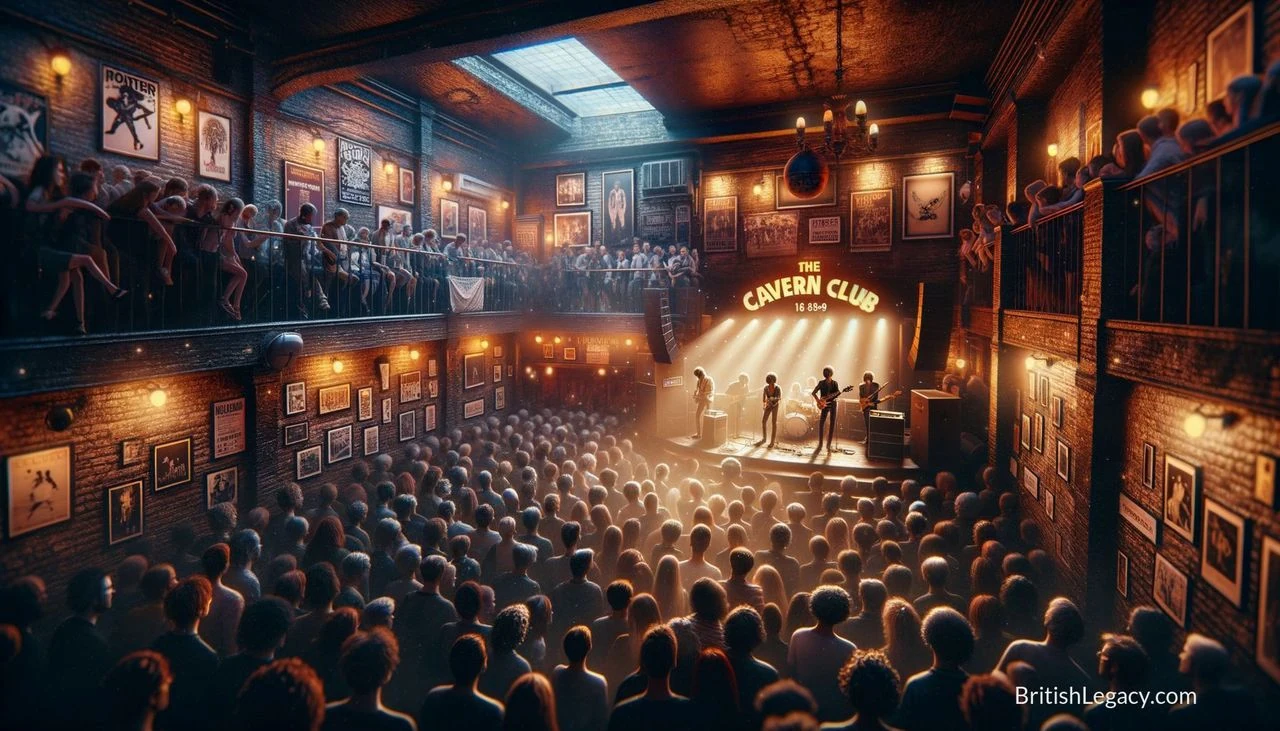
On Mathew Street in Liverpool, the Cavern Club’s name is closely bound to the Beatles’ early career. The group played there nearly 300 times, appearing regularly before a local audience as they honed their performances. Yet the club’s story began before the Beatles: it opened as a place for jazz and skiffle, later embraced rock and roll, and hosted other artists associated with Merseybeat. The original venue was eventually demolished; a club reopened nearby in 1984.
A jazz club beneath Liverpool
Local entrepreneur Alan Sytner opened the Cavern Club on 16 January 1957. Inspired by jazz clubs he had seen in Paris, he set out to create a Liverpool venue where musicians could perform in an underground setting. The club initially catered to jazz and skiffle, then made room for the emerging rock-and-roll movement.
That change in musical focus placed the Cavern within a developing live-music scene. Its later association with the Beatles can overshadow its origins, but the venue was not created specifically for the band. It began as a place for musicians and audiences drawn to jazz and skiffle, then adapted as popular music changed.
The Beatles and the Merseybeat scene
The Beatles made their Cavern debut on 9 February 1961. John Lennon, Paul McCartney and George Harrison were members of the group; Ringo Starr joined later. Across their time at the club, they performed nearly 300 times. These repeated appearances helped them hone their craft and build a devoted local following, making the Cavern a significant setting in the group’s early history.
The Beatles were not the only performers associated with the venue. Gerry and the Pacemakers, the Searchers and Cilla Black also played there as figures in the Merseybeat movement. Their presence locates the Cavern within a wider Liverpool music scene, rather than making its history solely a story of one band. The club became associated with a British popular-music movement whose performers went on to reach audiences beyond the country.
Demolition and a new venue nearby
The original Cavern Club closed and was demolished in 1973. In 1984, a club reopened a short distance from the original site. The later venue was built to recall the original’s character, including its arched brick walls and intimate atmosphere, but the sequence matters: the building that had hosted the Beatles was demolished, and the club returned nearby rather than continuing in the original premises.
The reopened Cavern operates as both a visitor attraction and a live-music venue. Its programme features performers across genres, keeping live performance part of the club’s present identity. The site therefore carries two connected histories: the remembered performances of the original venue and the continuing musical activity of the club that reopened close to it.
Why The Cavern Club deserves a place in British Legacy
The Cavern Club merits a place in British Legacy because its history connects a particular Liverpool venue to the development and international reach of British popular music. The Beatles’ nearly 300 performances there were not confined to a single celebrated appearance. They returned repeatedly, working before local audiences and building a following. The club also hosted Gerry and the Pacemakers, the Searchers and Cilla Black, placing its Beatles association within the wider Merseybeat scene.
The club’s story also makes clear that cultural history belongs to places as well as performers. The original venue closed and was demolished in 1973; the club reopened nearby in 1984, carrying forward the name and recalling the earlier atmosphere without being the original premises. Today’s live-music use links that history to a continuing role as a performance venue. Together, these details give the Cavern a distinctive British legacy: it is a Liverpool music landmark associated with artists who shaped the story of popular music, and a place where live performance remains part of its identity.