Certainly! Here's a comprehensive article about the Churchill War Rooms:
The Churchill War Rooms: A Pillar of British Resolve during WWII
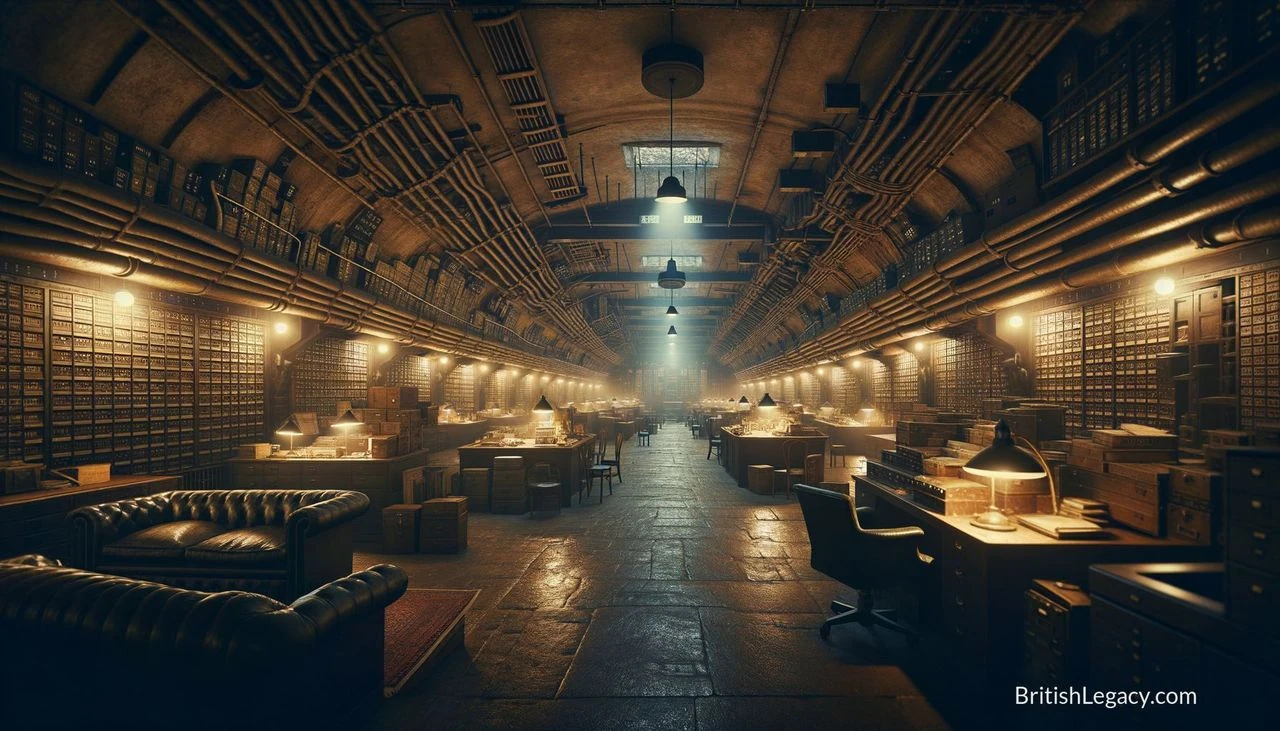
Nestled beneath the bustling streets of Westminster lies a subterranean complex that played a pivotal role in shaping the course of World War II and, by extension, the trajectory of global history. Known today as the Churchill War Rooms, this historic underground command centre became the nerve centre of Britain's wartime strategy and stands as a testament to British resilience, ingenuity, and determination.
A Place of Command and Control
The Churchill War Rooms, part of the broader Imperial War Museums, were purpose-built in anticipation of the looming threat posed by Adolf Hitler's Nazi regime. Recognising the need for a secure, bomb-proof location, construction began in 1938 and concluded swiftly in 1939, just in time for the outbreak of the Second World War.
Enter Sir Winston Churchill
The heart and soul of this vast warren of chambers, however, was not in its walls but in its occupants. Prime Minister Winston Churchill, a figure as indomitable as the British spirit itself, took charge here, steering the United Kingdom through its darkest hours. Churchill’s indelible presence, marked by his unyielding advocacy for victory and morale-boosting rhetoric, infused these rooms with a sense of purpose and tenacity.
The Structure and Its Facilities
The War Rooms are an intricate network comprising the Cabinet Room, where senior leaders would deliberate and strategise; the Map Room, a hallowed space featuring an extensive array of maps used to chart the progress of the war; and the Transatlantic Telephone Room, a clandestine space where Churchill could hold secure conversations with President Roosevelt.
Daily life for the workers, military personnel, and government officials confined within the War Rooms was strenuous. The confined quarters demanded resilience and efficiency. Nonetheless, the maze of rooms buzzed with activity, vital communications, and wartime planning activities that were crucial to the Allied war effort.
Churchill’s Legacy
The War Rooms remained operational from 1939 until the cessation of hostilities in 1945, after which they were sealed, almost untouched for years, preserving an authentic slice of wartime history. In 1984, the decision was made to open the War Rooms to the public, allowing a new generation to step back into an epoch that defined the resilience of a nation. The museum encapsulates the wartime ethos, featuring displays and artefacts that tell the riveting stories of those who served there and offering an unparalleled insight into the strategic mind of Sir Winston Churchill.
To walk through the corridors of the Churchill War Rooms is to step back in time and experience the fulcrum upon which modern history pivoted. The atmosphere is thick with the echoes of pivotal decisions, the hum of typewriters, and the gravity of global conflict.
Global Impact and British Heritage
The Churchill War Rooms are more than just an historical site; they are a symbol of the British spirit during World War II and a beacon of the broader legacy of Britain's impact on the world stage. Churchill's leadership from this underground bunker proved instrumental in forging the Allied struggle against tyranny, ultimately contributing to the liberation of Europe and the restoration of peace.
By preserving this space, Britain has ensured that future generations comprehend the magnitude of the sacrifices made during the war and the critical importance of steadfast, courageous leadership in times of crisis. The War Rooms, today, illuminate Britain's heroic legacy, the intricacies of wartime strategy, and the indomitable spirit of Winston Churchill and his contemporaries.
In Conclusion
The Churchill War Rooms are thus not just a relic of the past but a dynamic part of the British legacy that continues to inspire global audiences. They remind us not only of the perils faced during World War II but also of the extraordinary human capacity for resilience, leadership, and hope in the face of adversity. A visit to this historic underground command centre is an immersion into a defining chapter of British heritage, one that holds enduring relevance and a perennial place of pride in the annals of history.
Engaging, informative, and deeply resonant, the Churchill War Rooms remain a poignant chapter in the story of Great Britain—a nation whose legacy of courage, leadership, and strategic acumen has left an indelible mark on the world.