The Cotswolds are known for rolling hills, honey-coloured limestone buildings and villages whose histories reach beyond their picturesque streets. Across a broad area of south-central England, market towns and rural settlements reflect a landscape shaped by farming, medieval wool wealth and the preservation of historic buildings. Its character is not only scenic: local traditions, architecture and literary associations have helped make the region a familiar part of England’s cultural landscape.
Hills, villages and limestone
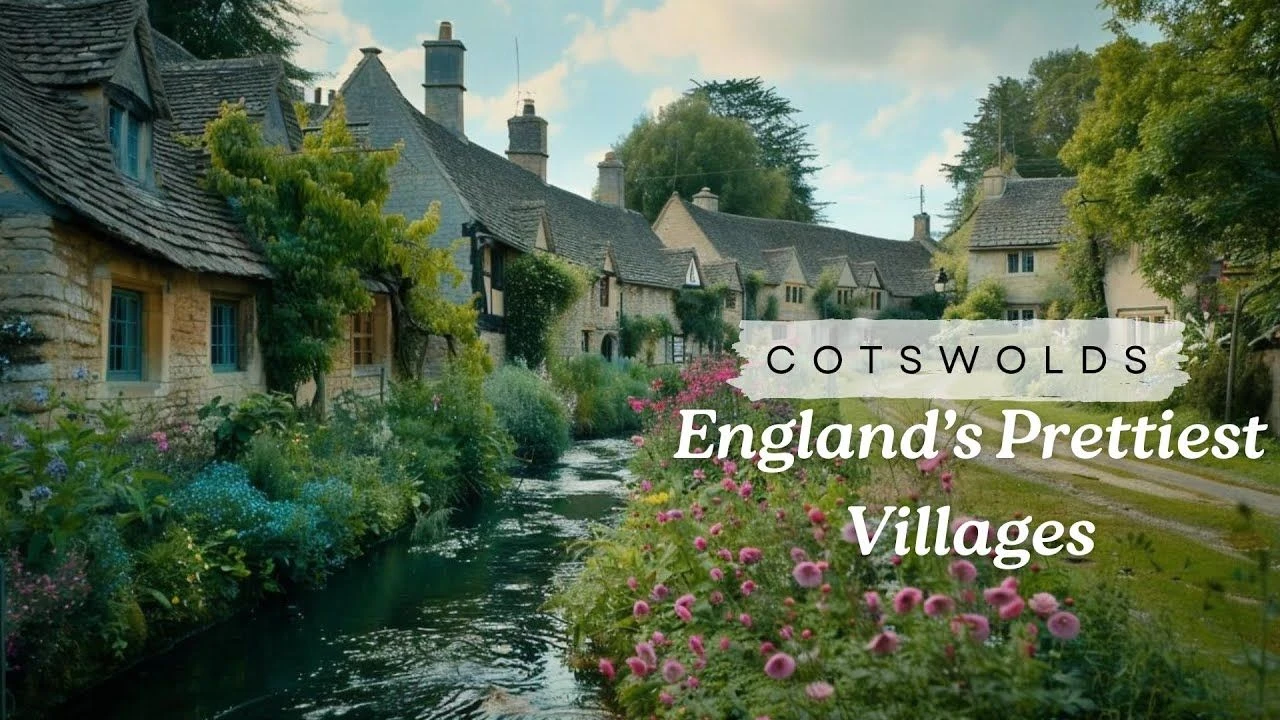
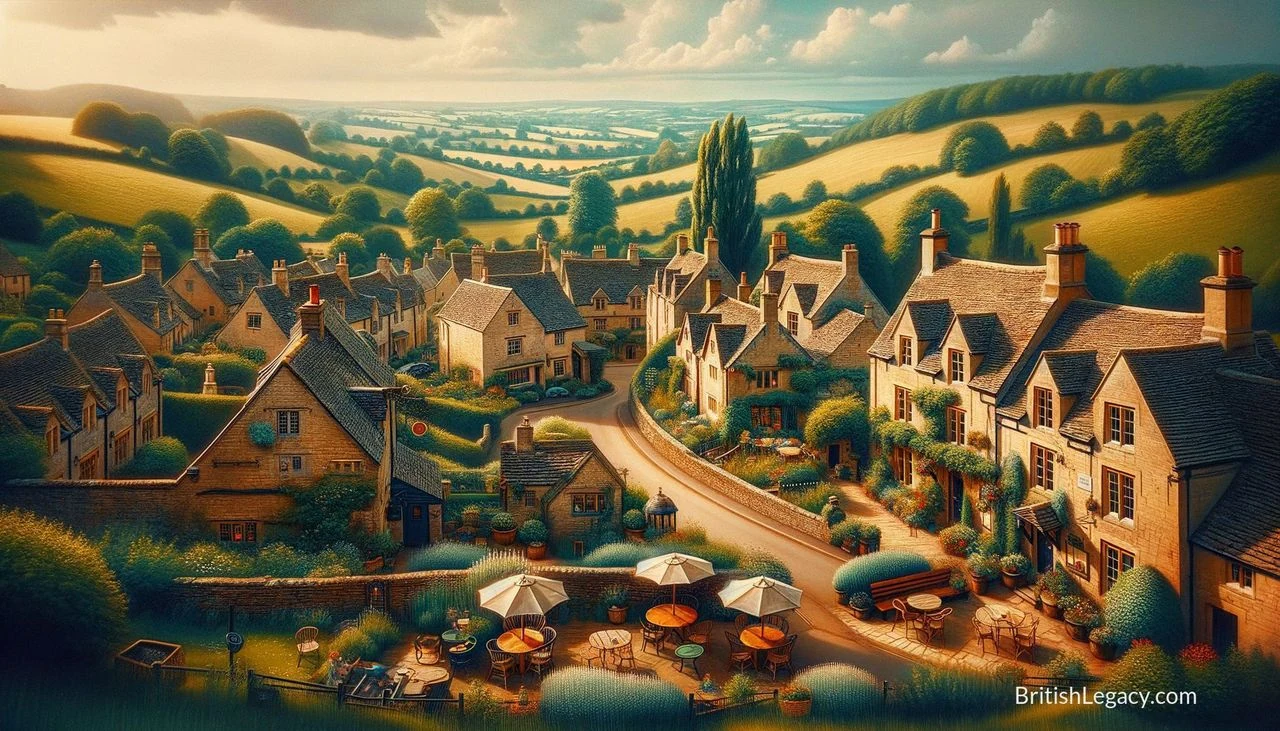
The Cotswolds extend across Gloucestershire, Oxfordshire, Warwickshire, Wiltshire, Worcestershire and Somerset. The landscape includes undulating hills, dry-stone walls and ancient woodland, alongside the pale limestone architecture associated with its villages. That material gives many buildings a recognisable colour and links the built environment to the underlying landscape.
Bourton-on-the-Water is known for its brooks, while Bibury has been associated with the writer and designer William Morris, who described it as “the most beautiful village in England”. These well-known places sit within a wider patchwork of narrow lanes, thatched roofs and pubs. Their appeal is often presented as timeless, but the villages are also places where the region’s history is visible in buildings and streets rather than confined to museums.
Wool wealth and market towns
Medieval prosperity in the Cotswolds was closely connected with the wool trade. The source account describes the region’s “Cotswold Lion” sheep and the quality of their wool, which was sold across Europe. Wealth from the trade helped fund large churches, commonly known as “wool churches”. Their scale and decoration stand as reminders of the economic strength that wool brought to the area.
Chipping Campden offers another view of that history. Its Market Hall dates from the seventeenth century, and the town’s High Street is noted for the continuity of its historic architecture. Together, the churches, market buildings and streets show how trade and prosperity shaped settlements across the region. The Cotswolds’ heritage is therefore not simply a collection of attractive façades: it records the work and commerce that supported them.
Stories, conservation and local traditions
The region has associations with writers and artists, and Laurie Lee’s Cider with Rosie is identified with a literary portrayal of rural life. The source also associates J. M. Barrie with a summer retreat at Minchinhampton. These connections sit alongside the Cotswolds’ continuing cultural profile, which attracts filmmakers and actors. A separate mention of Beatrix Potter’s Hill Top Farm does not establish a Cotswolds connection, so it is not included here.
Conservation areas, listed historic buildings and the Cotswolds Conservation Board are identified as parts of the effort to protect the area’s natural and architectural heritage while allowing modern life to continue. Local celebrations also keep traditions visible. Chipping Campden’s Cotswold Olimpicks are described as a sporting event dating back to the seventeenth century; Tetbury’s Woolsack Races involve participants carrying heavy wool sacks up a steep hill. Both draw on regional history in different ways: one through sport and spectacle, the other through the memory of the wool trade.
Why the Cotswolds deserves a place in British Legacy
The Cotswolds deserves a place in British Legacy because its landscape and built heritage tell a connected story. Limestone hills, dry-stone walls and villages are part of its visual identity, while wool-trade wealth helps explain the scale of its churches and the character of its market towns. Chipping Campden’s Market Hall and High Street, the “wool churches” and the traditions associated with sheep and wool give that history tangible forms. The region’s heritage is not just scenery: it preserves evidence of how trade shaped communities and their buildings.
Its legacy also lives through the work of conservation and through events that bring local history into public life. The Cotswolds Conservation Board, listed buildings and conservation areas represent efforts to balance protection with change; the Cotswold Olimpicks and Tetbury Woolsack Races keep particular traditions in view. Literary associations, including Laurie Lee’s account of rural life, add another layer to the region’s cultural identity. Together, these features explain the Cotswolds’ significance as a distinctive part of England: a place where natural character, historic prosperity and continuing community traditions can be understood alongside one another.