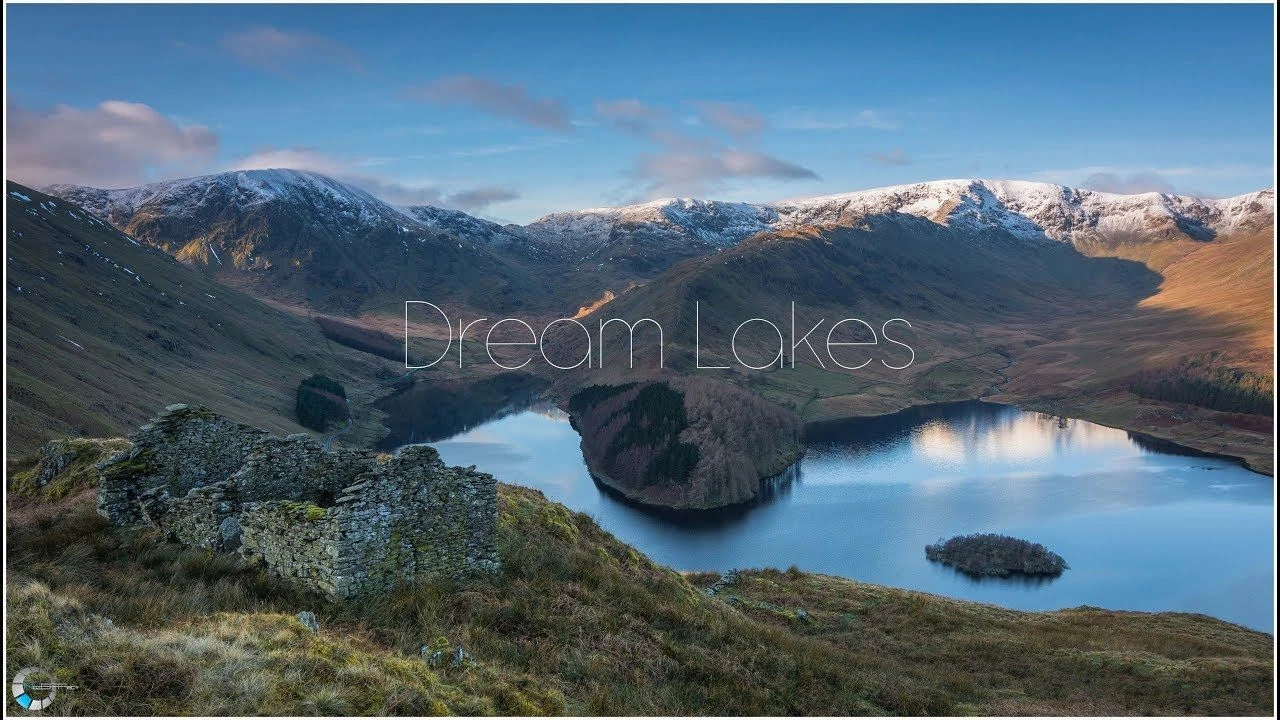
The Lake District’s mountains and lakes are only part of its story. In Cumbria, a landscape known for outdoor pursuits is also associated with Romantic poetry, Beatrix Potter’s writing and conservation work, historic stone circles, slate mining and sheep farming. These connections between land, people and culture help explain why the region was designated a UNESCO World Heritage Site in 2017.
A landscape of mountains and lakes
The region’s rugged mountains, valleys and lakes draw walkers, boaters and others seeking time outdoors. Scafell Pike is England’s highest peak. Windermere is described in the original account as the longest lake and Wastwater as the deepest; together they suggest the range of the Lake District’s waters, from a long, broad lake to one notable for its depth.
The landscape is not separate from the communities within it. Keswick and Ambleside are among the villages named in connection with traditional Lakeland industries, including slate mining and sheep farming. Those activities, along with the area’s historical sites, form part of its cultural heritage. At Castlerigg, an ancient stone circle offers a visible connection with early human settlement, set within a region whose identity also rests on its mountains, valleys and lakes.
Wordsworth, Coleridge and Potter
William Wordsworth’s association with the Lake District is especially strong. He lived at Dove Cottage in Grasmere, and the region is linked with poems including “I Wandered Lonely as a Cloud”. The landscape also connects to Samuel Taylor Coleridge, another of the Romantic poets named in the account. Their presence in the region’s literary story has made it a destination for readers as well as for people drawn by its scenery and outdoor activities.
Beatrix Potter gives that story a different reach. Her Peter Rabbit tales have delighted children around the world, while her efforts to preserve land through the National Trust connect her writing with conservation. The Lake District’s literary heritage is therefore not only a record of writers inspired by place: Potter’s work also links the cultural value of the countryside with attempts to protect it.
Heritage, recognition and visitors
The Lake District brings together natural features and evidence of human activity: mountains and lakes, villages shaped by rural industries, historic sites and literary associations. Its designation as a UNESCO World Heritage Site in 2017 recognised the region’s landscape and cultural significance. The account of that recognition also emphasises the relationship between preserving the area and accommodating modern tourism.
Visitors from Britain and abroad come for the scenery and to follow the connections with literary figures. Walking and boating offer ways to experience the landscape, while places such as Dove Cottage and Castlerigg point to distinct strands of its cultural history. The area’s appeal is thus more varied than a view from a lakeshore: it includes the land itself, the work carried out there and the writing and conservation associated with it.
Why the Lake District deserves a place in British Legacy
The Lake District deserves a place in British Legacy because its particular significance lies in the meeting of landscape and human history. Scafell Pike, Windermere and Wastwater give the region its striking physical character; Castlerigg, the villages and the histories of slate mining and sheep farming show how people have lived and worked within it. Its designation as a UNESCO World Heritage Site in 2017 recognises that natural and cultural significance together.
The literary connections make that legacy especially legible. Wordsworth and Coleridge link the region with Romantic poetry, while Potter’s Peter Rabbit stories have carried one connection far beyond Cumbria. Her land-preservation work through the National Trust adds a practical conservation strand to the story. Taken together, these are specific reasons the Lake District matters: it is at once a landscape for outdoor life, a place with a record of settlement and work, and a source of writing and efforts to preserve land.