The Liverpool Waterfront: A Jewel of British Heritage
The Liverpool Waterfront, a UNESCO World Heritage site, stands as a testament to the enduring legacy of Britain’s industrial might, cultural richness, and historical grandeur. Nestled along the banks of the River Mersey, this iconic landmark encapsulates the spirit of a city that has played a pivotal role in shaping the maritime, musical, and architectural narratives of the nation.
Historic Significance
The Liverpool Waterfront has long been a cornerstone of Britain’s maritime heritage. During the 18th and 19th centuries, Liverpool evolved into one of the world’s greatest ports, its docks bustling with the comings and goings of ships from every corner of the globe. It served as a gateway for goods and people, bridging distant continents and fostering international trade. The historical significance of Liverpool’s port cannot be overstated; it was instrumental in establishing Britain as a global economic powerhouse during the Industrial Revolution.
Architectural Marvels
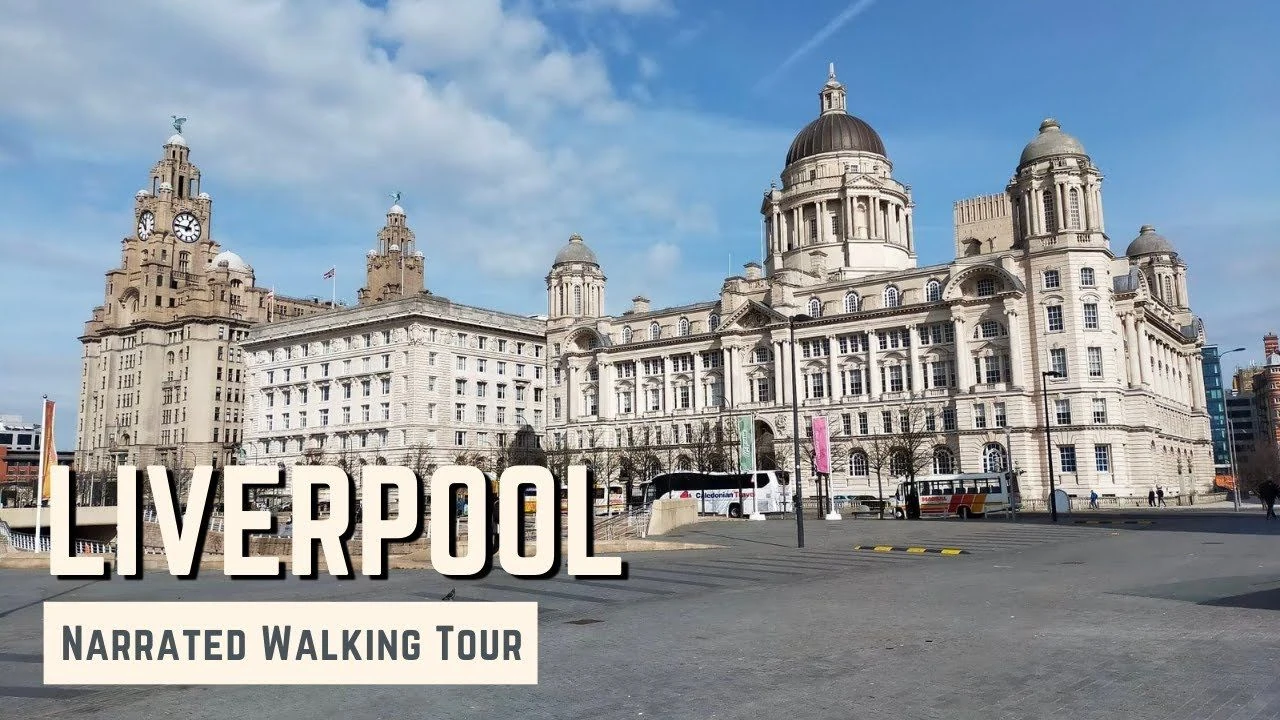
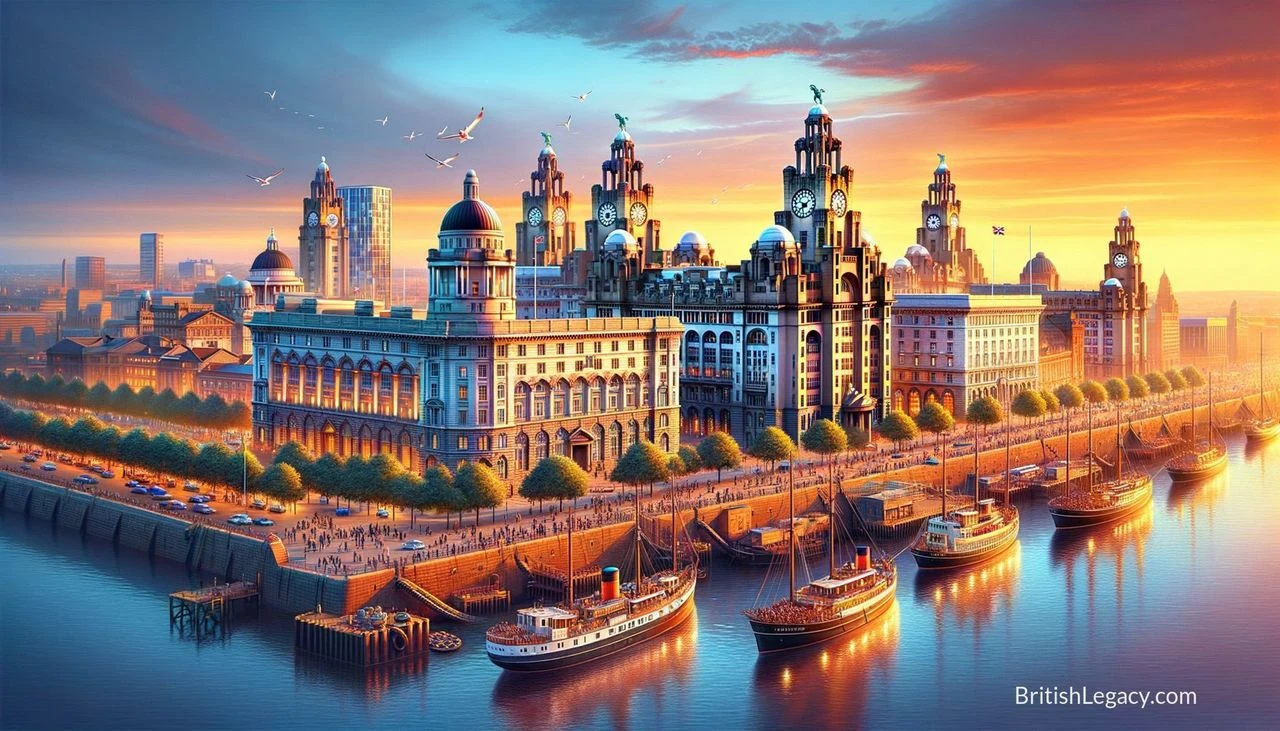
Architecturally, the Liverpool Waterfront is a feast for the eyes. The area is adorned with stunning buildings that reflect the grandeur and ambition of their time. Among the most notable are the Three Graces – the Royal Liver Building, the Cunard Building, and the Port of Liverpool Building. These magnificent structures are symbols of the city's prosperous past, with their imposing facades overlooking the Mersey. Each building tells a story of commercial might and civic pride, combining to create an urban landscape that exudes historical depth and aesthetic splendour.
The Royal Liver Building, capped with the iconic Liver Birds, is particularly storied. Completed in 1911, it stands as an enduring symbol of Liverpool’s resilience and innovation. Similarly, the Cunard Building speaks to the city’s maritime legacy, once serving as the headquarters for the Cunard Line, which brought oceans and peoples together.
The Beatles’ Legacy
No discussion about the Liverpool Waterfront would be complete without mentioning The Beatles. The Fab Four – John Lennon, Paul McCartney, George Harrison, and Ringo Starr – shot to global stardom from the clubs of Liverpool to become the most influential band in the history of popular music. The Beatles' legacy is intrinsically linked to Liverpool, and the city has celebrated this connection through the establishment of The Beatles Story museum located at the Albert Dock.
The museum is a treasure trove for music enthusiasts, detailing the humble beginnings of the band, their meteoric rise to fame, and their immortal influence on global music culture. Guided tours, memorabilia, and detailed exhibitions provide a deep dive into the lives of The Beatles and their indelible impact on not just British, but world heritage.
Cultural Renaissance
In recent years, the Liverpool Waterfront has undergone a vibrant cultural renaissance. The area is now a bustling hub of activity, seamlessly blending the old with the new. The regeneration of the historic Albert Dock into a lively centre for arts, entertainment, and dining has revitalised this part of the city. The Tate Liverpool art gallery, the Merseyside Maritime Museum, and the International Slavery Museum are just a few examples of the cultural institutions that enrich the waterfront, offering visitors insights into various facets of the city’s storied past and dynamic present.
A Global Impact
The Liverpool Waterfront's significance extends beyond British shores. Its designation as a UNESCO World Heritage site in 2004 reaffirmed its universal value to humanity. This recognition highlights the waterfront's influence on global maritime history, architecture, and culture. It stands as a beacon of Britain’s ability to innovate, adapt, and influence the wider world.
Wrap-Up: An Enduring Legacy
In summary, the Liverpool Waterfront is far more than a picturesque locale; it is a living narrative of British heritage and global impact. From its role as a maritime titan to its architectural landmarks and musical contributions, the waterfront is a remarkable ensemble of history, culture, and human endeavour. It continues to shape and reflect the essence of what makes Britain great, offering inspiration and pride for future generations. Whether it’s through the legacy of The Beatles or the enduring allure of its docks and buildings, the Liverpool Waterfront remains a quintessential part of the great British legacy that resonates worldwide.