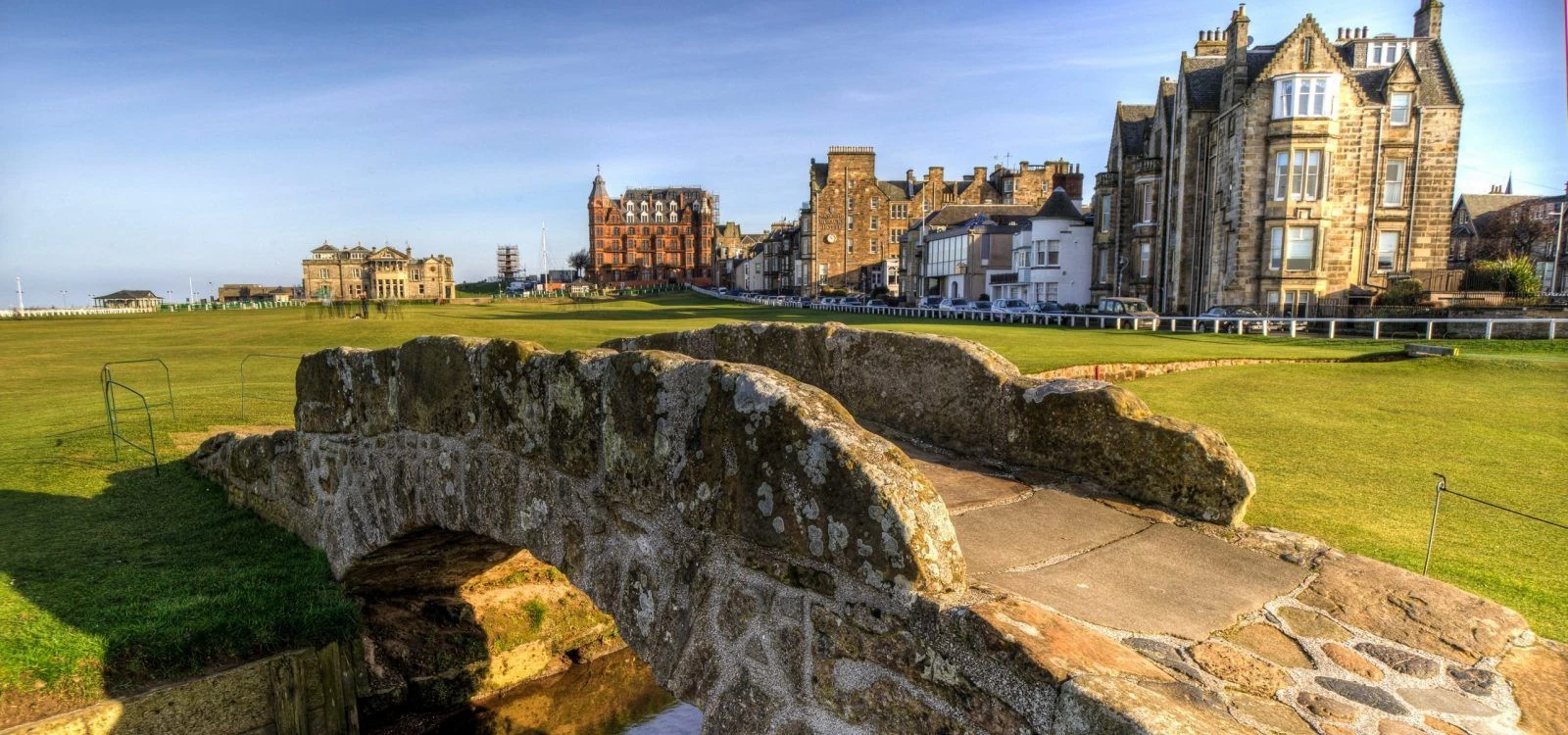
The Old Course at St Andrews: The Hallowed Turf of the Home of Golf
Perched on the rugged and windswept Fife coastline, the Old Course at St Andrews is not merely a golf course; it is a living testament to the history and enduring allure of the sport of golf. Known universally as the "Home of Golf," this ancient ground has shaped not only the game itself but also the wider cultural and sporting heritage of the United Kingdom.
Historical Significance
The roots of the Old Course at St Andrews dig deep into the soil of the British legacy, with records of golf being played on this venerable land dating back to the 15th century. The course's origin is often associated with the 1552 charter granted by Archbishop Hamilton, which permitted the townspeople of St Andrews to "play at golf, futball, schuteing... etc." This precious piece of history began a love affair between the course and the sport that has endured for centuries.
What truly sets the Old Course apart, however, is the role it played in formalising and popularising the game. In 1754, the Royal and Ancient Golf Club of St Andrews (R&A) was founded, and it soon became the game's ruling authority. The traditions and rules established by the R&A have had a profound influence on golf worldwide, securing St Andrews' place at the heart of the game's evolution.
Architectural and Environmental Mastery
The Old Course is famed for its natural, yet meticulously preserved layout. Unlike most modern golf courses, which are carefully designed by architects, the Old Course has evolved organically from the terrain's natural features. Its most celebrated attributes include the wide fairways, the infamous pot bunkers, and the sprawling double greens, each of which adds to the course's unique challenge and charm.
Particularly noteworthy is the course's relationship with the environment. The use of 'links' land – a coastal strip of sandy soil – exemplifies both a respect for nature and an understanding of how golf interacts with the environment. The course's features, such as Swilcan Bridge and Hell Bunker, have become iconic landmarks, steeped in history and lore.
Cultural and Global Impact
Over the decades, the Old Course has played host to numerous historic golf moments and a who's who of the sport's legends. It has staged The Open Championship – the world's oldest major golf tournament – 29 times, more than any other venue. Figures like Bobby Jones, Jack Nicklaus, and Tiger Woods have all tasted victory on its hallowed turf, adding layers to its mystique.
But the Old Course's influence extends beyond the professional game. It remains a public course, accessible to amateurs and enthusiasts who revel in the opportunity to walk the same fairways as the greats. This democratic ethos underscores the broader appeal of the sport, making golf a unifying force in British and global culture.
Legacy and Heritage
The Old Course at St Andrews is more than just a landmark of Scottish or British heritage; it is a symbol of tradition, excellence, and the enduring spirit of sport. The lessons and values promoted by the game – sportsmanship, integrity, and perseverance – are reflected in the course's storied past and are part of the rich tapestry of British cultural legacy. It is a place where history is not just remembered but palpably felt, where every divot tells a story, and every round is a journey through the annals of golfing greatness.
For visitors today and future generations, the Old Course offers a connection to the origins of golf and a profound appreciation of its development over time. Its impact on the sport and its cultural significance are immeasurable, reinforcing its status as an essential chapter in the chronicles of British heritage.
In the annals of British accomplishments that have left an indelible mark on the world, the Old Course at St Andrews stands as a quintessential example. It encapsulates the essence of tradition and innovation, unity and excellence, indelibly etching the history of golf and the spirit of Britain onto the world stage.