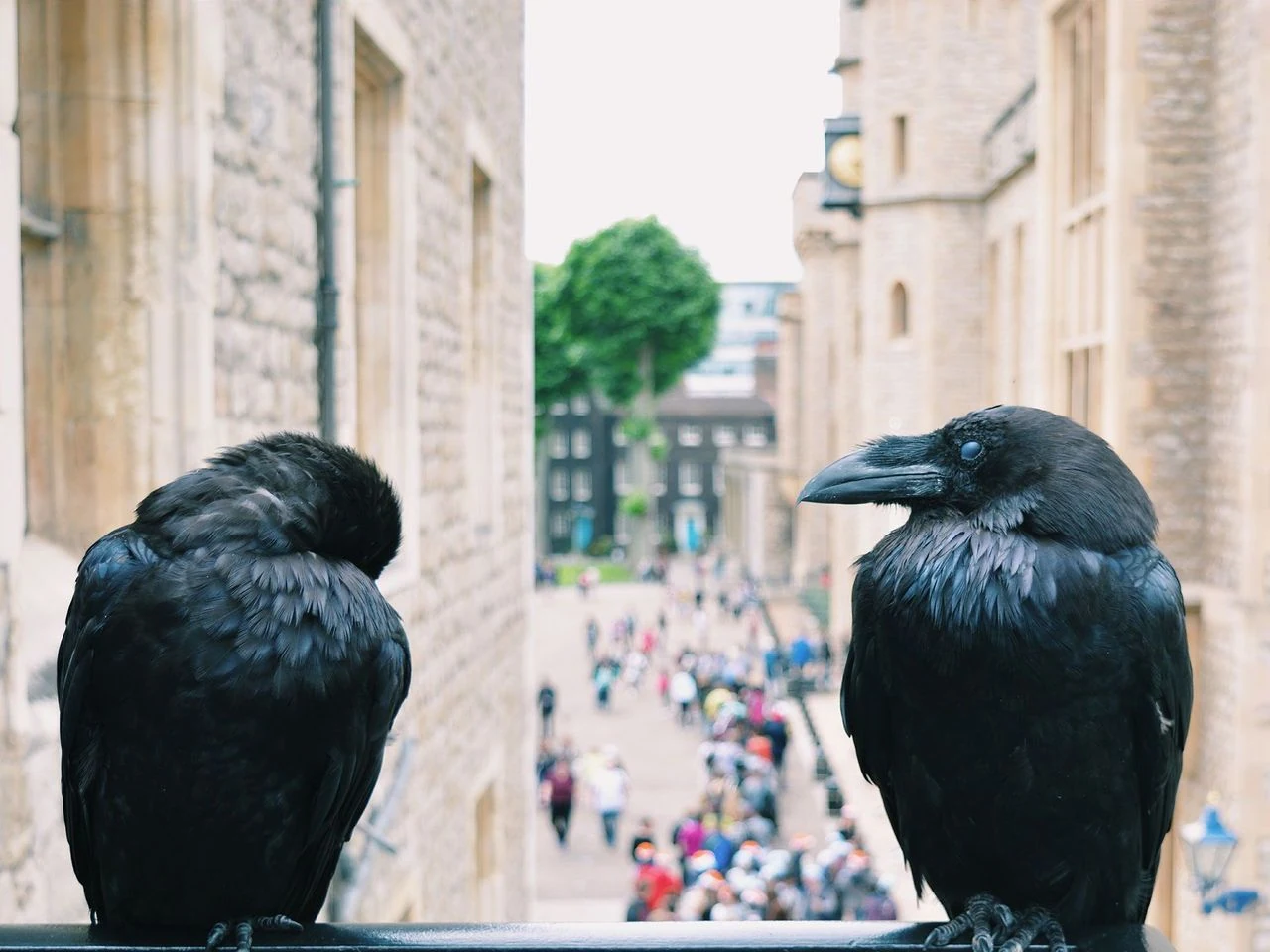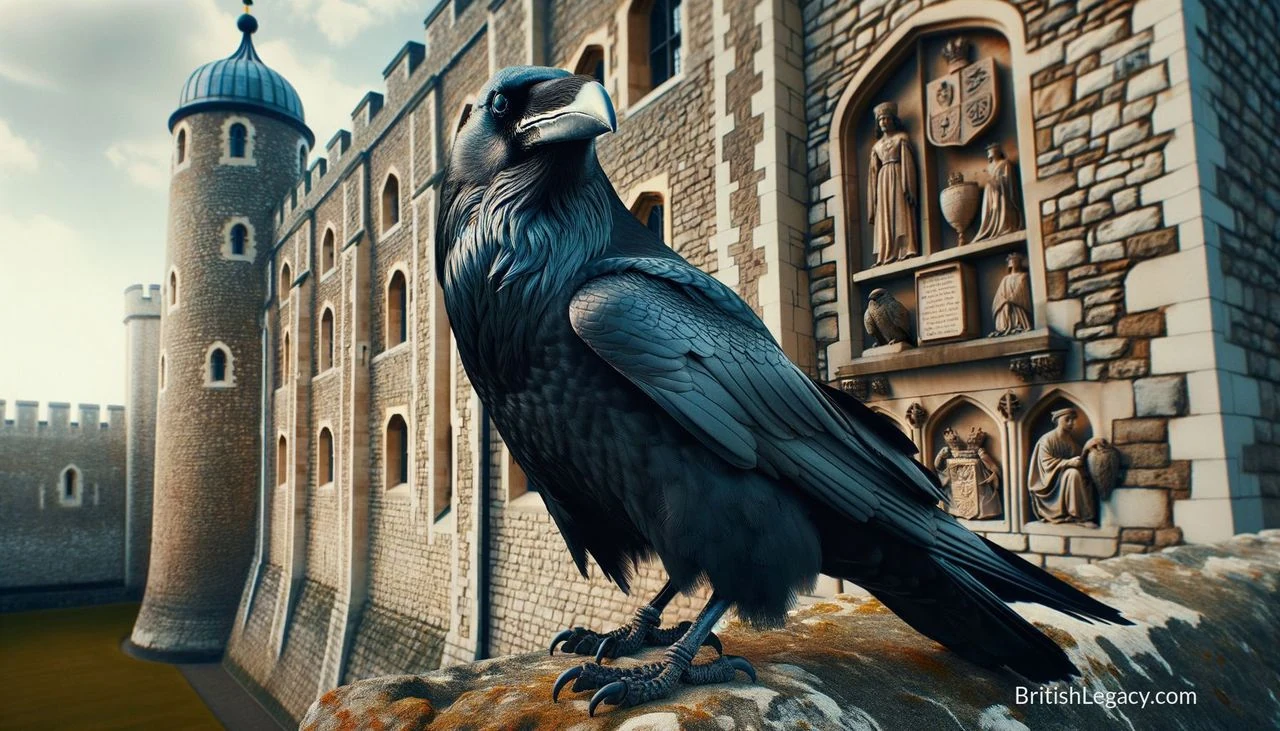
At the Tower of London, ravens are more than striking birds in a historic setting. Their presence is bound to a familiar legend: that the kingdom will fall if they leave. The story gives them a distinctive place in the Tower’s public identity, joining folklore and royal tradition with the everyday care of birds living within the fortress.
A legend rooted in the Tower
The best-known version of the tale associates the tradition with King Charles II. In this account, astronomer John Flamsteed complained that ravens were interfering with his observations, and the king ordered that at least six be kept at the Tower. The birds’ continued presence was linked to the safety of the kingdom. That is the substance of a legend, not a claim that ravens literally guard the realm.
The Tower has served as a royal palace, prison, place of execution, armoury, treasury and zoo. Its varied history gives the raven tradition a setting in which stories of monarchy, confinement and power readily accumulate. The birds are associated in popular accounts with events from Anne Boleyn’s imprisonment to the Blitz, but that association does not establish what particular ravens saw or experienced.
Life among the ravens
The Tower’s ravens are cared for by Yeoman Warders, also known as Beefeaters. Their routine, as described in the article, includes a diet of raw meat and blood-soaked biscuits. Each bird is given a name and an identification ring for official records. These details bring the tradition down to the practical level: the ravens are not just symbols in a story, but animals living under human care at a historic site.
The article states that at least seven ravens are kept at the Tower: six to meet the traditional requirement, with an additional bird. It also describes them as intelligent, playful and sometimes mischievous. Naming and identifying individual birds makes the custom visible to visitors, while their behaviour gives the resident ravens a presence beyond the legend.
Folklore and public memory
For visitors, the ravens offer a memorable encounter with one of the Tower’s best-known traditions. Their presence links a story told about the kingdom’s fate with a landmark that has served many different purposes. The birds have consequently become part of how the Tower is presented and remembered: as living emblems of a tradition associated with the monarchy and the historic fortress.
The article also connects the ravens with conservation, biodiversity and animal-welfare discussions, but does not establish those broader effects. The more specific story is compelling without them: a legend has helped give the birds a recognised place in the Tower’s public character, while their day-to-day care remains part of their life there.
Why The Tower of London Ravens deserves a place in British Legacy
The Tower ravens deserve a place in British Legacy because their story shows how folklore can become inseparable from a historic British landmark. The belief that the kingdom will fall if the birds leave gives visitors a striking point of connection with the Tower’s royal past. The legend need not be taken as literal history to matter: it is part of the way the site’s past is narrated and remembered.
The tradition also has a tangible present. The ravens are kept at the Tower, cared for by Yeoman Warders, named and identified as individuals. That combination of symbolism and practical stewardship gives the story substance beyond a tale about the fate of the realm. Their place in British heritage rests on the enduring relationship between the birds, the Tower and a legend that continues to shape the landmark’s public identity.