Above the English Channel, the White Cliffs of Dover form one of Kent’s most recognisable stretches of coast. Their pale chalk face is a striking feature of the landscape; the grassland above it supports wildlife; and, in popular memory, the cliffs have become an image of home. Their natural character and cultural associations belong to the same place, but each tells a different part of its story.
A changing chalk coastline
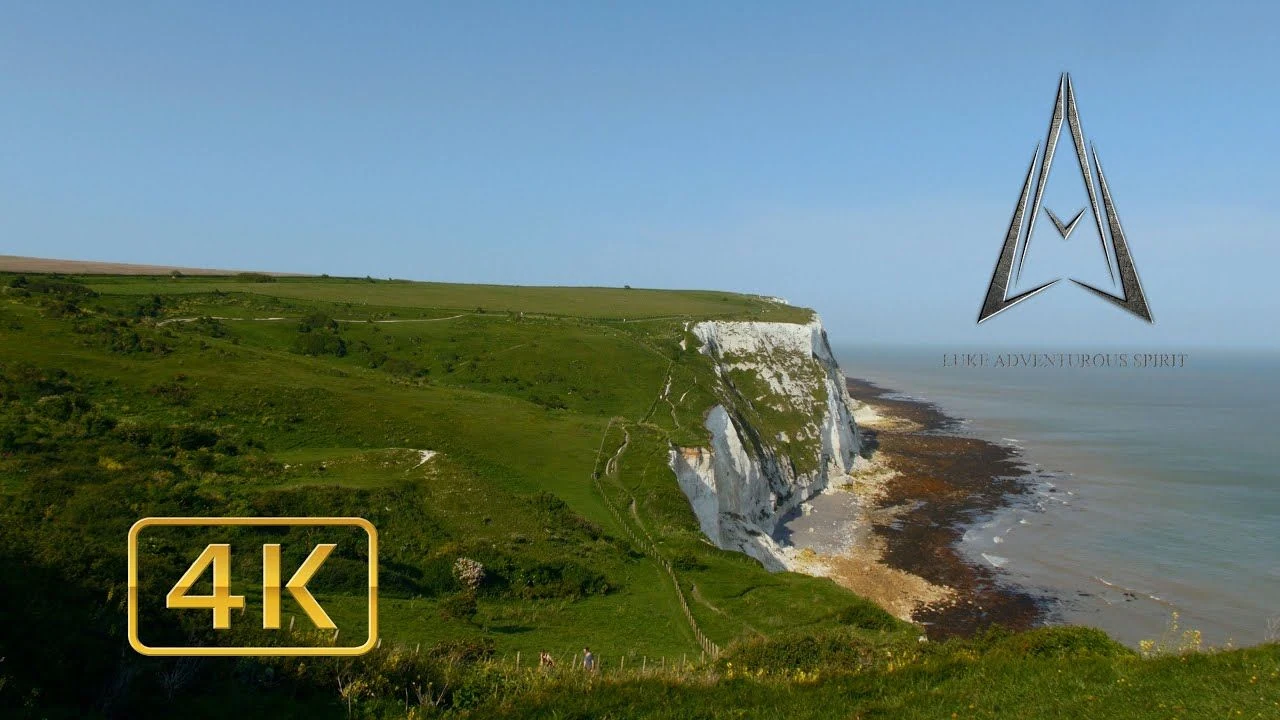
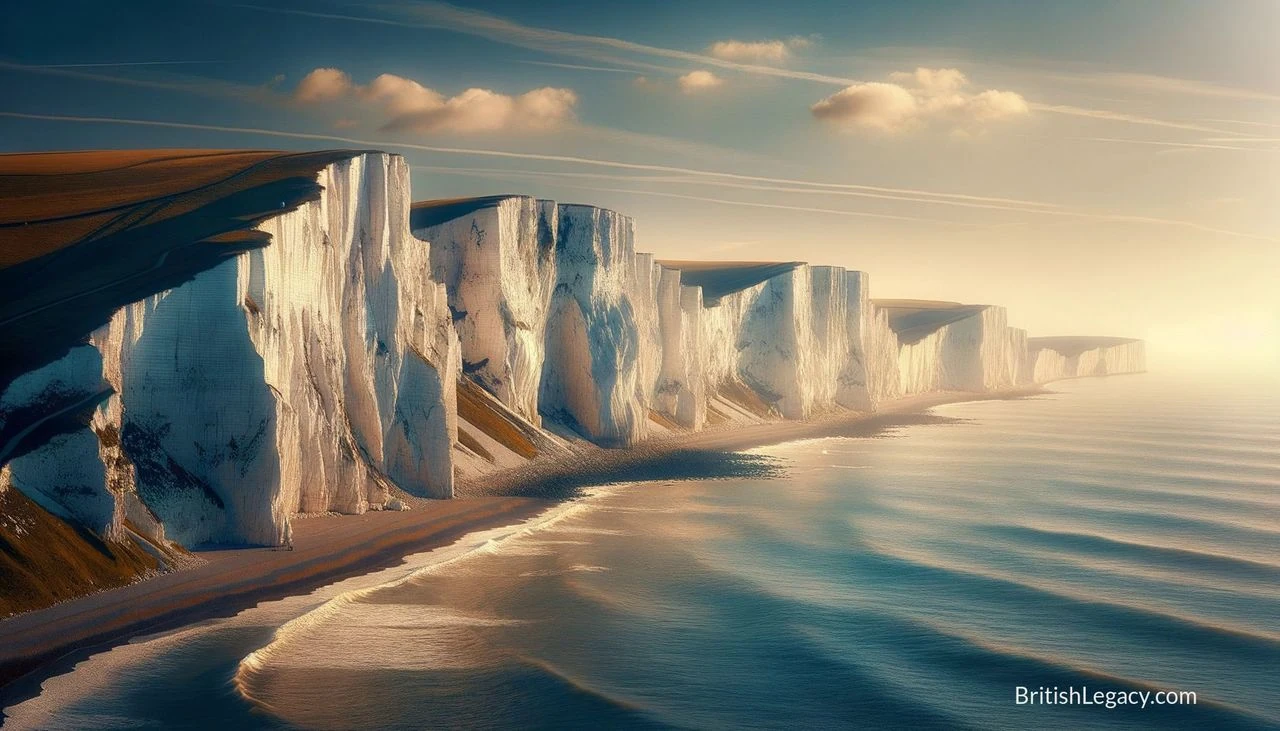
The cliffs extend for about eight miles along the Kent coast and reach heights of up to 350 feet. Their chalk formed over millions of years from the remains of microscopic plankton. Against the English Channel, the light-coloured rock gives the coastline its distinctive appearance.
Above the cliffs, chalk grassland provides habitat for wildflowers and butterflies. The National Trust manages much of the landscape and works to conserve its wildlife. That work is part of the cliffs’ present-day significance: the site is not only a familiar view from land or sea, but also a natural environment whose habitats require care.
An image of home
For travellers approaching or leaving the English coast, the cliffs have been associated with arrival and departure. During the Second World War, they came to represent home and security. Dame Vera Lynn’s song “The White Cliffs of Dover” gave enduring expression to that association, helping turn a specific coastal landmark into a widely recognised cultural image.
That symbolic meaning should not obscure the physical place. The cliffs are a real coastline, rather than an unchanging emblem, and their significance includes both their geography and the meanings people have attached to them. Their outline and name continue to evoke home, while the wartime song remains a distinctive part of their cultural history.
Landscape in art and public life
The cliffs have inspired writers and artists and feature in accounts of Britain’s cultural heritage. The original article links them with Shakespeare’s King Lear, as well as later novels and films, but provides no detail to establish those particular appearances. The broader connection between the landscape and artistic inspiration remains part of the way the cliffs are described and remembered.
People can encounter the cliffs from above or from the sea, and the view changes with the vantage point. Their reputation as a visitor destination rests on the combination of coastal scenery and cultural recognition. The claim that millions visit each year is not repeated here: no figure or supporting detail was provided to substantiate it.
Why The White Cliffs of Dover deserve a place in British Legacy
The White Cliffs of Dover deserve a place in British Legacy because they bring together a particular landscape and a powerful cultural association. Their chalk face and clifftop grassland are features of the Kent coast, while their wartime meaning connects them with ideas of home and security. Dame Vera Lynn’s song is central to that connection: it helped make the cliffs an image familiar beyond the coastline itself. Their legacy is therefore not simply a matter of scenery, but of the ways a real place can carry memory and meaning.
Their natural heritage matters alongside that cultural history. Chalk grassland supports wildflowers and butterflies, and the National Trust’s conservation work reflects the importance of caring for the landscape as well as appreciating its views. The cliffs remain both a recognisable landmark and a habitat. Together, their geography, wildlife and place in wartime popular memory give them a specific connection to Britain’s heritage, without requiring claims that they have always meant the same thing to everyone or that they alone safeguarded the country.