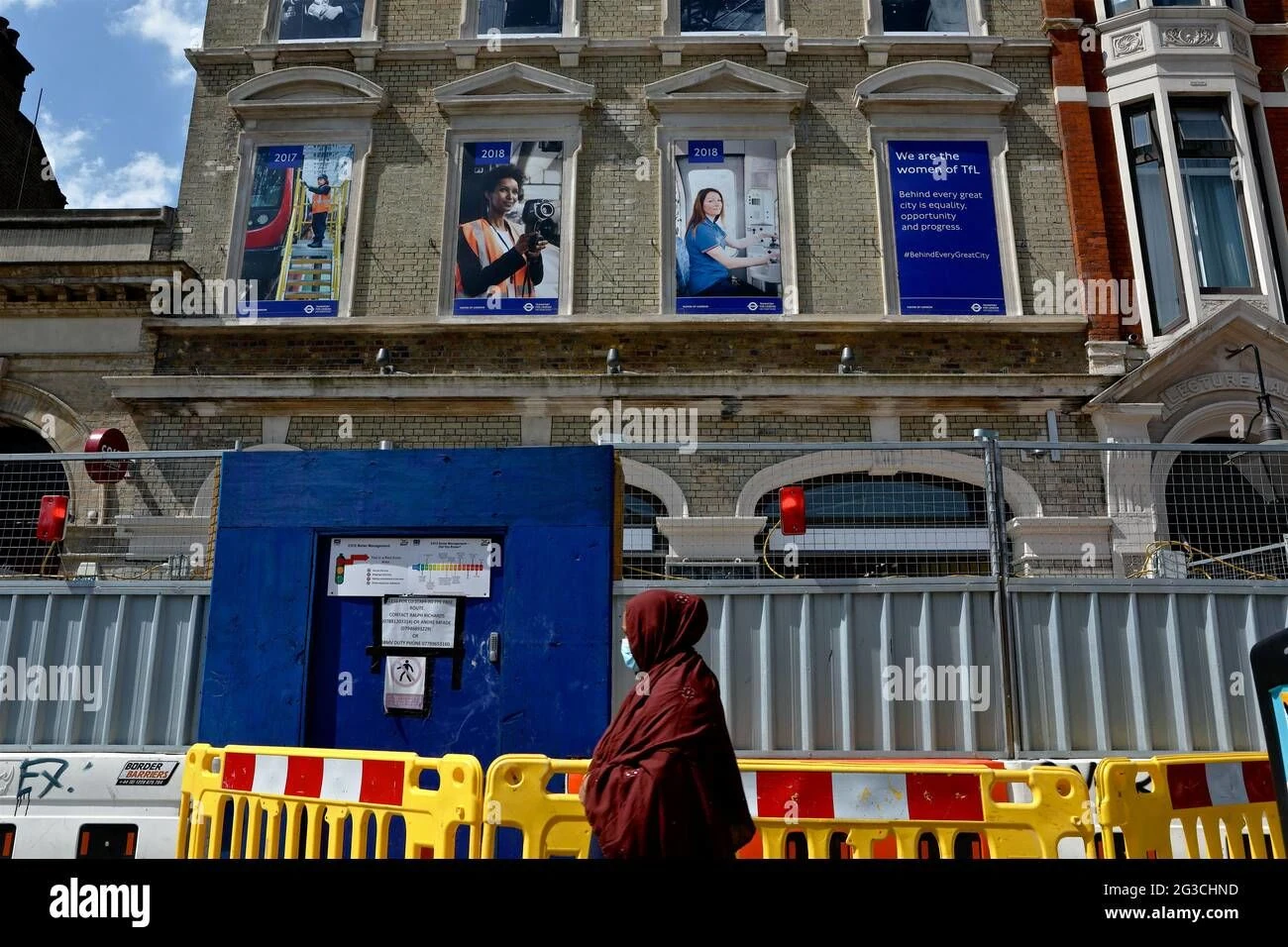
The Whitechapel Crossrail Station: A Beacon of Transportation Evolution in East London
In the annals of British history, few endeavours have showcased the same blend of ambition, innovation, and public service as the Crossrail project. Central to this transformative undertaking is the Whitechapel Crossrail Station, a pivotal node that not only enhances transportation and accessibility in East London but also plays a crucial role in the wider narrative of London's dynamic growth and evolution.
A Historical Context: The Birth of Crossrail
Unveiled in 2009, the Crossrail project, now known as the Elizabeth Line, has been one of the most ambitious infrastructure projects ever undertaken in the United Kingdom. Spanning over 100 kilometres, from Reading and Heathrow in the west to Shenfield and Abbey Wood in the east, this extensive rail network revolutionises travel across the capital. At the heart of this network lies the Whitechapel Station, a site steeped in historical significance and future promise.
Whitechapel Station: A Living Historical Landmark
Whitechapel, long known for its rich cultural tapestry and historical significance, boasts a history that dates back to the Roman times. By the Victorian era, it had become a bustling hub famous for its market, vibrant community, and diverse population. Whitechapel is famously known for its darker history with the mystery of Jack the Ripper, yet it unfailingly thrived as a focal point of growth and change.
Whitechapel Station first opened its doors in 1876, and over the decades, it has evolved, reflecting the broader socio-economic trends of its surrounding area. The integration of the Crossrail project honours this rich legacy while simultaneously propelling it into a new era of sophistication and utility.
A Testament to Modern Engineering
The reimagined Whitechapel Station, set to serve millions of passengers annually, is a marvel of modern design and engineering. The station's renovation and expansion were challenging yet masterfully executed, incorporating advanced construction techniques to create a seamless blend of old and new. Its contemporary design features clean lines, extensive natural light, and thoughtfully integrated green spaces, which together create a welcoming environment for commuters and visitors alike.
One of the most admirable aspects of this project was its respect for the community and the historical fabric of Whitechapel. For instance, the restoration of the historic station buildings paid homage to Victorian architecture while integrating state-of-the-art facilities beneath its surface.
Enhancing Accessibility and Connectivity
At its core, the Whitechapel Crossrail Station is a testament to enhanced accessibility and connectivity. By providing faster and more reliable transport options, it significantly reduces commuting times for residents of East London and beyond. This transformative impact does not merely benefit daily commuters; it also invigorates local businesses, fosters tourism, and facilitates economic development in one of London’s most vibrant districts.
Crucially, the station achieves unparalleled connectivity. It links seamlessly with the existing London Underground network on the District and Hammersmith & City lines and the London Overground, creating a transport hub that is unrivalled in its efficiency and reach.
Community Transformations and Beyond
The improved accessibility brought by the Whitechapel Crossrail Station promises to be a catalyst for wider community transformation. By reducing travel barriers, it injects new life into the local economy, drawing visitors and new residents alike to experience the unique blend of heritage and contemporary culture that Whitechapel offers.
Furthermore, the construction phase of the Crossrail project generated numerous job opportunities, bolstering local employment rates and instilling a sense of communal pride. This station symbolises not only a logistical achievement but also a beacon of positive social impact.
Global Impact and the British Legacy
The Whitechapel Crossrail Station, while a local marvel, also casts a far-reaching shadow on the global stage. It serves as an exemplar of British engineering prowess, civic planning, and sustainable development. This project underscores Britain's ability to marry historical preservation with progressive infrastructure, a hallmark of the British legacy.
Its contribution to East London's connectivity positions London as a global city capable of meeting the demands of the 21st century while cherishing its rich heritage. The Whitechapel Crossrail Station, therefore, stands as a testament to the enduring British values of innovation, community, and respect for history.
In conclusion, the Whitechapel Crossrail Station is more than a transit point; it is a symbol of the great British legacy. It embodies the spirit of progress and the importance of accessibility, fostering a thriving, connected, and prosperous East London. This station not only honours the legacy of Whitechapel’s storied past but also paves the way for an exciting, accessible future, cementing its place as a cornerstone of British heritage and global impact.