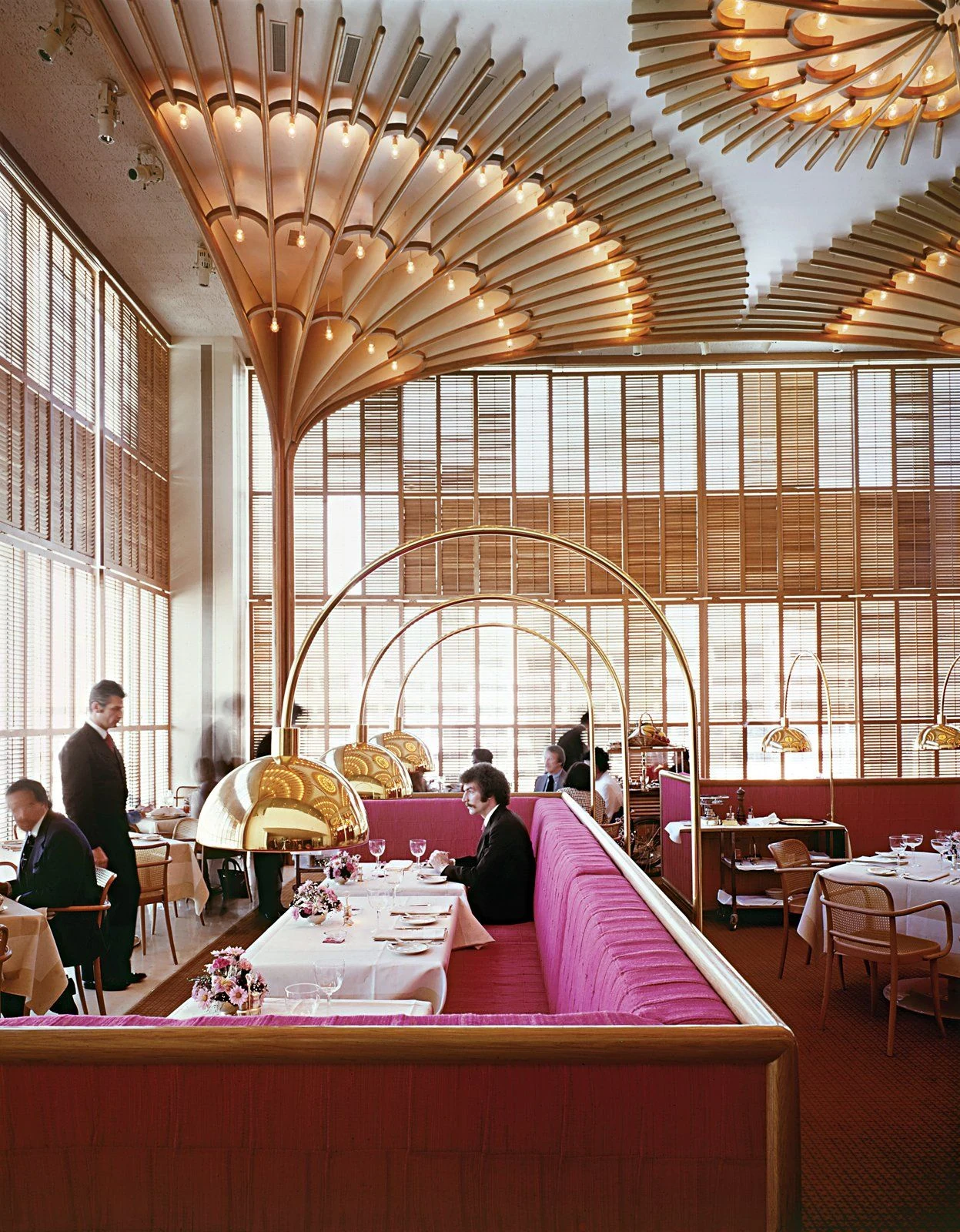
Warren Platner: A Figure of Design Brilliance in British Legacy
Imagine a world without the iconic structures and styles that define our visual and physical experiences. While the sphere of architecture and furniture design often features a host of names from different corners of the globe, one cannot overlook the remarkable contributions of Warren Platner. Though American by birth, Platner's collaboration on the design of Leeds Civic Hall combined with his excellence in modernist furniture design has etched his name into the annals of British heritage. His influence, tangible and aesthetic, reverberates through corridors and living rooms alike, making Warren Platner a notable figure in the rich tapestry of British legacy.
The Leeds Civic Hall Collaboration
Leeds Civic Hall stands as a testament to both modernity and tradition, a structure that epitomises the harmonious coexistence of function and form. Warren Platner's collaboration on this iconic building, located in the bustling city of Leeds, marked a significant chapter in British architectural history.
In the late 20th century, the design world was swept off its feet by Platner's vision. His involvement in the design of Leeds Civic Hall showcased a blend of contemporary design elements with traditional British architectural aesthetics. This public building, which serves as the seat of the Leeds City Council, is noted for its distinctive twin gilded owls – a symbol of the city – that watch over its entrance from atop the grand Corinthian columns. Platner’s partnership on this project brought a modernist touch to the fore, blending ornamental grandeur with utilitarian prowess.
Leeds Civic Hall emerged as more than just a building; it became a cornerstone of civic pride and architectural innovation. The hall reflects Platner’s meticulous attention to detail and his ability to create spaces that are as beautiful as they are functional. The civic hall is a hub of activity, hosting ceremonies, meetings, and events that bring the community together. By enriching this important public space, Platner has left an indelible mark on the city of Leeds and contributed to the narrative of British civic architecture.
The Modernist Maestro of Furniture Design
While Platner's contributions to architecture are noteworthy, his influence on furniture design is equally, if not more, significant. His modernist creations are celebrated globally for their innovative uses of materials and captivating forms. The Platner Collection, designed in 1966, remains an epitome of elegance and modernism; these pieces are as fresh and relevant today as they were upon inception.
The collection includes chairs, tables, and ottomans, each characterised by their signature wire frame. The steel rods, meticulously crafted into graceful, curved shapes, epitomise the sophisticated aesthetic of the mid-20th century. These designs are often considered works of art in their own right and have found homes in private residences, reception areas, and executive offices around the world.
The influence of Platner’s work on British design sensibilities is profound. His pieces seamlessly blend form and function, embodying a truth that is central to modernist philosophy: beauty is not compromised by practicality. This ethos has informed subsequent generations of British designers, contributing to the country’s reputation for producing world-leading innovative furniture design.
A Legacy That Transcends Borders
Warren Platner’s influence extends far beyond his lifetime and geographical origin. His work, etched into British infrastructure and aesthetics, contributes a vital chapter to the broader narrative of British heritage. The fusion of his American modernist sensibilities with traditional British elements has resulted in a legacy of design that champions elegance, functionality, and community – core values that resonate deeply within British culture.
By participating in the creation of iconic structures like Leeds Civic Hall and designing furniture that has graced countless British homes and offices, Platner has solidified his place in the pantheon of figures who have shaped the British legacy. His designs continue to inspire, illustrating the universal appeal and everlasting impact of innovative design.
In conclusion, Warren Platner’s contributions to British architecture and furniture design are timeless, reflecting a blend of ingenuity, aesthetic pleasure, and practical application. His work has enriched the British landscape, both physically and culturally, ensuring that his legacy remains an integral part of the rich British heritage.