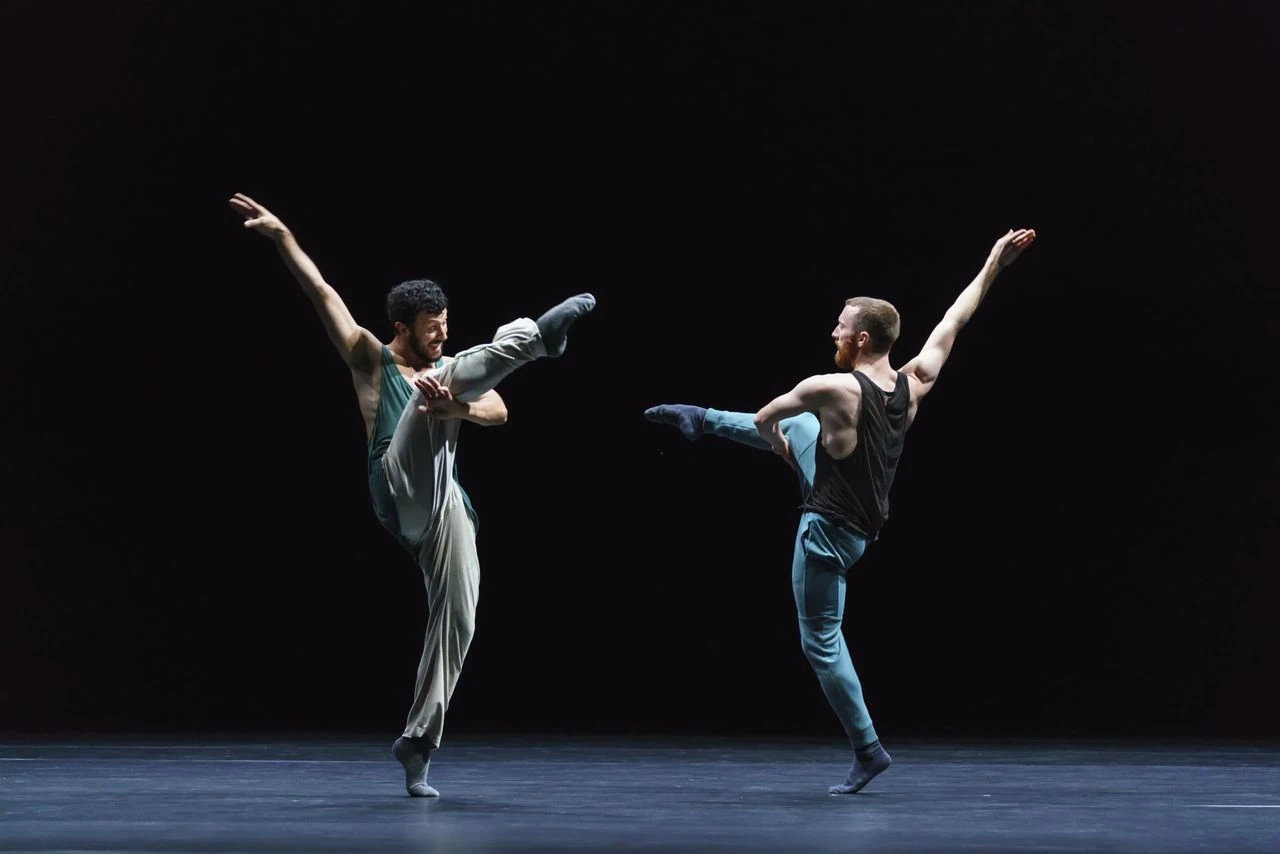
William Forsythe: Redefining British Dance with Innovation and Abstraction
In the bustling world of choreography and contemporary dance, few figures have left as indelible a mark as William Forsythe. Although American-born, Forsythe's influence reverberates through the British dance scene, transforming the landscape of modern performance and enriching the legacy of British cultural heritage. His avant-garde approach and abstract interpretations have become synonymous with an era of innovation that continues to shape and inspire the dance community within the United Kingdom and beyond.
A Visionary Arrival
William Forsythe's connection with British dance most notably began in 1976 when he joined the Stuttgart Ballet in Germany, and later the Ballet Frankfurt, but it was his regular visits and collaborations with British institutions that brought his revolutionary ideas to the Isles. His approach to questioning the traditional boundaries of ballet and integrating improvisation with classical technique found fertile ground in Britain, a country with a rich yet adaptable dance tradition.
Innovation in Abstraction
Forsythe's work is characterized by its commitment to innovation and abstraction, challenging both the artists who perform it and the audiences who experience it. He reframes the traditional narratives of ballet into something both intellectually stimulating and viscerally emotional. Works such as "In the Middle, Somewhat Elevated", although initially commissioned for the Paris Opera Ballet, found resounding acclaim in London when it was performed by The Royal Ballet. This piece, among others, showcased Forsythe’s keen ability to blend geometric precision with fluid expressiveness, pushing the dancers to explore new realms of movement.
Collaboration with British Institutions
Forsythe's collaborations with The Royal Ballet and Sadler's Wells set the stage for a new era in British dance. These prestigious platforms allowed his works to reach wider audiences, fostering an environment where experimental choreography could thrive. Forsythe’s frequent partnerships with these institutions underscored an important shift: British dance was not just preserving tradition but was daringly exploring contemporary vistas, inviting dialogue between old and new forms.
Pedagogical Influence
Beyond his choreographic contributions, Forsythe’s influence extends into the pedagogical domain. His methodology has been incorporated into the training programmes of many British dance schools and companies, injecting a fresh perspective into the education of young dancers. His installations and digital projects, such as the “Improvisation Technologies”, have provided invaluable tools for dancers and choreographers, reshaping the educational landscape.
Global Impact Rooted in British Grounds
Forsythe’s impact on British dance has had resounding effects on the global strategy of contemporary ballet. His abstract approach has not only revitalised British stages but has also set a precedent that choreographers and companies worldwide emulated. This ripple effect underscores the interconnectedness of the dance world and highlights Britain’s role as a beacon of cutting-edge artistic exploration.
Enduring Legacy
William Forsythe’s work continues to resonate, his legacy intertwined with the evolving narrative of British dance. In the annals of British cultural heritage, Forsythe’s name stands tall among those who dared to push boundaries. His abstract visions and pioneering methodologies have become a fundamental part of British dance history, a testament to the transformative power of artistic innovation.
In summary, William Forsythe's contributions to British dance have been nothing short of revolutionary. His innovative spirit and abstract artistry have not only redefined the performance landscape but have also enriched the broader spectrum of British cultural legacy. For those curious about the pillars of modern British heritage, Forsythe’s influence is an essential chapter, showcasing the unceasing evolution of art and its profound capacity to inspire and redefine.