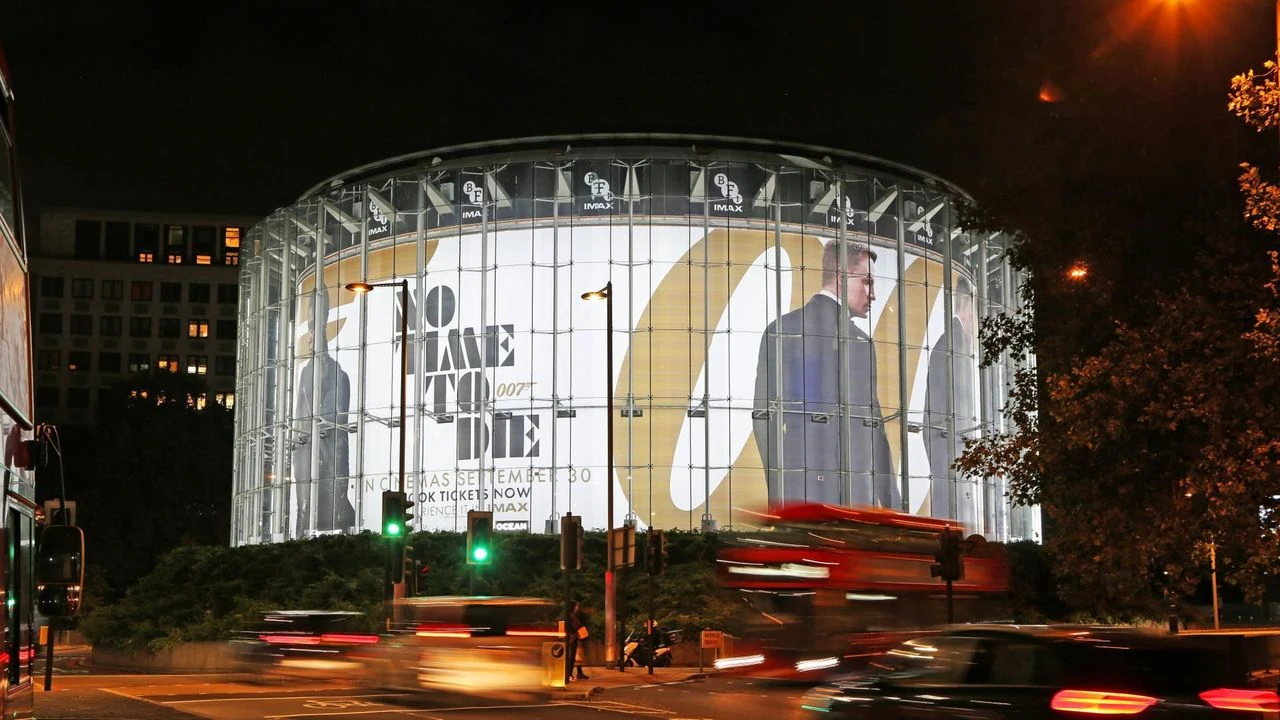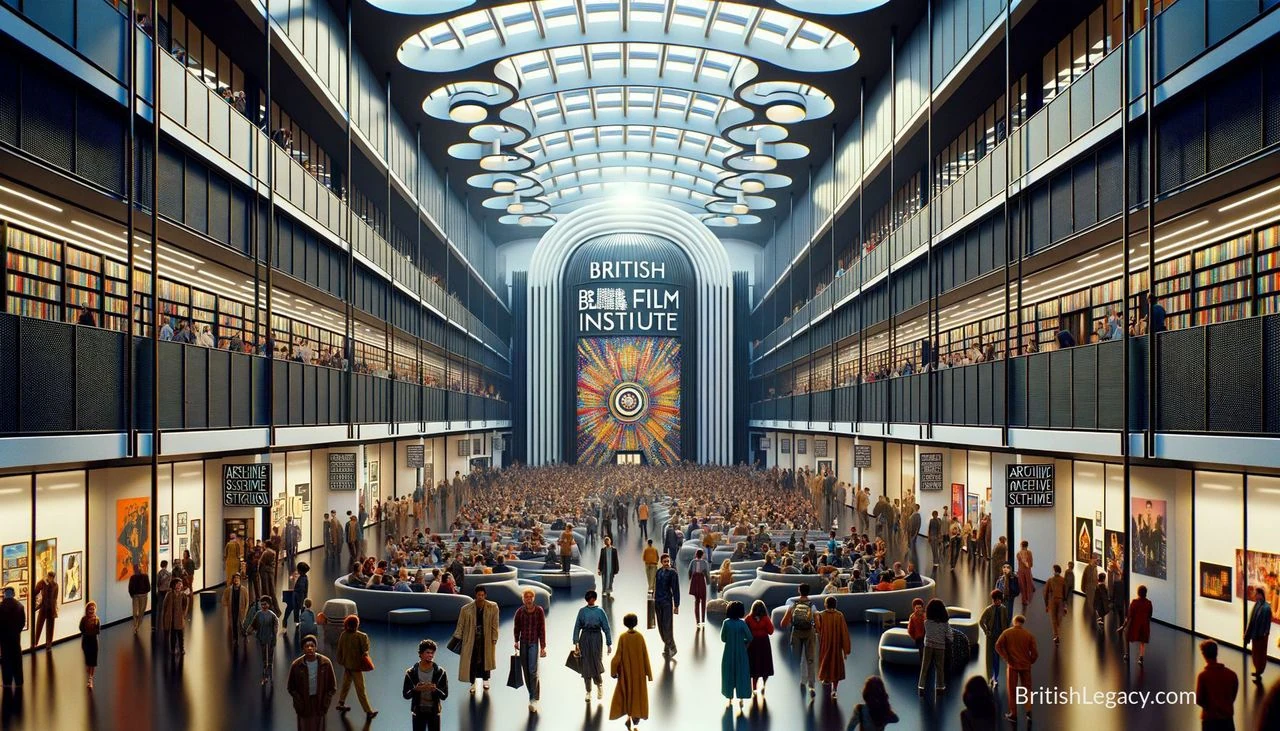
The British Film Institute (BFI) works on several fronts at once: preserving films and television programmes, making screen culture available to audiences, and supporting the people who create it. Established in 1933, it has become a prominent British institution for film and television, connecting the record of the past with public screenings, education and contemporary production.
Preserving a record of screen history
The BFI National Archive holds films, television programmes and associated materials, including scripts, posters and personal papers. Together, these collections document changing forms of screen culture, from silent cinema to more recent work. The archive’s significance lies not only in the quantity of material it preserves but in the possibility of returning that material to public view.
Preservation and restoration help fragile or ageing films remain accessible. That work can also bring attention to titles that have been neglected or forgotten. By caring for works across different periods, the BFI helps retain a record of how British film and television have developed, while giving audiences and researchers opportunities to encounter that history.
Funding, festivals and audiences
The BFI also supports filmmaking through initiatives including the BFI Film Fund, which backs a range of voices and talent in the UK film industry. Its work in this area sits alongside distribution and exhibition: British films can reach audiences through different channels, while the BFI’s own programme gives viewers opportunities to explore classic, cult and contemporary cinema.
BFI Player offers a selection of films online. In London, BFI Southbank presents screenings, retrospectives and special events, creating a regular setting for audiences to watch films together and revisit work in context. These activities give the institute a public role beyond its archive: it can preserve screen works and help people encounter them.
The BFI London Film Festival is an annual event in the institute’s calendar, bringing filmmakers, performers and audiences together around cinema. Festivals can provide a platform for new work as well as a setting in which established films are celebrated. The BFI’s combination of festival activity, year-round screenings and distribution gives its support for film a practical connection to audiences.
Education, research and international exchange
Education is another part of the BFI’s work. Its educational resources, workshops and events aim to encourage young people’s interest in filmmaking and deepen understanding of the medium. Research and publications add to that work by examining cinema and its place in society. In this way, the institute serves learners and readers as well as audiences and practitioners.
The BFI also collaborates with film archives and festivals internationally. Such exchanges connect its work with wider efforts to preserve and present cinema. The institute’s British focus is therefore not a matter of standing apart: its archive, public programme and support for UK filmmaking contribute to a film culture that also engages with international partners and audiences.
Why the British Film Institute deserves a place in British Legacy
The BFI deserves recognition because it brings together responsibilities that are often separated: caring for a national screen archive, presenting films to the public, supporting new filmmaking and encouraging education and research. Its archive protects a record of British film and television, while restoration and screenings help keep that record available rather than allowing it to remain unseen. Its festivals, BFI Southbank programme and online player offer different ways for audiences to encounter films.
That combination matters to British cultural life. Funding initiatives such as the BFI Film Fund support talent and voices within the UK industry; education and publications help people understand how films are made and what they say about society. International collaboration extends the reach of preservation and exchange without diminishing the institute’s work at home. The BFI’s legacy is therefore not a single building, festival or collection, but a continuing set of practical connections between filmmakers, audiences, students and the moving-image record.