Mamma Mia!: A Joyous Contribution to British Theatre's Legacy
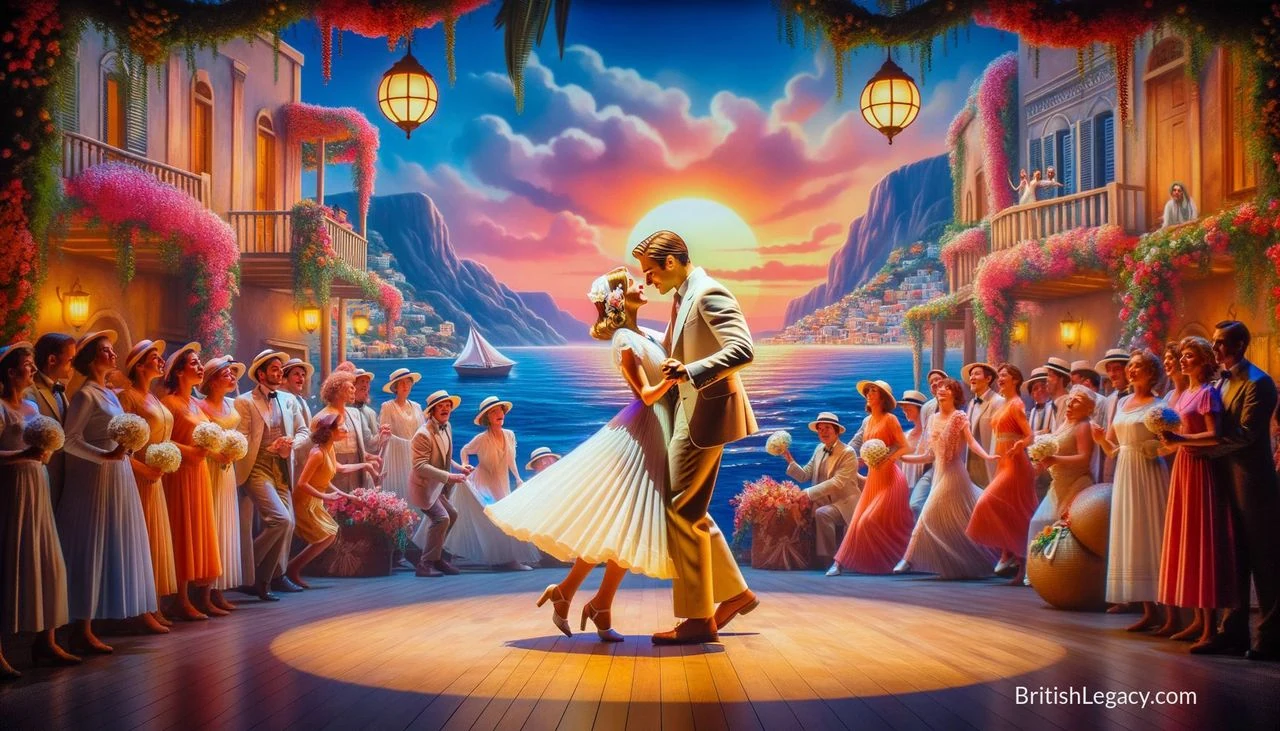
The stage comes alive; lights illuminate an iconic setting - a picturesque Greek island. As the strains of familiar ABBA songs begin to play, so begins the heart-warming and jubilant journey of "Mamma Mia!" - a jukebox musical that has etched its place firmly in the annals of British theatre.
The Creators and Opening Night
"Mamma Mia!" was brought to life by the brilliant minds of writer Catherine Johnson, who crafted the heartfelt and humorous book, and director Phyllida Lloyd, whose guidance ensured the musical's dynamic energy. The show features the timeless music and lyrics of Benny Andersson and Björn Ulvaeus of ABBA, with some additional material by Stig Anderson. The musical premiered in the West End at the Prince Edward Theatre on 6 April 1999, eventually making its home at the Novello Theatre. Since then, it has captured the hearts of millions, both locally and internationally, running for over two decades and counting.
The Plot: Stories, Laughter, and Songs on a Greek Island
"Mamma Mia!" is not only a vehicle for ABBA's greatest hits but also a narrative rich with themes of love, identity, and familial bonds. The story centres around Donna Sheridan, an independent hotelier in the Greek islands, and her twenty-year-old daughter, Sophie. Sophie, on the brink of her wedding, dreams of having her father walk her down the aisle, but there’s a snag: she doesn’t know who he is.
Sophie discovers her mother's old diary and finds entries describing intimate dates with three men—Sam Carmichael, Bill Austin, and Harry Bright—each of whom could be her father. Without her mother’s knowledge, Sophie invites all three to her wedding, hoping to discover which one is her father. The three men arrive, much to Donna's shock and amazement, and comedic and emotional chaos ensues as they try to unravel the secrets of the past amidst the preparations for the wedding.
The plot is seamlessly interwoven with classic ABBA songs such as "Dancing Queen," "Super Trouper," "The Winner Takes It All," "Take a Chance on Me," and of course, the titular “Mamma Mia.” These songs, beloved for their infectious melodies and poignant lyrics, enhance the emotional depth of the characters' journeys and the vibrant atmosphere of the setting.
Background and Production
Inspired by the storytelling potential of ABBA's music, Judy Craymer conceived the idea of “Mamma Mia!” in 1983. It took over a decade of dedication and collaboration to bring the vision to fruition. Not merely relying on the nostalgia and popularity of ABBA’s hits, the creative team ensured that the musical would stand on its own, crafting a narrative that would resonate universally through its exploration of family dynamics and the quest for identity.
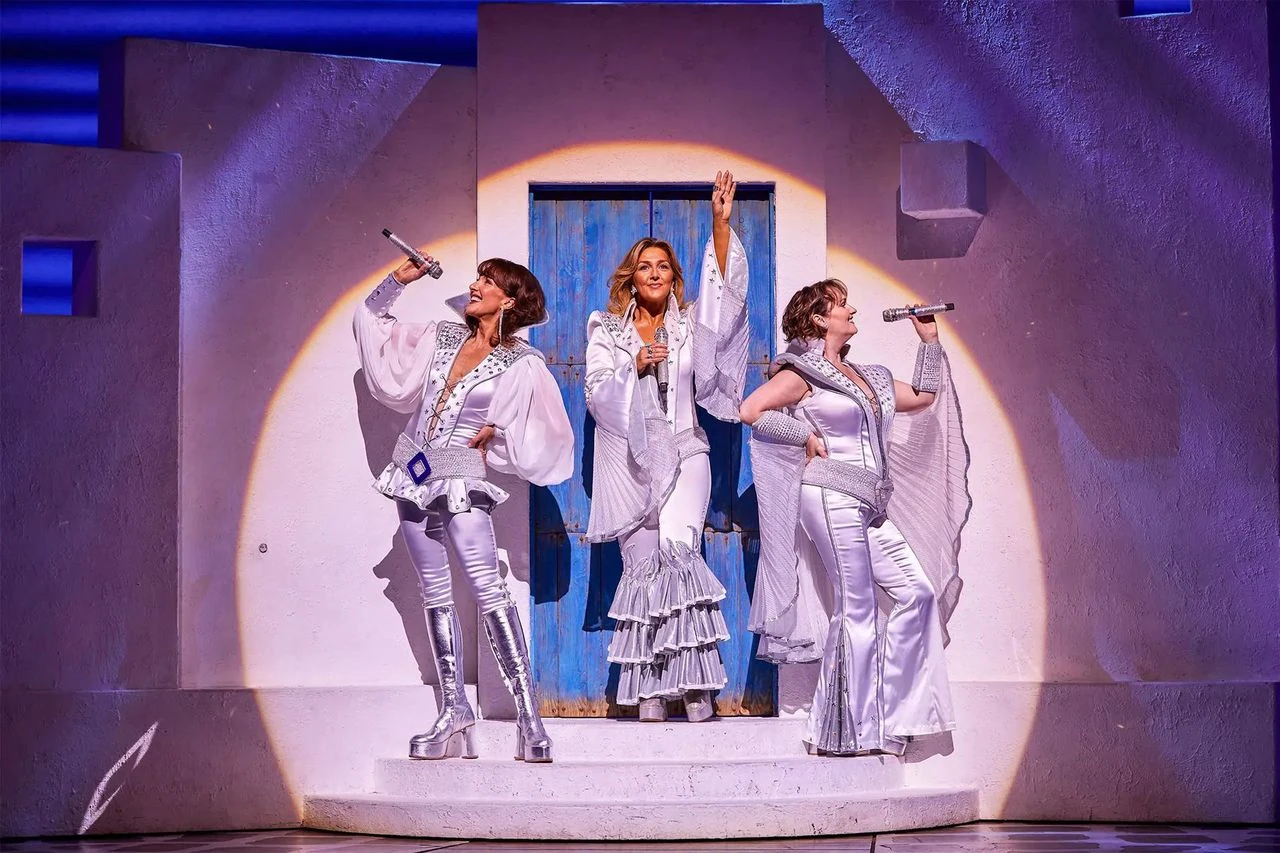
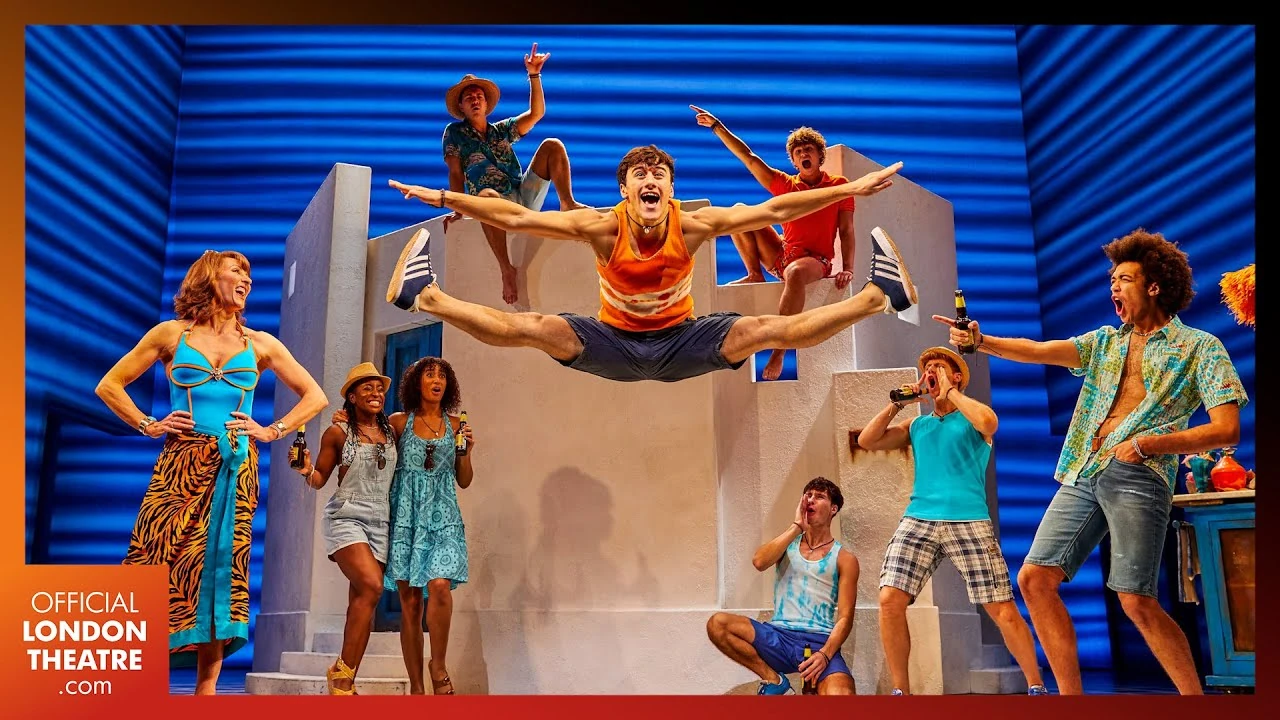
Phyllida Lloyd’s direction alongside Anthony Van Laast’s choreography brought a unique visual and rhythmic style to the musical, which was further complemented by Mark Thompson’s vibrant set and costume designs. The result was an immersive experience where the audience could not only witness the characters' stories but also feel the kinetic energy of the Greek island setting and the transformative power of love and music.
Contributions to British Theatre and Worldwide Impact
"Mamma Mia!" has undeniably left a significant imprint on British theatre and the global stage. It has become one of the longest-running shows in the history of the West End, a testament to its enduring appeal and the strength of its storytelling combined with ABBA’s music. The success of the musical has spurred international productions, with performances in over 40 countries and translations into multiple languages, demonstrating its universal charm.
The musical also played a pioneering role in the jukebox musical genre, inspiring future productions to explore the integration of popular music with theatrical storytelling. Its immense popularity led to the successful 2008 film adaptation starring Meryl Streep and Amanda Seyfried, further increasing its reach and solidifying its status in popular culture.
Legacy and Heritage
“Mamma Mia!” has contributed richly to the legacy of British theatre, highlighting the nation’s capacity to produce shows that not only entertain but also connect deeply with audiences on an emotional level. Its success underscores the ingenuity and creativity inherent in the British theatrical tradition, celebrating the spirit of music and storytelling.
In conclusion, “Mamma Mia!” is more than just a musical; it is an enduring phenomenon that celebrates love, life, and laughter set to the unforgettable sounds of ABBA. Its story about a mother and daughter, their past, and their future strikes a chord with audiences across the globe, ensuring its place as a cherished part of British dramatic heritage and its successful legacy in the theatre worldwide.